When a work van won't start on a January morning, the repair is only part of the cost. There's the job that gets pushed, the crew waiting around, and the customer who has to be called. Winter fleet maintenance done in November moves those problems to a day you pick, before cold weather picks one for you. Here's a practical pre-winter checklist for New Albany businesses that depend on their vehicles.
Why November is the right time
Cold weather rarely creates new problems. It exposes the weak ones. A battery that's been getting by, tires running a few pounds low, coolant past its prime, and wipers that streak all tend to show up during the first real cold snap, often on several vehicles in the same week.
Getting ahead of it now gives you two advantages:
- You control the schedule. Stagger inspections so you never have too many vehicles off the road at once.
- You find problems while they're small. A weak battery caught during an inspection is a quick replacement. The same battery failing at a job site is a tow and a lost day.
Your winter fleet maintenance checklist
Every fleet is different, but these are the systems that matter most heading into an Ohio winter:
| Item | What gets checked | Why it matters for uptime |
|---|---|---|
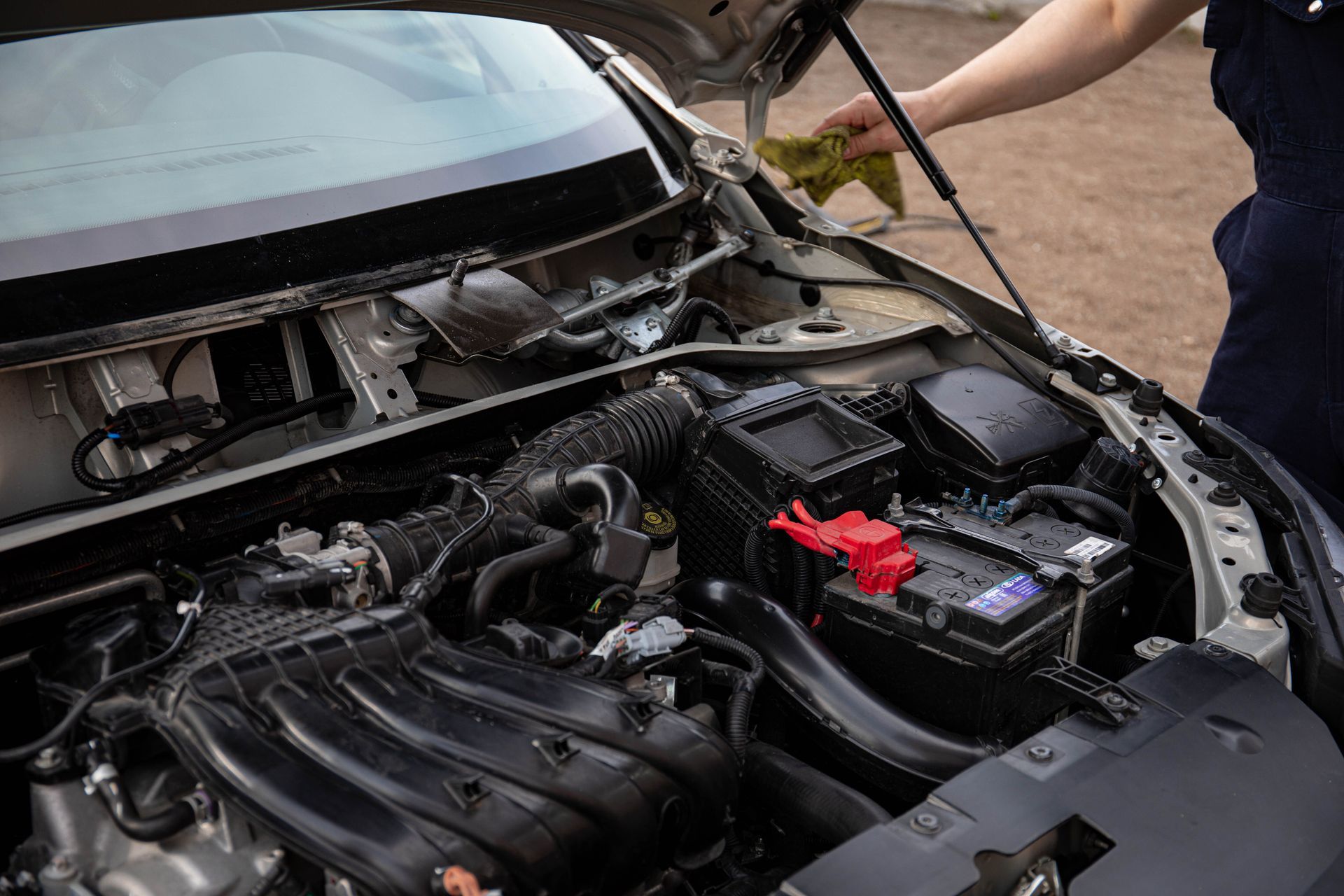
| Battery and charging | Battery test, cables and terminals, charging system output | Cold is hard on batteries, and a dead battery is the classic cold-morning way to lose a vehicle for the day |
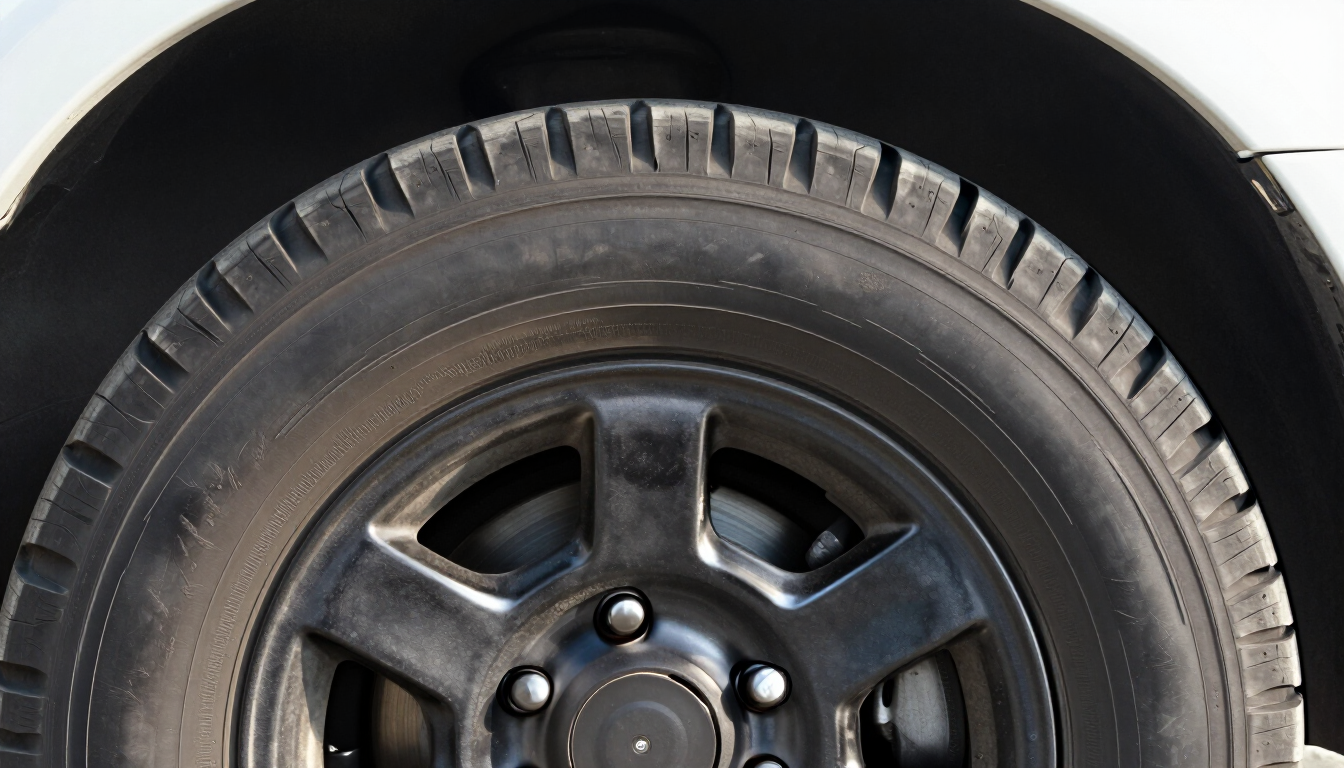
| Tires | Tread depth, pressure, sidewall condition, rotation | Pressure drops as temperatures fall, and loaded vehicles need good traction on wet and snowy roads |
| Cooling system | Freeze protection, hoses, leaks | Weak coolant risks freeze damage and poor cabin heat |
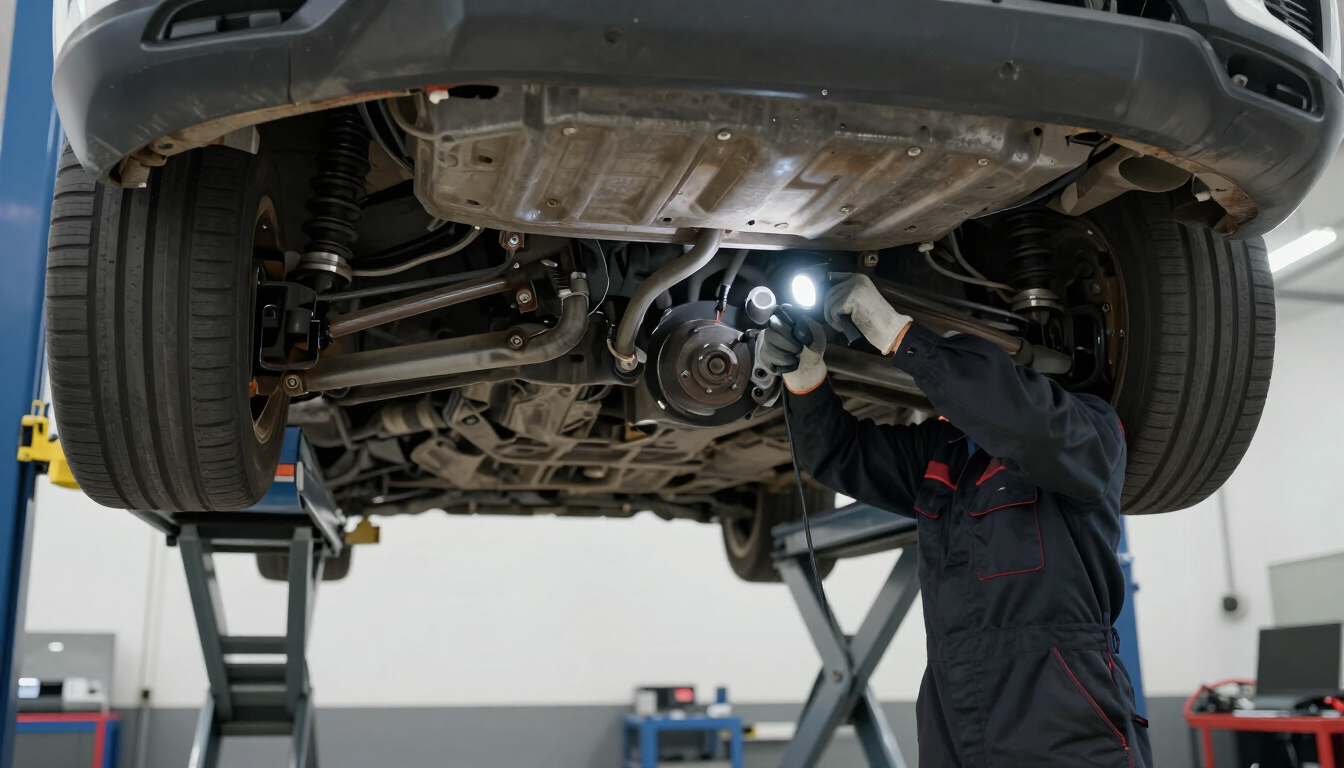
| Brakes | Pads, rotors, and brake lines | Road salt is hard on brake components, and stopping distance matters more on slick roads |
| Wipers, washer fluid, and lights | Blade condition, winter-rated fluid, every exterior light | Drivers need to see and be seen during short winter days |
| Heater and defroster | Heat output and windshield defrost | A windshield that won't clear keeps a vehicle parked |
| Oil and filters | Service due per each vehicle's maintenance schedule | Idling and short trips add wear even when mileage looks low |
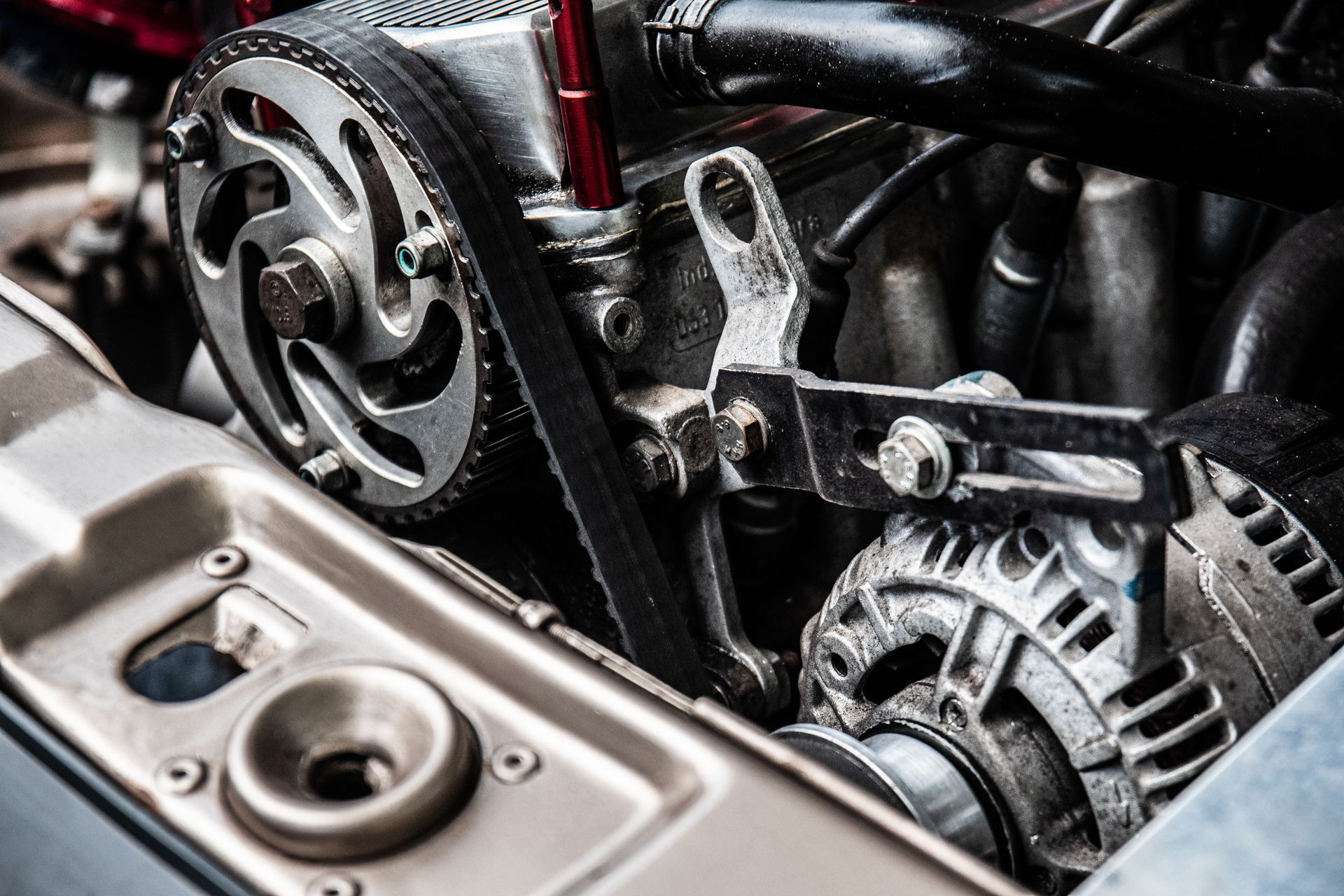
| Belts and hoses | Cracks, glazing, and soft spots | Rubber gets brittle in the cold and can fail without much warning |
Idling, short trips, and heavy loads change the schedule
Fleet vehicles rarely live the life a standard maintenance schedule assumes. A service truck that idles at job sites, a van making short stops all day, or a pickup hauling equipment works harder than the odometer suggests.
Many owner's manuals list a separate schedule for severe or heavy-duty use. If your vehicles see a lot of idling, short trips, towing, or heavy loads, that may be the schedule that applies. Your technician can help you sort out which schedule fits each vehicle based on how you actually use it.
Give your drivers a simple daily walk-around
Your drivers are the first line of defense. A quick walk-around before the first trip of the day catches a lot:
- Look at all four tires for anything that looks low or damaged
- Check that headlights, brake lights, and turn signals work
- Look under the vehicle for fresh drips where it was parked
- Make sure the wipers clear the windshield and washer fluid sprays
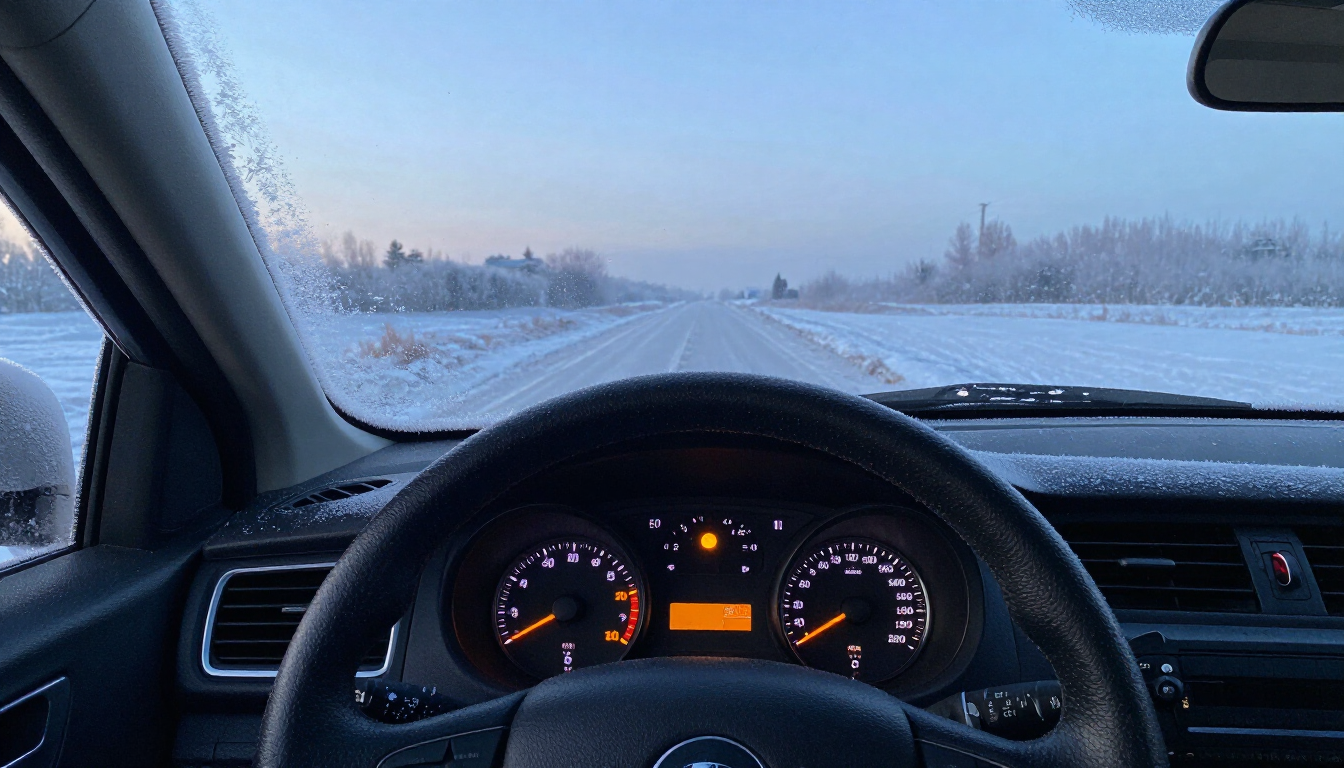
- Watch the dash at startup for any warning light that stays on
Just as important is a clear way to report problems. Make it easy for drivers to flag a new noise, a pull to one side, a soft brake pedal, or a warning light the same day they notice it.
Set one firm rule for every driver: if a red brake, oil pressure, or temperature warning light comes on, park the vehicle somewhere safe, shut it off, and call it in. Finishing the route isn't worth an engine or a crash. A yellow or amber light generally means get the vehicle checked soon, not ignore it.
How we support fleets
At Jeremiah's Automotive Service, we work with businesses running anything from a couple of work vans to a full fleet of trucks. Our fleet services include:
- Scheduled maintenance programs to keep vehicles running and limit downtime
- Fleet-wide diagnostics to catch problems before they become breakdowns
- Customized service plans built around your business and your budget
- Transparent pricing and detailed reporting so you can manage fleet expenses
- Pre-purchase inspections when you add vehicles
- Emergency service to get a broken-down vehicle back on the road
Our ASE-certified technicians work on all makes and models, and we back every service with a 24-month/24,000-mile NAPA warranty. You also get something harder to put on a list: one family-owned shop that knows your vehicles and keeps consistent records on every one of them. For more on the business case, read why fleet maintenance saves time and money.
When to bring your fleet in
The best time for a pre-winter round of inspections is now, before temperatures stay below freezing. Some vehicles shouldn't wait for their scheduled slot. Bring a vehicle in sooner if a driver reports:
- Slow cranking or a no-start, even once (see our battery and electrical service)
- Any warning light that stays on
- Squealing, grinding, or a brake pedal that feels different (see our brake repair service)
- Pulling to one side or new vibrations
- Weak heat or a windshield that won't clear
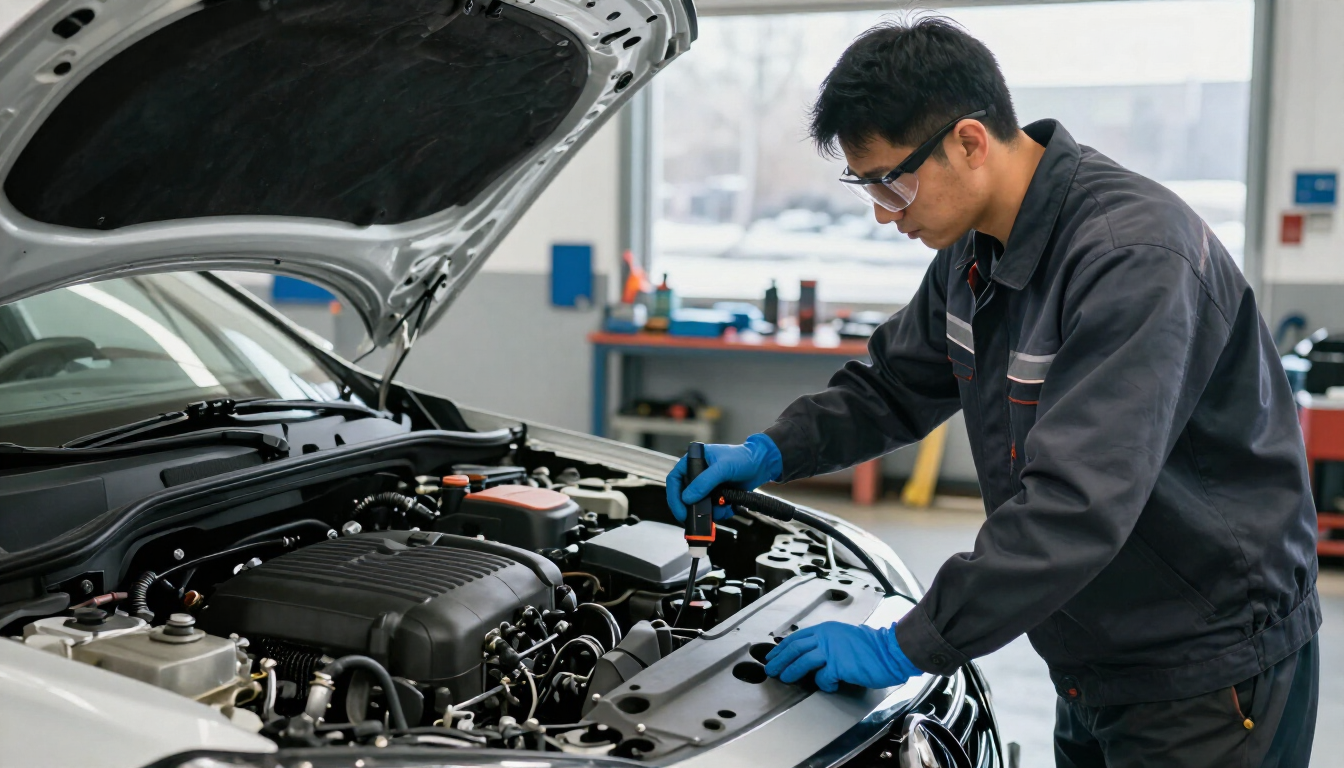
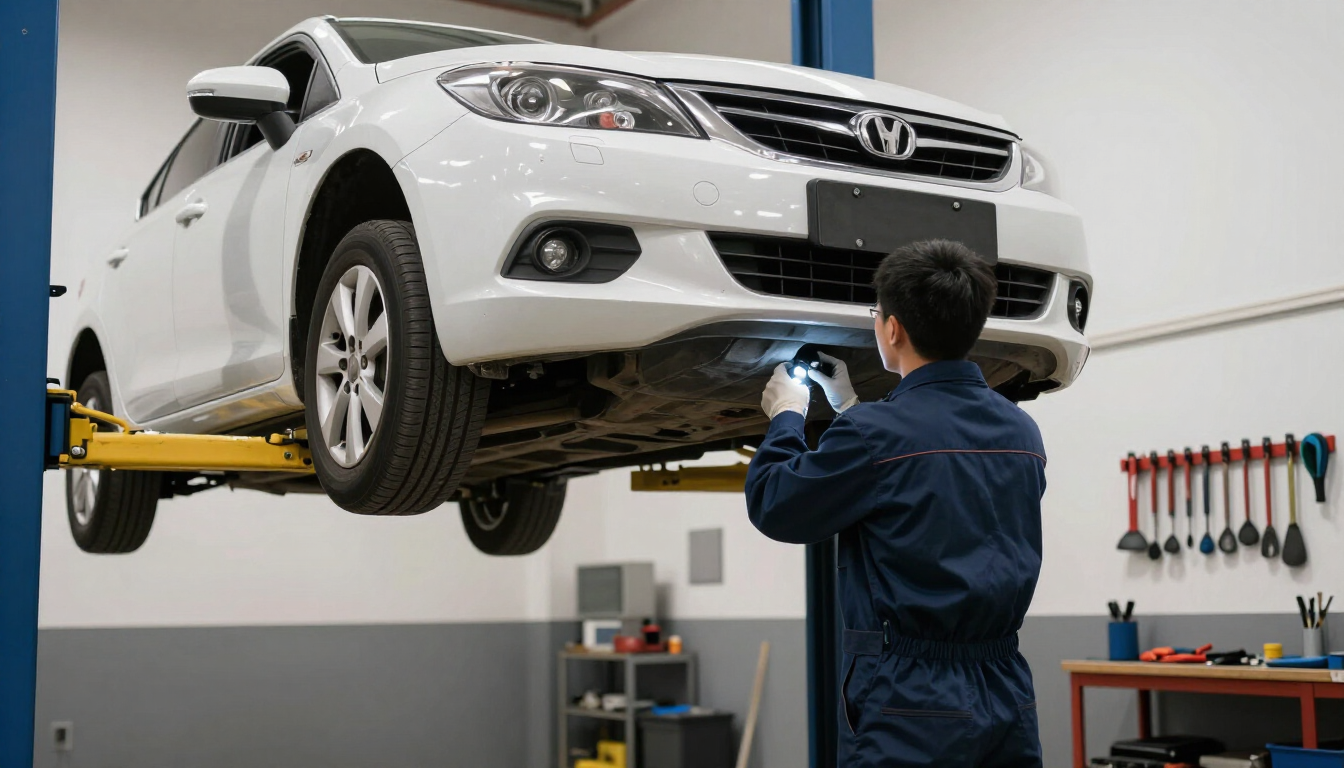
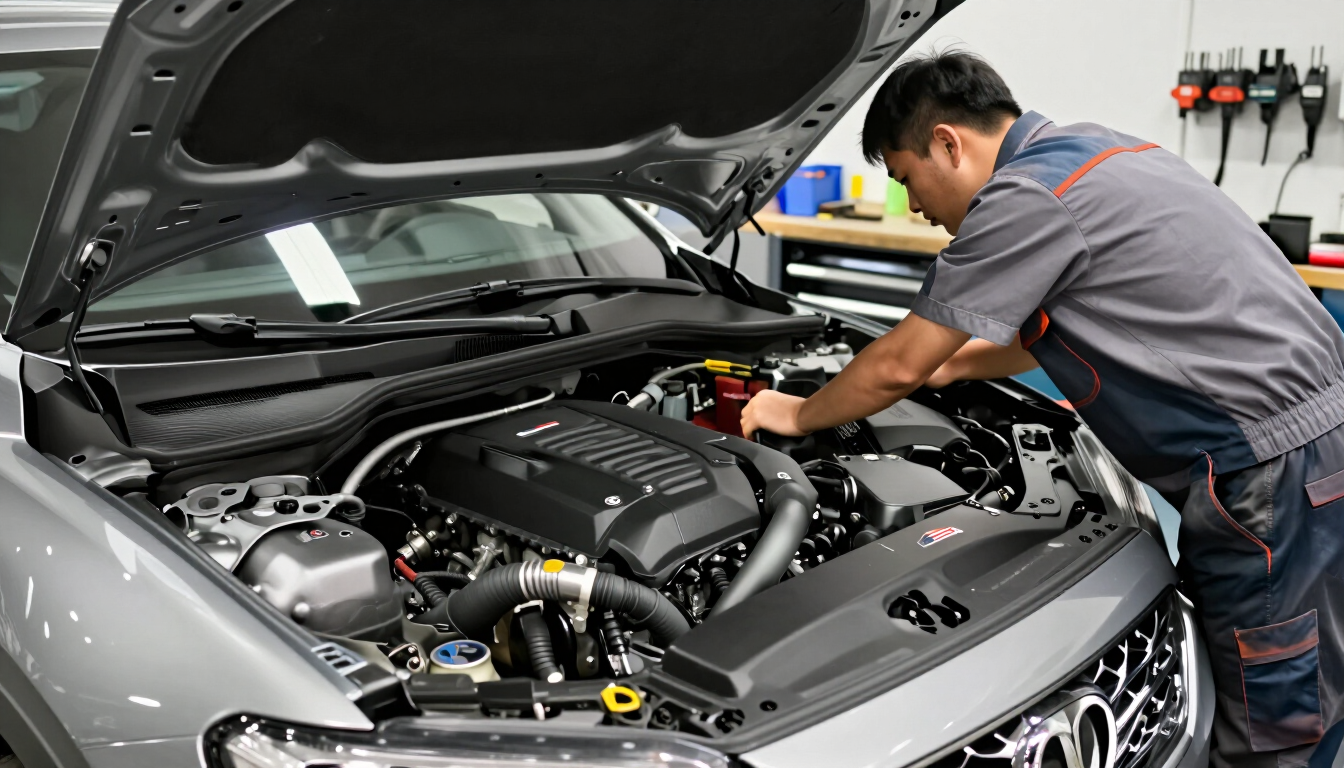
When a vehicle comes in, we'll inspect it, tell you what we found, and separate what needs attention now from what can wait for the next scheduled visit. That way you can plan around repairs instead of reacting to them.
Set up your pre-winter fleet schedule
Every vehicle you check now is one less surprise on a frozen morning. Call us to talk through a winter fleet maintenance plan for your New Albany business, or book your first vehicles online today while you still have room to choose the dates.