Between Thanksgiving and New Year's, a lot of us put serious miles on our cars to see family. A holiday road trip car check a week or two before you leave gives you time to fix anything that turns up, instead of finding it on the shoulder in the cold. Here's what Zanesville drivers can check in the driveway, what's worth having a technician look at, and what to pack for a winter drive.
Start your holiday road trip car check early
Timing matters more than most people think. If you check your car the night before you leave and find a problem, you're stuck choosing between driving it anyway and changing your plans.
Jeremiah's Automotive Service is open Monday through Friday, 7:00 am to 5:00 pm, and closed on weekends. If you're leaving on a Saturday, plan your check-up for early in the week before, not Friday afternoon. That leaves room to get a part or schedule a repair if one is needed.
Your 15-minute driveway check
You can do all of this yourself with nothing more than a tire gauge and a quarter:
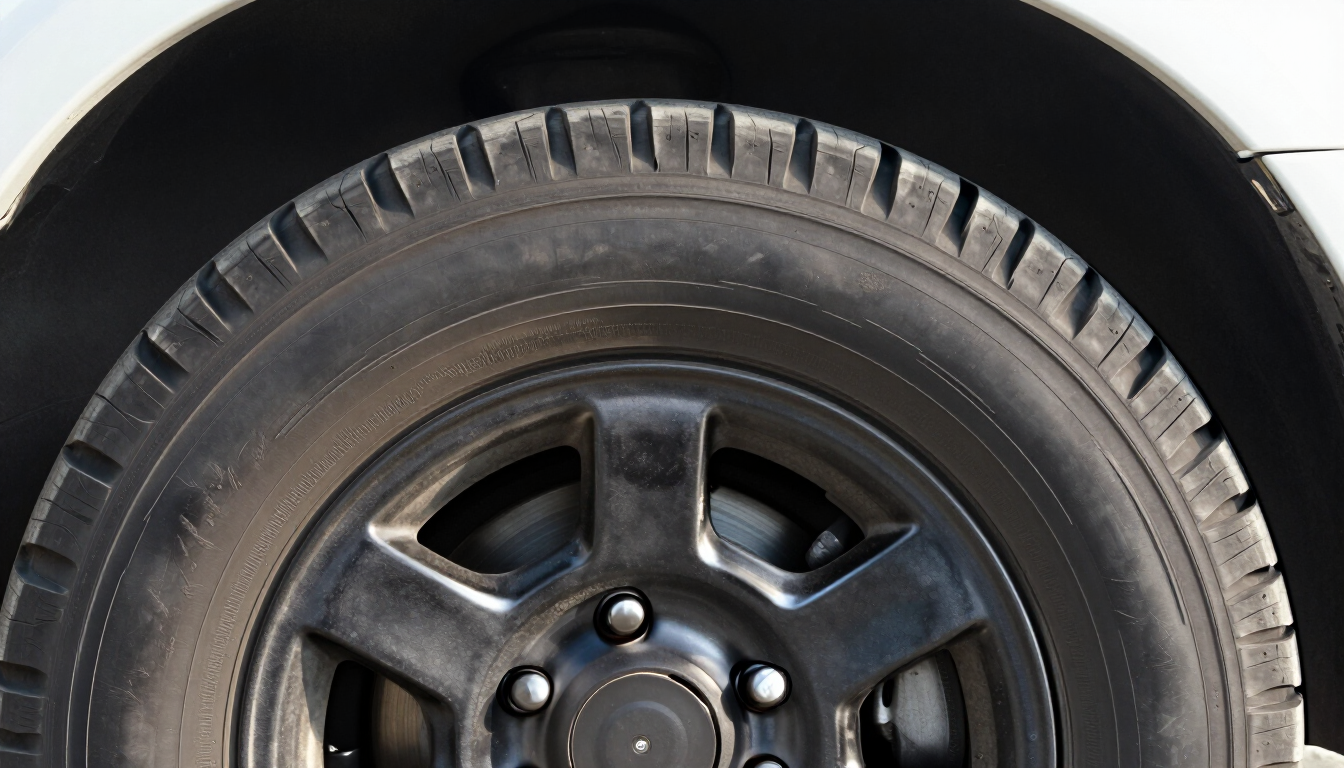
- Tire pressure. Check it when the tires are cold, before you drive. Use the pressure on the sticker inside the driver's door, not the number on the tire sidewall, which is a maximum. Cold weather drops tire pressure, so a tire that was fine in October may be low now. Check the spare too if you have one.
- Tread depth. Put a quarter upside down into the tread. If the tread doesn't reach George Washington's head, your tires may be due for replacement. Uneven wear is also worth pointing out to our tire service team.
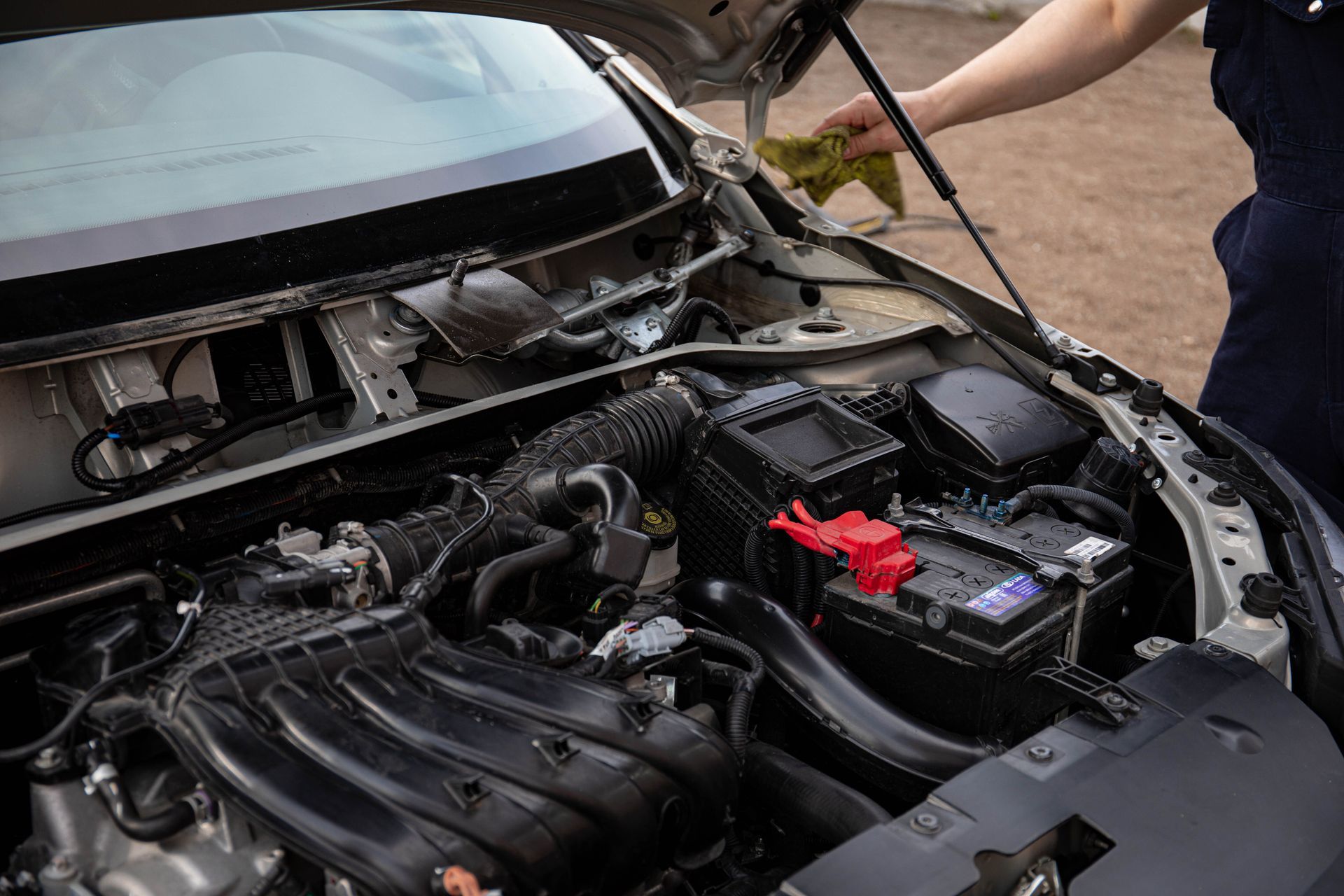
- Oil level. With the engine off and cool, pull the dipstick, wipe it, reinsert it, and check that the oil sits between the marks. A level near the bottom mark, or oil that looks gritty or milky, is worth a look.
- Coolant level. With the engine cold, look at the see-through coolant reservoir and make sure the level sits between the marks. Never open the cap on a warm engine.
- Washer fluid. Top it off with a winter-rated washer fluid so it doesn't freeze.
- Wipers. If they streak, chatter, or skip, replace them. It's a quick job and makes a big difference in sleet and road spray.
- Lights. Have someone stand outside while you test headlights, high beams, brake lights, turn signals, and hazards.
What to have a technician check before you go
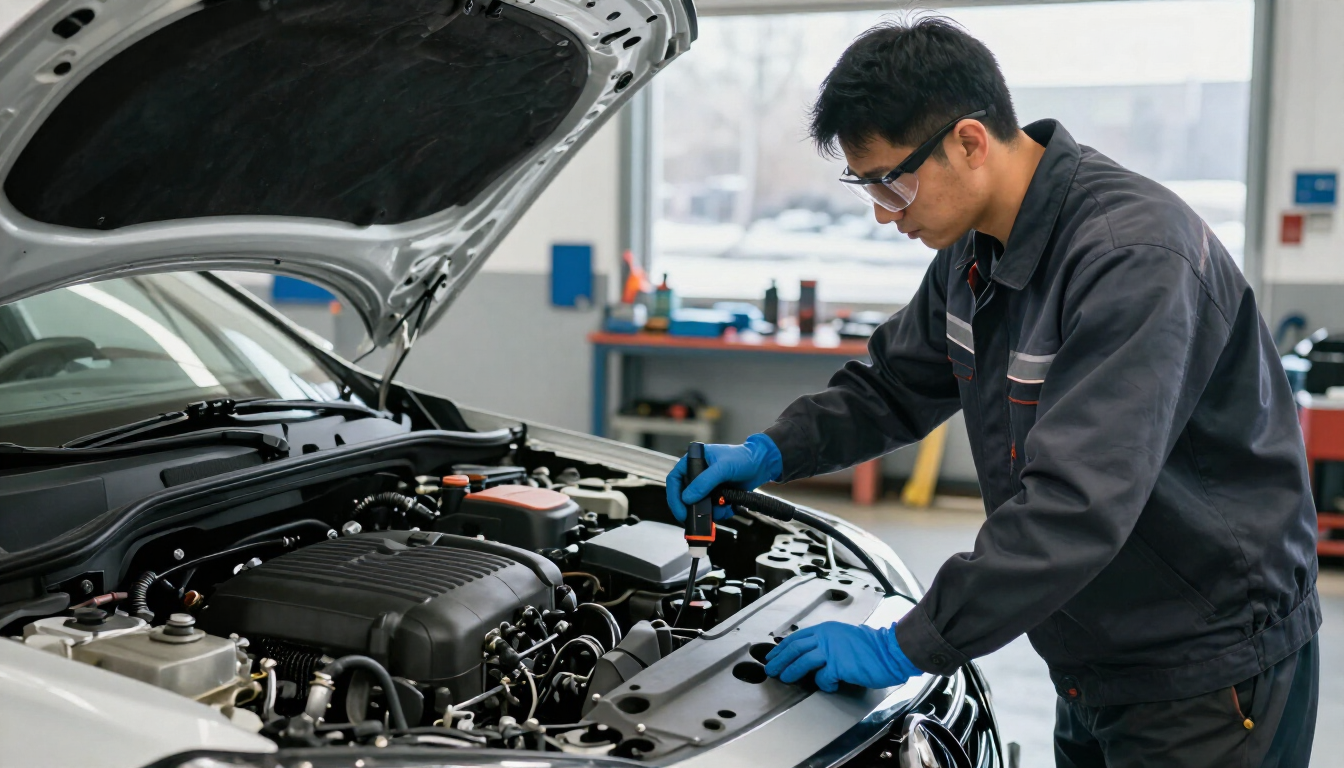
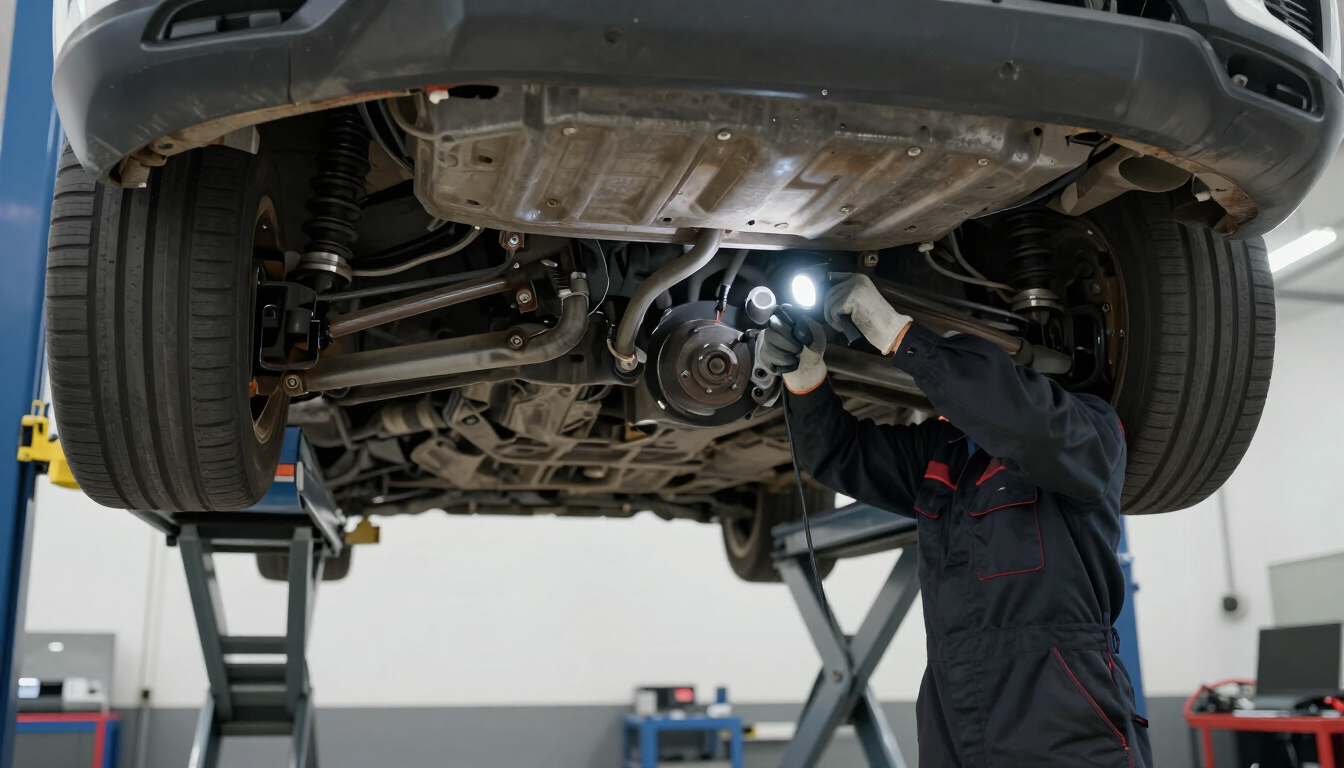
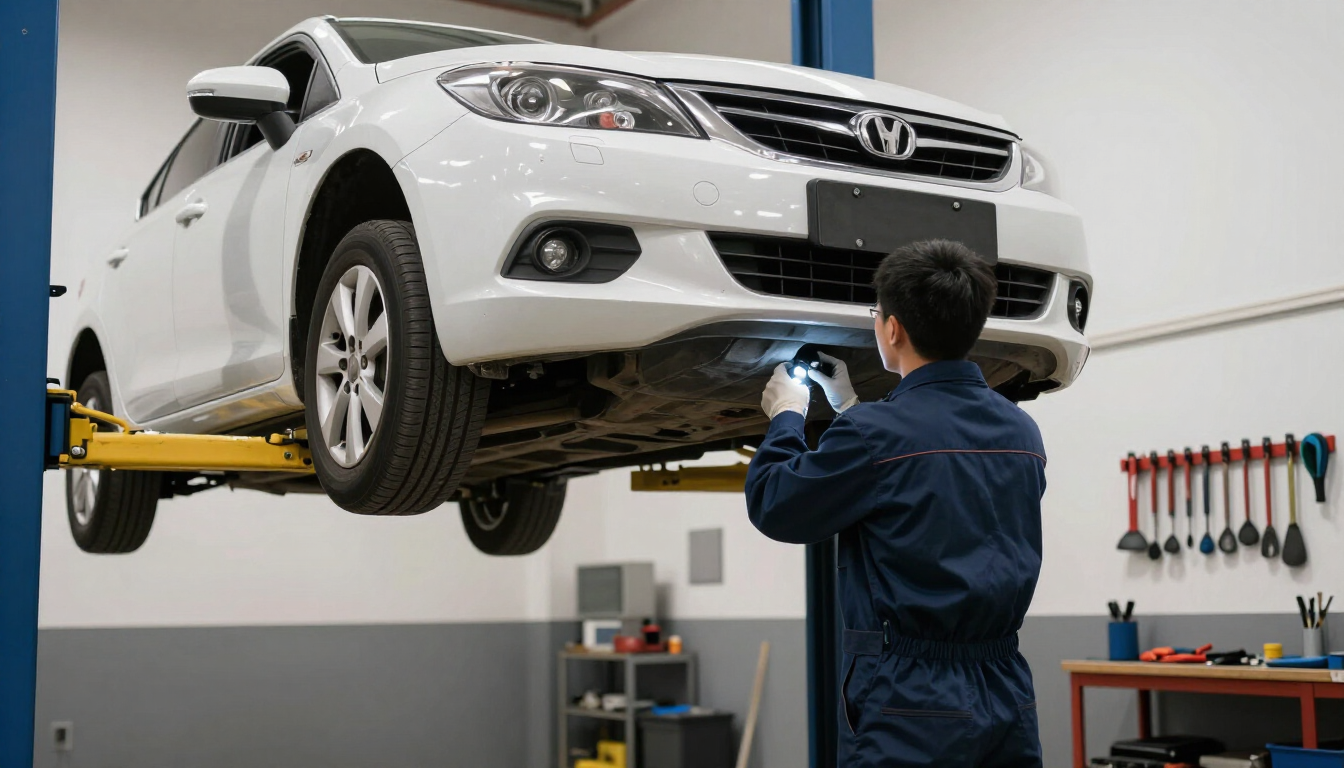
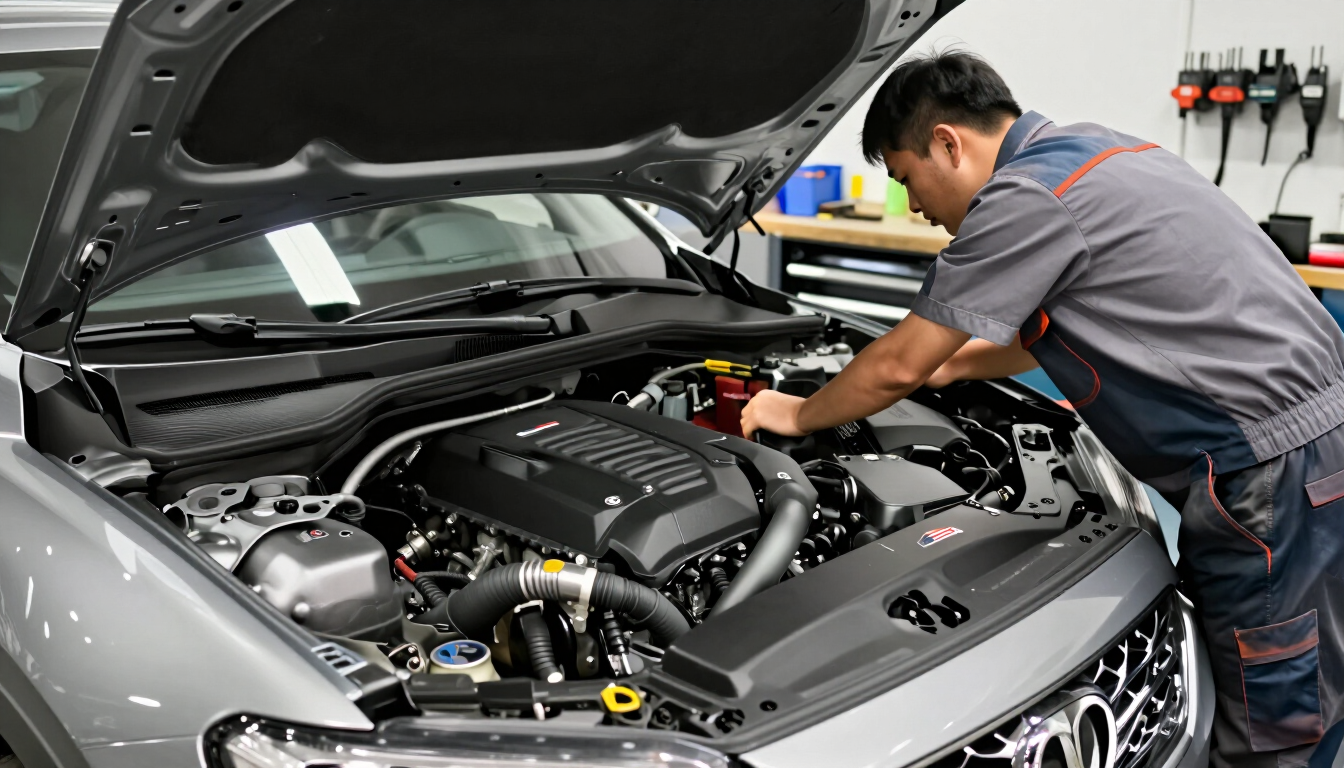
Some things can't be judged from the driveway. Before a long winter drive, these are worth a professional look:
| Item | What we look at | Why it matters on a winter trip |
|---|---|---|
| Battery | Battery test and charging system | A cold morning far from home is a bad time to find a weak battery |
| Brakes | Pads, rotors, lines, and fluid condition | Highway speeds, holiday traffic, and slick roads all demand reliable stopping |
| Coolant | Freeze protection, leaks, and hoses | Protects the engine in a hard freeze and keeps your heater working |
| Belts and hoses | Cracks, wear, and soft spots | Rubber parts can fail without much warning in cold weather |
| Tires and alignment | Sidewalls, wear patterns, and alignment | Uneven wear can point to alignment or suspension issues that affect handling |
| Heater and defroster | Heat output and windshield defrost | A clear windshield is a safety issue, not just comfort |
| Warning lights | Stored codes and what they point toward | A light you've been ignoring around town matters more far from home |
If your car is due for routine service anyway, pairing it with a pre-trip inspection saves you a visit. Our preventative maintenance service covers most of this list. If you're also weighing winter tires, our guide to when and why to swap your tires can help.
Pack a winter car kit
Even a well-maintained car can get stuck in a long backup or a sudden snow squall. Keep these in the car for the trip:
- A phone charger or charged power bank
- Jumper cables or a portable jump starter
- Blankets, gloves, and a hat
- A flashlight with fresh batteries
- An ice scraper and snow brush
- Water and a few snacks
- A small shovel and a bag of sand or cat litter for traction
- A basic first aid kit
It's also a good habit to keep your gas tank above half on winter trips, so you're never running low if traffic stops.
If your car has needed a jump recently, get the battery tested before you leave. A battery that keeps going dead is a symptom, not just an inconvenience. Our post on signs your car battery is failing covers what to watch for.
If something goes wrong on the road
Pull over somewhere safe, shut the engine off, and call for help if you see any of these: a red brake, oil pressure, or temperature warning light; a temperature gauge in the red; steam or smoke from under the hood; a burning smell; a flashing check engine light; a brake pedal that feels soft or sinks; or steering that feels loose. Don't try to nurse the car to the next exit.
As a general rule, red warning lights mean stop safely and deal with it now, while yellow or amber lights mean get it checked soon. If a yellow light comes on mid-trip, note when it came on and what the car was doing. That detail helps a technician later.
When to bring it in
Book a pre-trip inspection if your car is due for service, if you've noticed a new noise, pull, vibration, or warning light, or if it's been a while since anyone looked it over. One of our ASE-certified technicians will go through the items above, tell you what's in good shape, and point out anything that needs attention before you go, along with what can safely wait until you're back.
It's also worth running your vehicle identification number (VIN) through the NHTSA recall lookup before a long trip to see whether any open recalls apply to your car.
Get road-ready before the holidays
A little time now can save you a breakdown hundreds of miles from home. Our family-owned shop has cared for drivers for three generations, and every service is backed by our 24-month/24,000-mile NAPA warranty. Zanesville drivers can call us or book online, and booking early leaves time to handle anything we find before you leave.