Car Belts and Hoses: The Fall Check Every Heath, OH Driver Should Make
Most of the vehicles that get towed in on the first cold snap didn't fail because of something dramatic. They failed because a rubber part that spent all summer baking under the hood finally gave up. Car belts and hoses are some of the least complicated pieces in your engine bay, and some of the most likely to leave you sitting on the shoulder.
Fall is the window where checking them actually pays off, because you're between the heat that wears them and the cold that finishes them.
Before anything else: if your temperature gauge climbs into the red, or you see steam, or you smell something sweet and hot, do not try to make it to the shop. Pull over somewhere safe, shut the engine off, and arrange a tow. An overheating engine can go from a hose repair to serious internal engine damage in a very short drive. If that's where you are right now, here's more on what can cause a car to overheat.
What an Ohio summer does to car belts and hoses
Everything under your hood is rubber, and rubber has a hard life there. Engine bay temperatures climb well past what you feel standing next to the car, and every drive means another heat-and-cool cycle. Add A/C running hard all summer, which puts extra load on the belt, and you've got parts that have been working overtime since May.
Rubber responds by getting harder and less flexible. Small cracks open up. Hoses that were once springy get either stiff or spongy. None of that shows up as a problem while it's warm out.
Then the mornings drop into the 30s. Cold makes stiff rubber stiffer, the engine has to work harder to turn over, and the parts that were already tired are asked to do the most. That's the whole reason failures cluster in the fall and early winter around Heath and the rest of Licking County.
The parts doing the quiet work
Here's what's actually in this category and what tends to show up when it starts to wear.
| Part | What it does | What tends to show up |
|---|---|---|
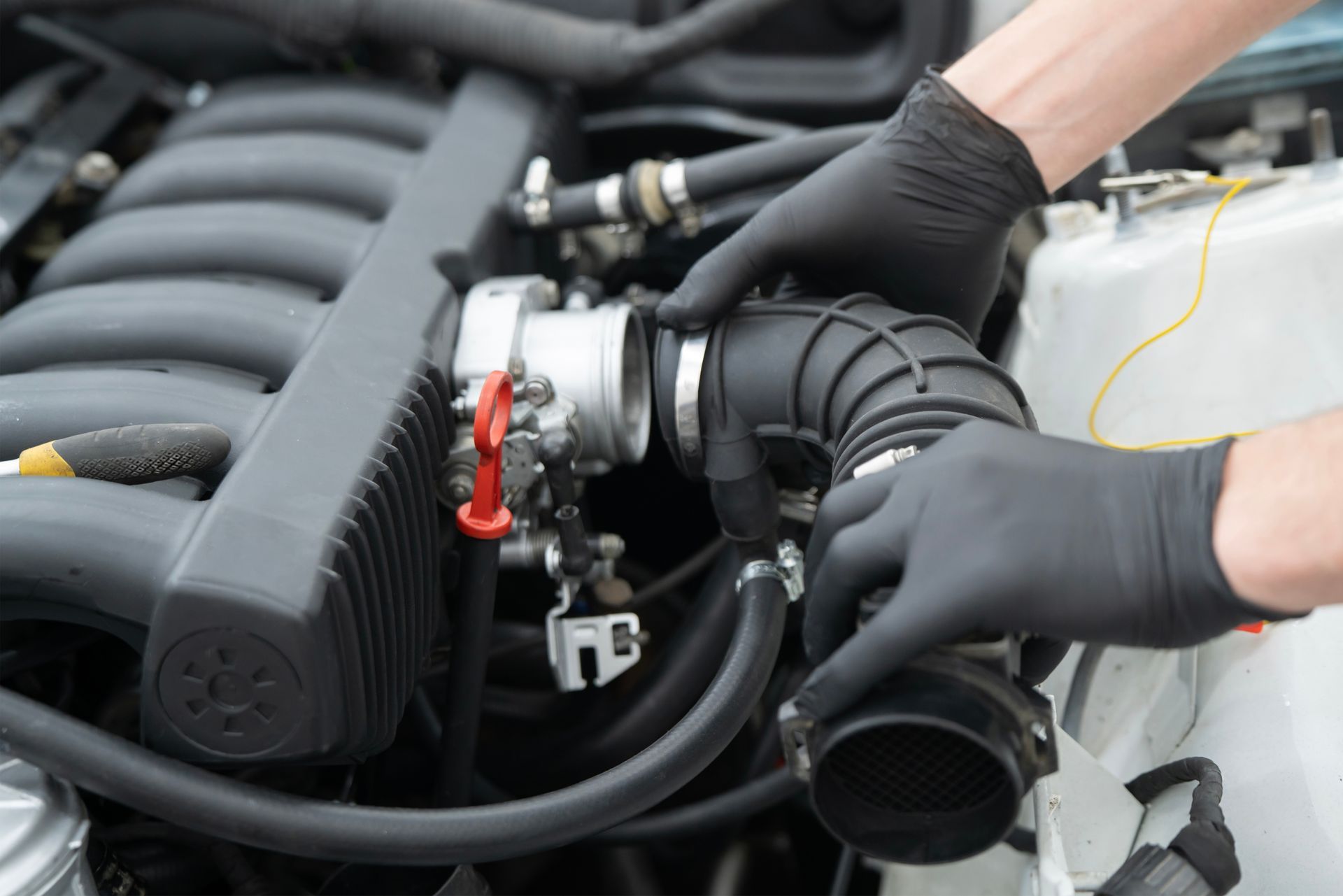
| Serpentine belt | The one long belt that drives your alternator, water pump, power steering, and A/C compressor | Cracks across the ribs, a shiny glazed look, chunks missing, or a squeal on a cold start |
| Radiator and heater hoses | Carry coolant between the engine, radiator, and your cabin heater | Soft or mushy spots, rock-hard sections, swelling near the clamps, crusty dried residue |
| Engine air filter | Filters the air your engine breathes | Loaded with dust, pollen, and road debris after a full summer |
| Cabin air filter | Filters the air coming through your vents | Musty smell or weak airflow, which you'll notice the first morning you need the defroster |
| Timing belt(some engines) | Keeps your valves and pistons in sync internally | Usually nothing visible. This one is replaced on an interval, not on symptoms — check your owner's manual |
The takeaway: the belt and hose category is one of the few places in a car where a small part failing can stop the whole vehicle. Lose the serpentine belt and you lose charging, power steering assist, and water pump circulation at the same time.
What you can safely look at yourself
You don't need tools for any of this, and you shouldn't need to touch anything. Do it with the engine off and fully cool — not five minutes after you got home.
- Look at the ground where you park. Coolant drips are usually green, orange, pink, or yellow and feel slick. A fresh spot that wasn't there last month is worth mentioning.
- Check the coolant reservoir level visually. It's a translucent plastic tank with MIN and MAX lines. Just read it from the outside. Never open a radiator cap on a warm engine — the system is pressurized and it will burn you.
- Glance at the belt if you can see it without reaching in. A belt that looks dry, cracked, or glossy is worth a look by a technician.
- Note anything crusty or stained around a hose end or clamp. Dried coolant leaves a chalky residue.
That's the whole list. Anything past looking — tensioning, replacing, opening the cooling system — belongs on a lift with someone who does it every day.
Sounds and smells worth writing down
You know your car better than anyone. What helps us most is the detail around when something happens, not a guess at what it is.
- A squeal on a cold start that fades once it warms up. That can point toward a belt, but it can also come from a tensioner, a pulley, or an accessory the belt drives. It genuinely takes hands and ears on the running engine to tell them apart.
- A sweet, syrupy smell after you shut off, especially with the windows down.
- The temperature gauge running higher than it used to, even if it never hits the red.
- Weak heat from the vents, which you'll notice the first cold morning.
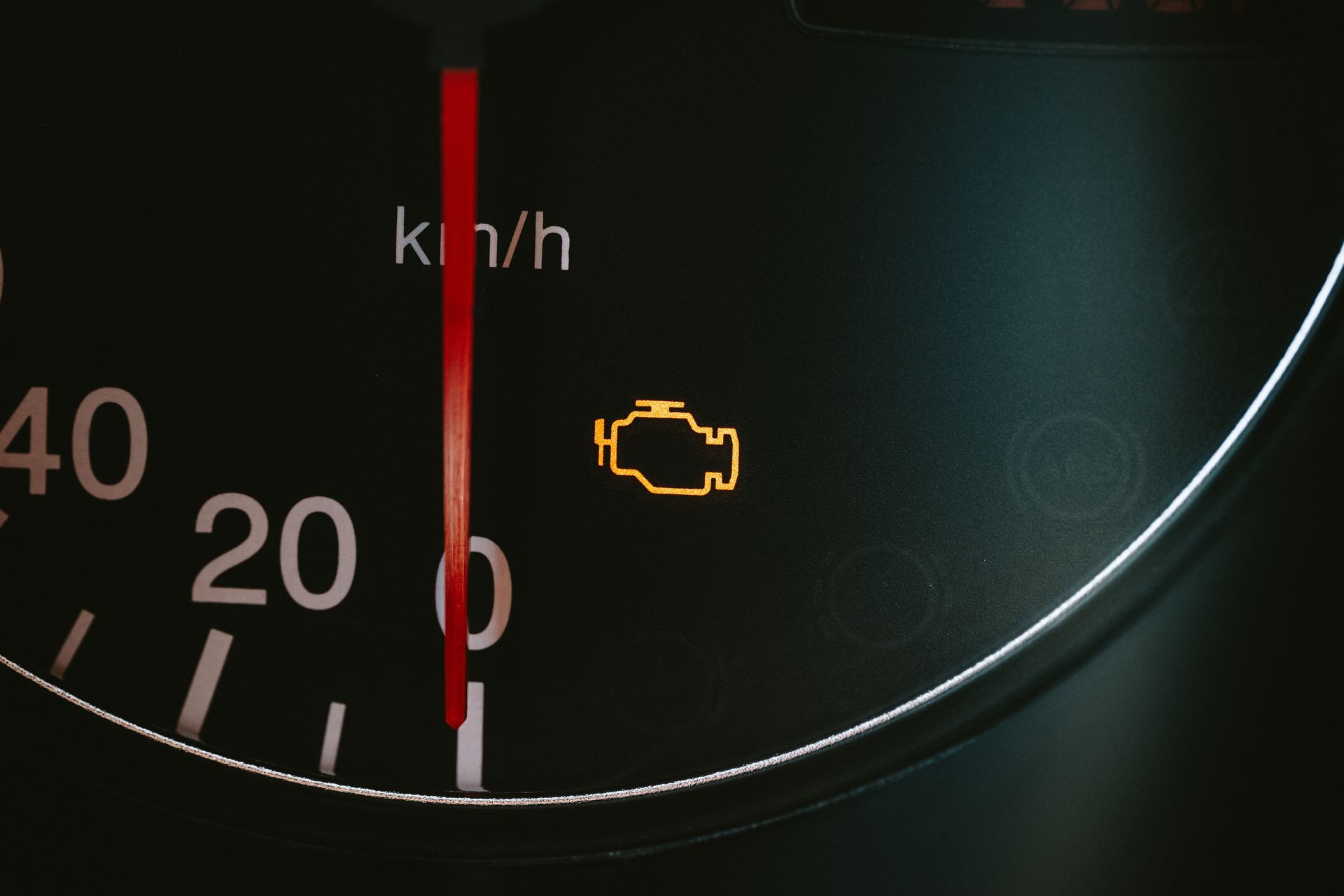
- The battery or charging light flickering on.
Write down the temperature outside, whether the engine was cold or warm, and how long it lasted. That's the difference between us reproducing it in ten minutes and chasing it for an hour.
When to bring it in
Come see us if you spotted any of the above, or if you just want it checked before the weather turns. During a belts, hoses, and filters service, our ASE-certified technicians will:
- Inspect the serpentine belt for cracking, glazing, and missing material, and check the tensioner and pulleys it runs on
- Squeeze and inspect the cooling system hoses for soft spots, hardening, swelling, and leaks at the connections
- Check coolant level and condition, and look for any signs of seepage you can't see from above
- Pull and inspect the engine air filter and cabin air filter
- Tell you what actually needs attention now, what can wait until spring, and what's simply fine
That last one matters. Plenty of belts look worse than they are, and we'll say so. Anything we do replace is backed by our 24-month/24,000-mile NAPA warranty as a NAPA AutoCare center.
Get it looked at before the first cold morning
The reason to do this in September rather than November is simple: right now it's a scheduled appointment. In six weeks it's a tow. A preventative maintenance visit is the cheapest kind of shop visit there is, because you pick the day.
Call us at (740) 788-9222 or book your appointment online. While you're planning, our guide to getting your vehicle ready for Ohio's changing seasons covers what else is worth handling this month.