Why Your Tire Pressure Light Comes On When It Gets Cold in Pickerington, OH
It's a chilly October morning in Pickerington. You start the car and the tire pressure warning light is glowing on your dash, and by lunchtime it's gone. If your tire pressure light comes on in cold weather and then turns itself off, you're not imagining it, and your car isn't broken. It is telling you something worth paying attention to, though.
If a tire looks visibly flat, has a bulge or cut in the sidewall, or shows exposed cords or wire in the tread, don't drive on it. Pull over somewhere safe and call for a tow or roadside assistance. A damaged tire can fail suddenly, especially at highway speed.
Why Cold Weather Triggers the Tire Pressure Light
Air shrinks when it gets cold. As overnight temperatures drop in the fall, the air inside your tires contracts and the pressure goes down with it. A tire that was right at the edge of the correct pressure in September can slip below the warning threshold on the first cold morning in October.
Once you drive for a while, your tires warm up, the air expands, and the pressure rises enough for the light to go off. The light going off doesn't mean the problem fixed itself. It means your tires are low every time they're cold, which is every morning you start driving.
Steady Light vs. Flashing Light
The tire pressure monitoring system, or TPMS, uses sensors to watch the pressure in your tires. On many vehicles, the warning light behaves in two different ways:
- Steady light: One or more tires are below the recommended pressure. Check your tires.
- Flashing light that then stays on: On many vehicles, this means the monitoring system itself has a fault, such as a sensor that isn't communicating. Your tires might be fine or they might not, and the system can't tell you which.
Your owner's manual describes how the system works on your specific vehicle. In general, a yellow or amber warning light means get it checked soon rather than ignore it.
How to Check Your Tire Pressure the Right Way
This is one of the most useful five-minute jobs you can do yourself. Here's how:
- Check when the tires are cold. First thing in the morning, before you drive, gives the most accurate reading.
- Find the right number. Look at the sticker inside the driver's door jamb or in your owner's manual. Don't use the number molded into the tire sidewall. That's the tire's maximum, not what your car needs.
- Remove the valve cap and press a tire gauge firmly onto the valve stem until the hissing stops.
- Read the gauge and compare it to the door sticker.
- Add air if needed, checking again as you go so you don't overfill.
- Check all four tires, then put the valve caps back on to keep dirt and moisture out.
Some vehicles need a short drive before the light resets after you add air. If the light stays on after every tire is at the right pressure and you've driven a few miles, it's time to have it looked at.
When the Light Keeps Coming Back
If you fill your tires and the light returns a few days later, cold air alone usually isn't the whole story. Possible reasons include:
- A slow leak from a nail or screw in the tread
- Air escaping where the tire seals against the wheel, which can happen when wheels corrode
- A worn or leaking valve stem
- A TPMS sensor that's damaged or has a weak internal battery
- Tire or wheel damage from a pothole
Any of these could be the cause, and several look exactly alike from the outside. Finding the right one takes a closer look.
Why Low Pressure Matters on Your Commute
Plenty of Pickerington drivers put real highway miles on their tires every day. Underinflated tires flex more, build up more heat, wear faster on the edges, and can make your car feel less responsive when braking or turning. They also tend to hurt fuel economy.
Low pressure is easy to fix, but it's worth fixing every time, not just when the light catches it. A quick pressure check once a month and whenever the seasons change is a good habit.
Check Your Tread While You're There
While you're down at tire level, take a look at the tread. Insert a quarter upside down into the tread grooves. If the tread doesn't touch George Washington's head, it's time to talk about new tires before winter.
Also look for uneven wear, like one edge worn more than the other or a choppy, scalloped pattern. Uneven wear isn't something to diagnose on your own, but it's worth mentioning to your technician, since it can point toward pressure, wheel alignment, or suspension issues.
Our post on tire problems that can affect your driving covers more of what to watch for.
When to Bring It In
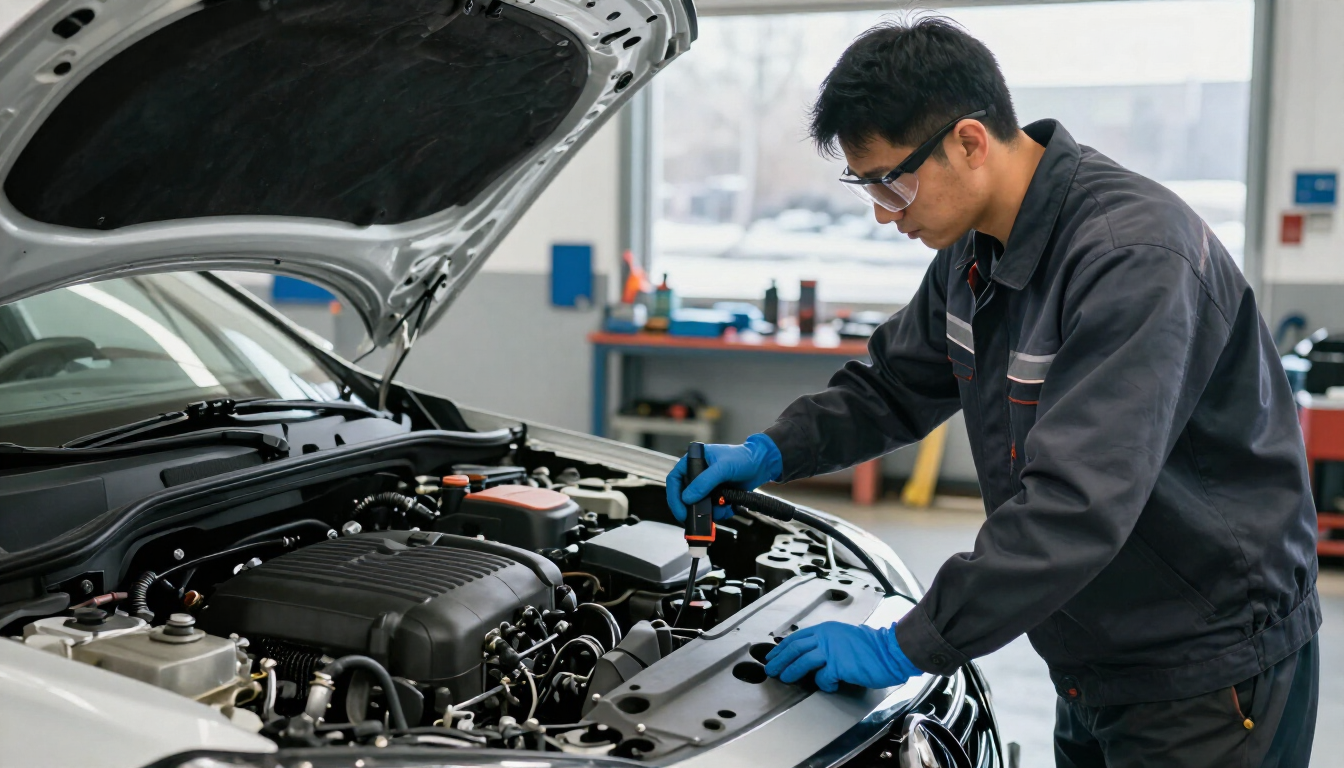
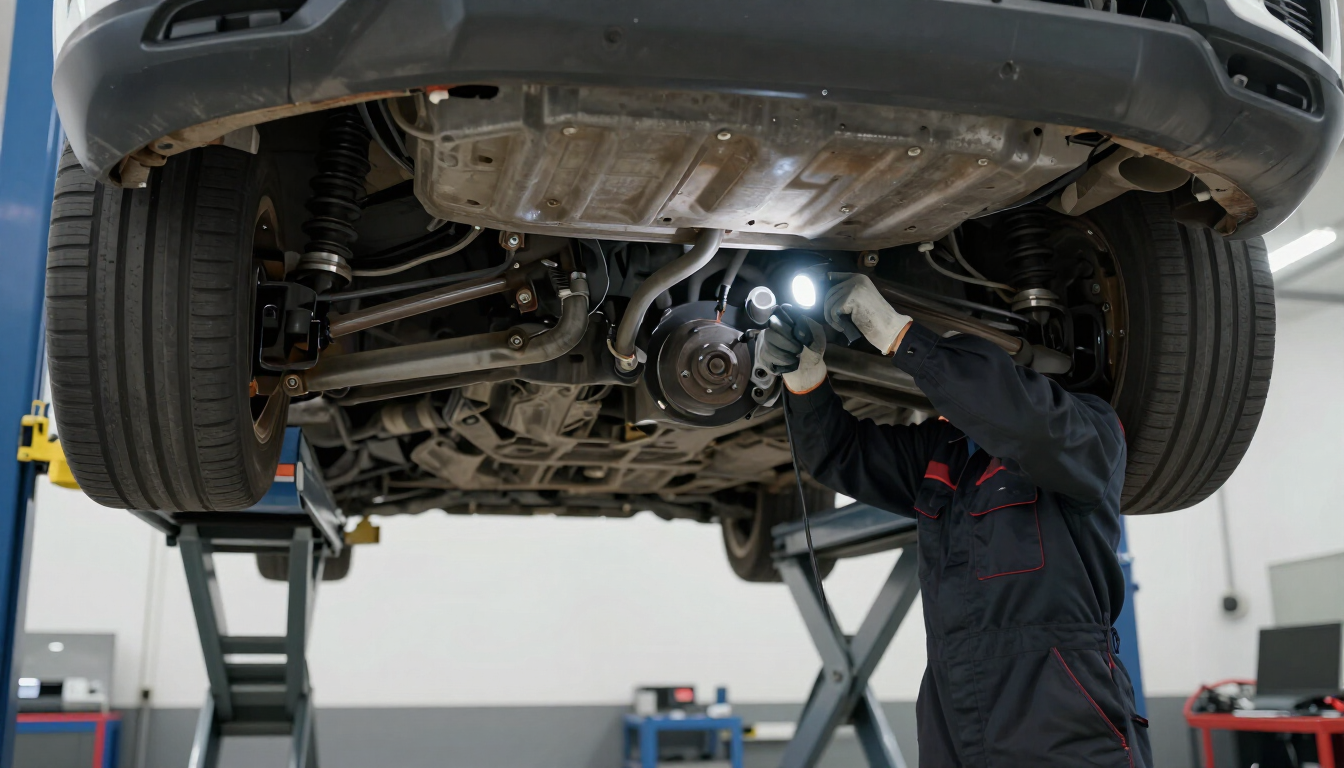
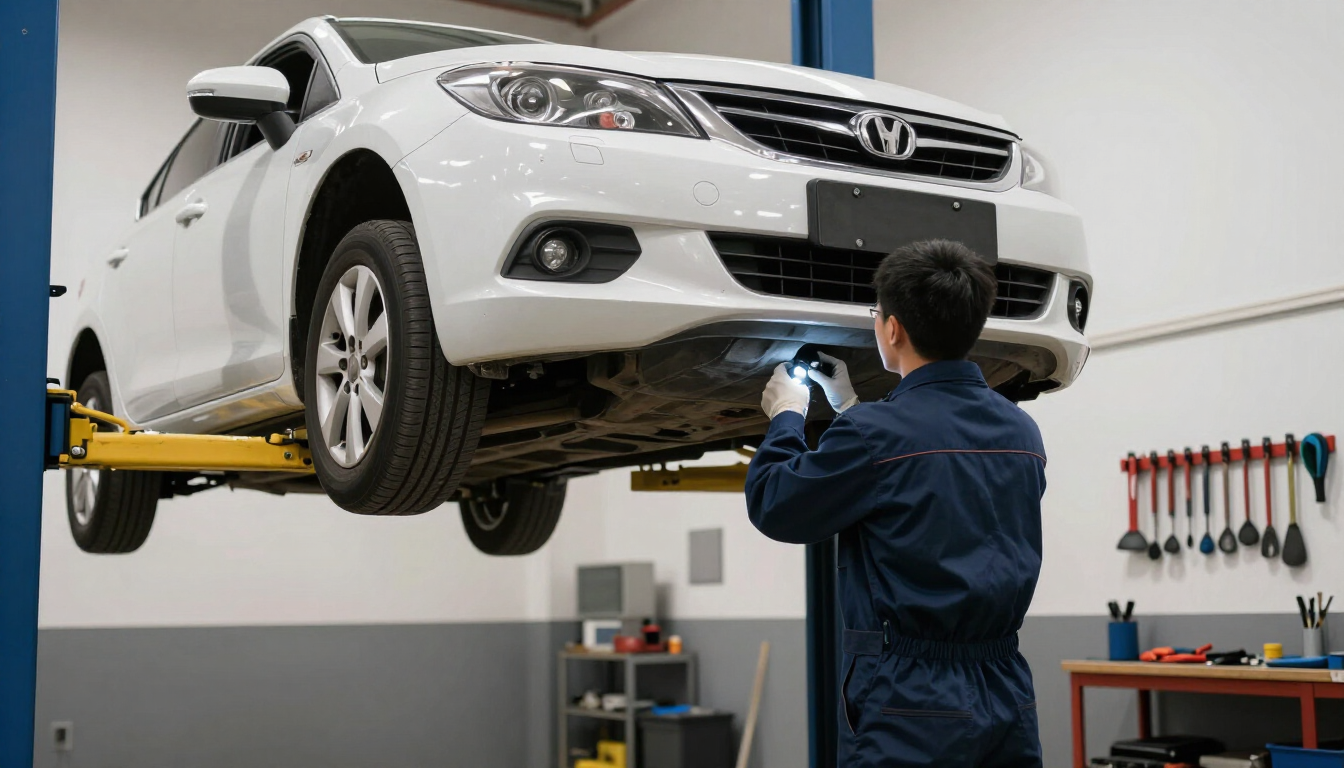
Bring your car in if the tire pressure light keeps coming back, flashes, or stays on after you've set the pressure correctly. Come in right away if you see any damage on a tire. Here's what our technicians will check:
- Pressure in every tire, set to your vehicle's specification
- A leak check on any tire that keeps losing air
- Tread depth, wear patterns, and sidewall condition
- Valve stems and the area where the tire seals to the wheel
- TPMS sensor readings, using diagnostic tools that communicate with the sensors
From there, we'll tell you plainly whether you need a simple repair, a sensor, or new tires, and what can wait. Learn more about our tire services. If you're thinking ahead to snow, read our guide on when and why to swap your tires.
Get Your Tires Ready Before Winter
Jeremiah's Automotive Service is a family-owned shop serving Pickerington drivers, with ASE-certified technicians and every service backed by a 24-month/24,000-mile NAPA warranty.
Don't wait for the first snowy morning to find out you have a slow leak. Call (740) 788-9222 or book online, and we'll get your tires checked and set right.