What a Pre-Purchase Inspection Checks Before You Buy a Used Car in New Albany, OH
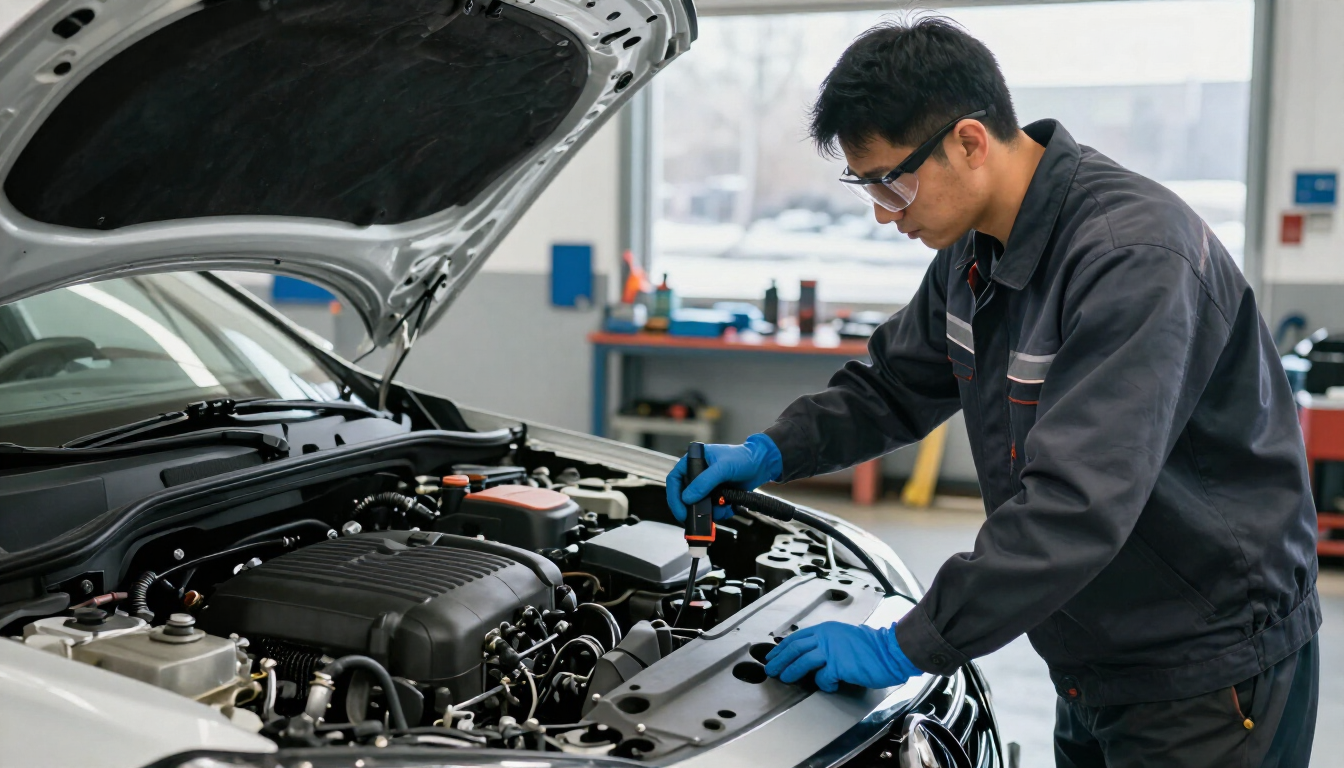
Buying a used car means trusting what you can see, what the seller tells you, and what a short test drive shows you. A pre-purchase inspection fills in what you can't see. Before you hand over money for a used vehicle in New Albany, having a technician look it over tells you whether you're getting a solid car, one that needs some near-term work, or one to walk away from.
Here's what a pre-purchase inspection checks, what it can't tell you, and how to use the results.
Why a Pre-Purchase Inspection Is Worth Doing
Most sellers aren't trying to hide anything. Many simply don't know what's going on with their car. A private seller may never have looked underneath it, and plenty of problems don't show up on a quick drive around the block.
A pre-purchase inspection gives you facts before you sign. It's not about finding a perfect car. It's about knowing exactly what you're buying. That knowledge helps you negotiate, plan for upcoming maintenance, or walk away with confidence.
What a Pre-Purchase Inspection Covers
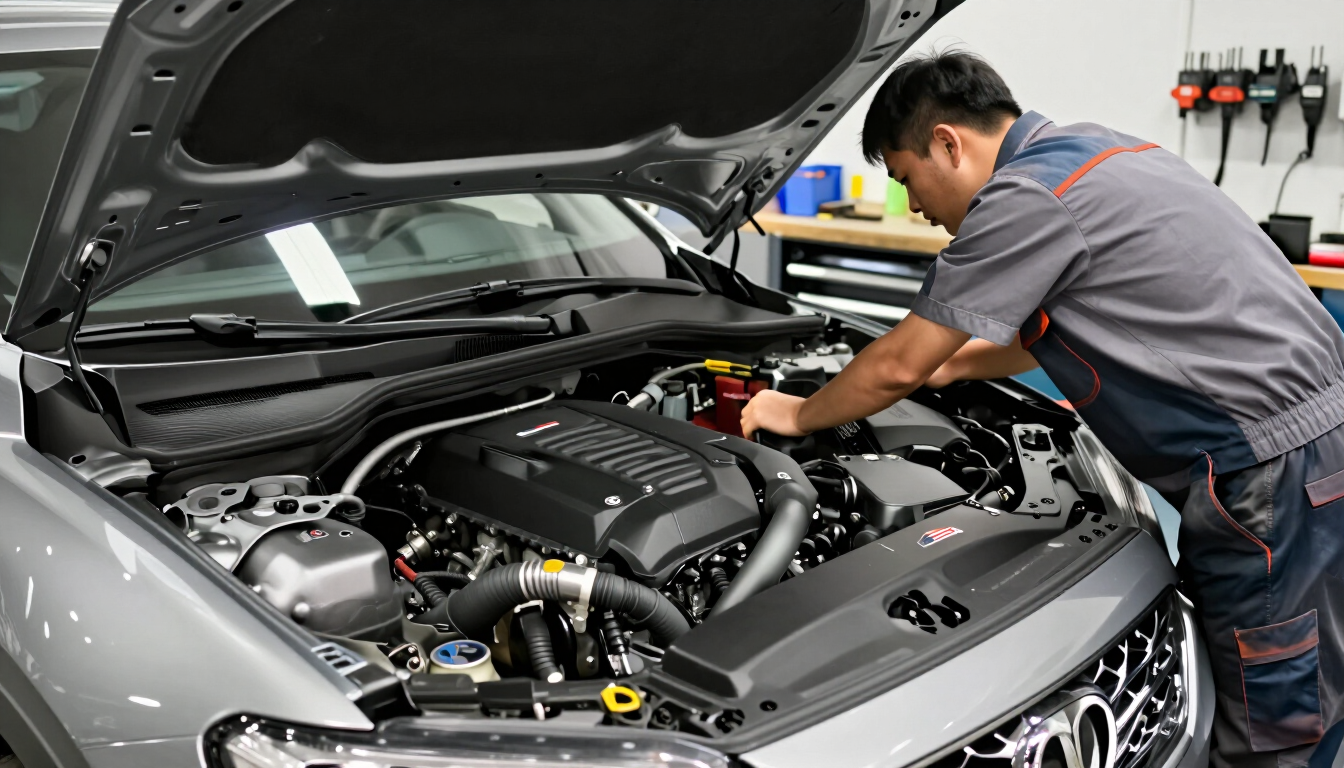
Every vehicle is different, but a thorough inspection typically includes:
- A computer scan: We check for stored trouble codes and whether the car's self-test monitors are ready. Monitors that aren't ready can sometimes mean codes were recently cleared, which is worth asking the seller about.
- Fluids: Engine oil, coolant, brake fluid, and other fluids are checked for level, condition, and signs of leaks.
- Brakes: Pad and rotor condition, brake lines, and how the brakes feel on the road.
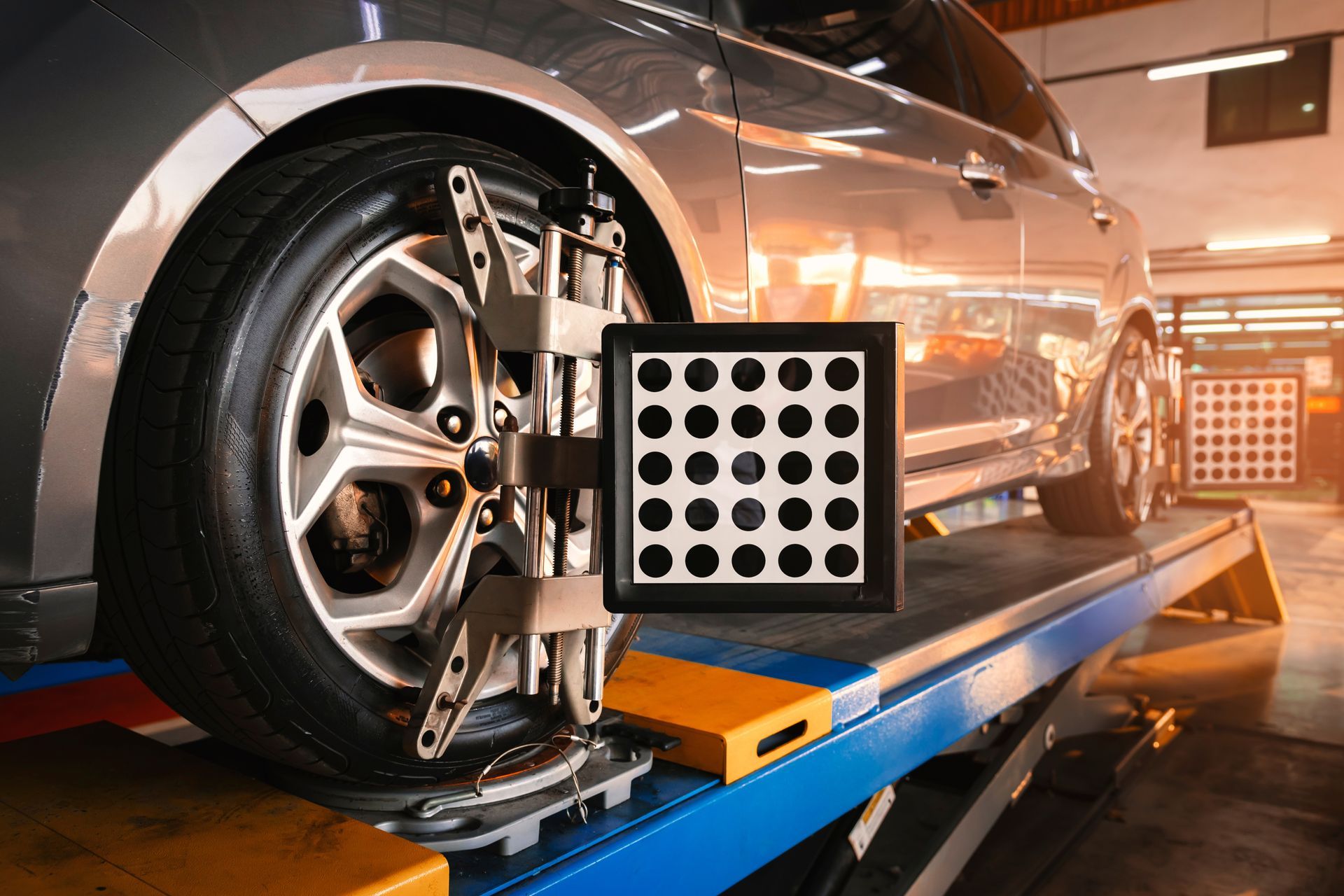
- Tires and wheels: Tread depth, tire age, and wear patterns that can hint at alignment or suspension issues.
- Suspension and steering: Worn components, leaks, looseness in the steering, and how the car tracks down the road.
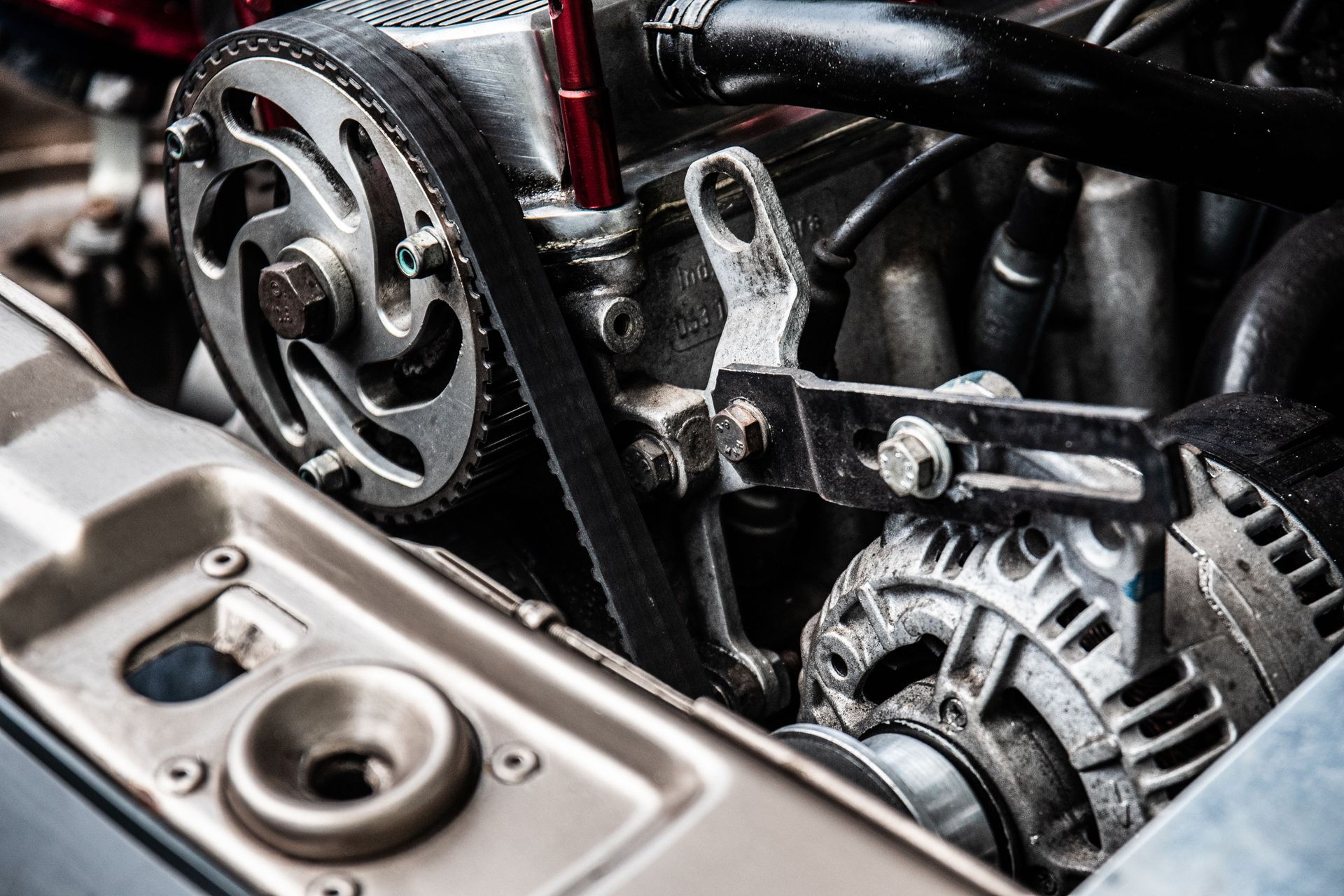
- Belts and hoses: Cracks, wear, and leaks.
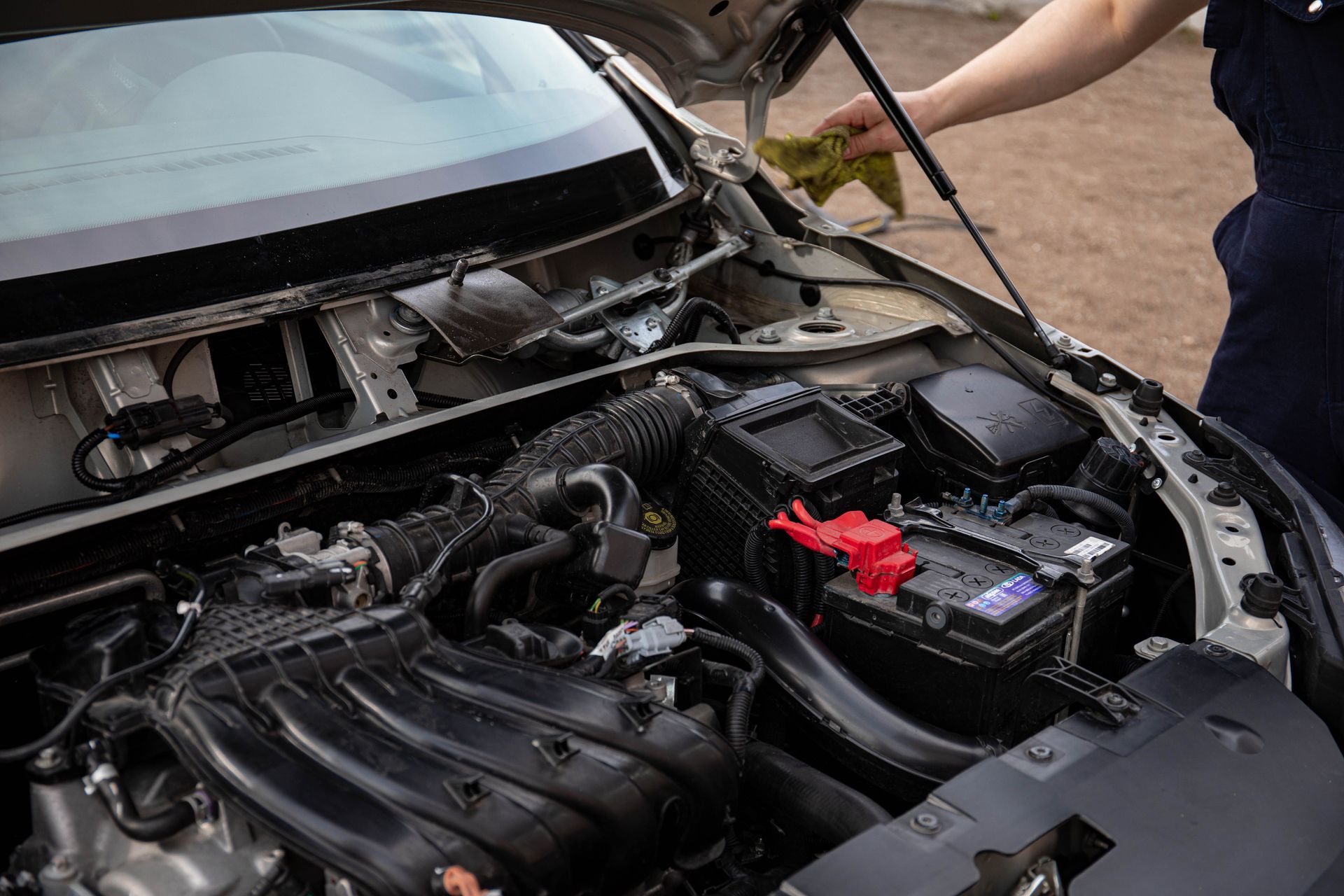
- Battery and charging system: Battery health and whether the charging system is doing its job.
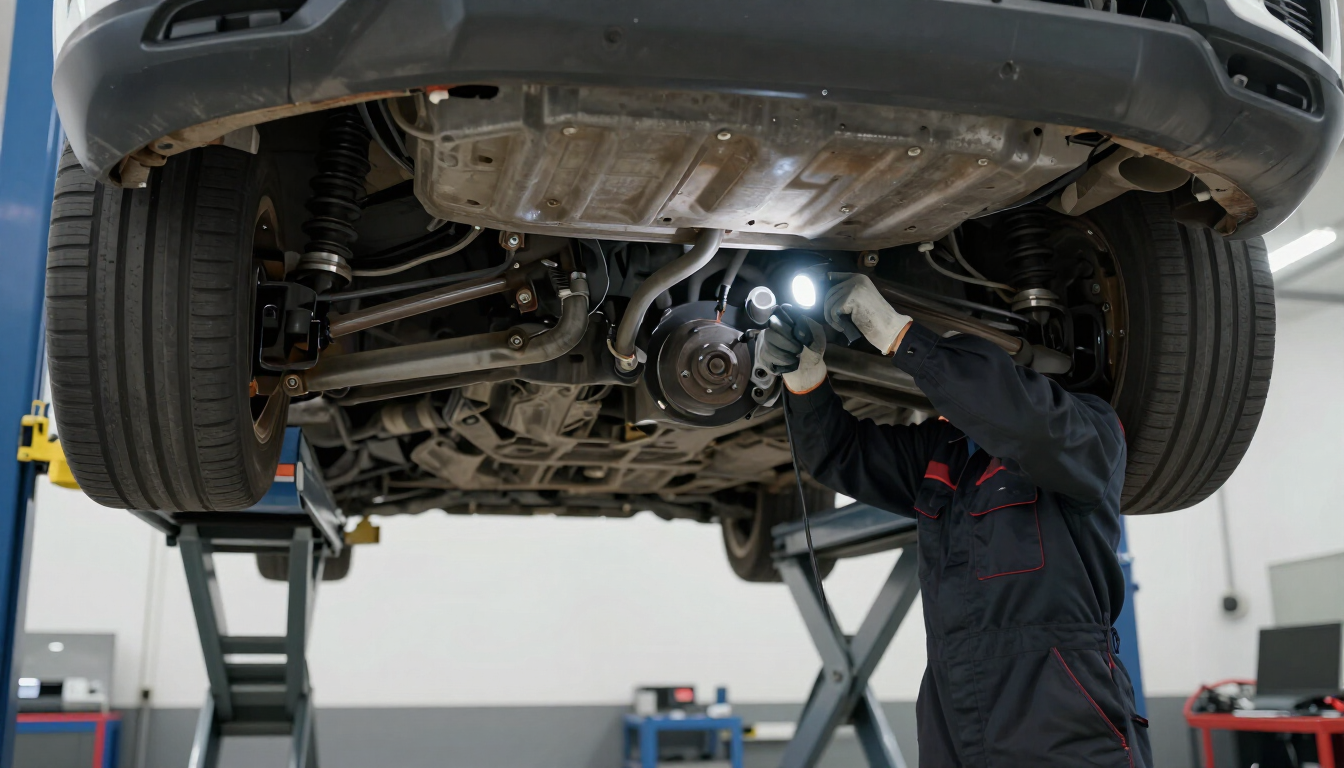
- Underneath the car: Exhaust, mounts, and corrosion. Ohio road salt makes this especially important.
- Lights and electrical: Exterior lights, warning lights, and basic electrical features.
- Heating and A/C: Whether both actually work.
- A test drive: How the engine runs, how the car brakes, steers, and handles, and any noises or vibrations.
When something needs a specialist's eye
If anything during the inspection or test drive points to a transmission concern, we'll tell you straight and point you to the right specialist before you buy. The same goes for signs of past collision or body repair. Giving you an honest picture means telling you when another set of eyes is the smart move.
What an Inspection Can't Tell You
A pre-purchase inspection is a snapshot of the car's condition on the day we see it. It can't predict exactly when a part will wear out, and it can't see inside the engine without taking it apart. A car that inspects well can still need repairs down the road, like any used vehicle.
What it does is lower the odds of an expensive surprise in your first few months of ownership and give you a clear list of what to expect.
What to Notice on Your Own Test Drive
You don't need to be a mechanic to spot things worth asking about. On your own walk-around and test drive, pay attention to:
- Warning lights should light up briefly when you start the car, then go off. A light that stays on, or one that never lights at all, is worth asking about.
- Pull the oil dipstick. Note whether the level is between the marks and whether the oil looks very dark, sludgy, or milky.
- Look for uneven tire wear, like one edge worn more than the other.
- Check that every exterior light works, including brake lights and turn signals.
- Run both the heat and the A/C.
- Listen for clunks over bumps, grinding when braking, or a whine that changes with speed.
- Notice whether the car pulls to one side or the steering wheel shakes.
- Watch for smoke from the exhaust and any burning or sweet smells.
These aren't conclusions. They're notes to share with your technician. Something that seems alarming may be minor, and something that seems fine may need a closer look.
Before You Schedule the Inspection
A little prep makes the inspection go smoothly:
- Get the seller's permission to bring the car to a shop. A seller who refuses is giving you useful information too.
- Write down the VIN(vehicle identification number). It's usually visible through the windshield on the driver's side and on the driver's door jamb.
- Check for open recalls by entering the VIN at NHTSA's recall lookup.
- Ask for maintenance records. Receipts and service history tell you a lot about how the car was cared for.
- Plan around our hours. We're open Monday through Friday, 7:00 am to 5:00 pm, so coordinate a weekday drop-off with the seller.
How to Use the Results
Once the inspection is done, we'll walk you through what we found in plain language. Results generally fall into three buckets:
- Looks good: Normal wear for the car's age and mileage. Buy with confidence.
- Needs some work: Items that need attention soon. Use them to negotiate, or build them into your budget.
- Walk away: Problems significant enough that the car isn't worth the risk.
We'll tell you what's urgent and what can wait. We're not there to talk you into or out of a car. We're there to give you the facts.
After You Buy: Set Your Maintenance Baseline
With a used car, you often don't know when the last oil change or fluid service happened. Start with the maintenance schedule in your owner's manual, and ask your technician what your vehicle actually needs based on its condition and how you drive.
Our preventative maintenance service is a good place to start, and we work on a wide range of makes and models. For a closer look at how scans and testing work, read what to expect from a quality vehicle diagnostic. Our earlier shop tip on buying a used vehicle is worth a read too.
Schedule a Pre-Purchase Inspection
Jeremiah's Automotive Service is a family-owned shop with three generations of experience and ASE-certified technicians, and we're glad to help New Albany drivers buy smart.
Call (740) 788-9222 or book online before you sign anything. The best time to find a problem is before it becomes yours.