The first hard freeze of the season is a bad time to learn your engine's coolant isn't up to the job. An antifreeze check before winter takes a few minutes at the shop, and it can spare you a no-heat morning or a much bigger repair. Here's what drivers in Heath should know about coolant, what you can safely look at yourself, and when to let a technician take over.
Stop driving if your temperature gauge climbs into the red or a coolant or temperature warning light comes on. Pull over somewhere safe, shut the engine off, and call for a tow. Never open the radiator or coolant reservoir cap on a hot engine. The system is under pressure and can spray scalding coolant.
What antifreeze actually does
Your engine's coolant is a mix of antifreeze and water. It circulates through the engine, the radiator, and the heater core, which is the small radiator behind your dash that warms the cabin.
Coolant has three jobs: keep the liquid from freezing in winter, keep it from boiling over in summer, and protect the inside of the cooling system from corrosion. When the mix gets weak or the coolant breaks down with age, that protection drops. Water expands when it freezes, and coolant that freezes inside an engine can crack parts that are expensive to replace.
Why an antifreeze check before winter matters in Ohio
Ohio winters swing hard. A mild afternoon can turn into a hard overnight freeze, and your car sits outside through all of it. That's when a weak coolant mix gets exposed.
Coolant protection can slip for a few ordinary reasons:
- Age. The additives that fight corrosion wear out over time, even when the level looks fine.
- Topping off with plain water. It's a common quick fix during summer, and it thins out freeze protection.
- Slow leaks. A small leak lets coolant escape, and whatever gets added back may not match.
- The wrong coolant type. Vehicles call for specific coolant formulas, and mixing types can cause problems.
Your heater depends on hot coolant too. If your cabin heat has been weak or slow to warm up, that's another reason to look at the cooling system now. Our heating and air service page covers how the two systems work together.
Signs your cooling system needs attention
Watch for these before and during the cold months:
- Your temperature gauge reads higher than usual or moves around
- The heater blows lukewarm air or takes a long time to warm up
- A sweet, syrupy smell inside or outside the car
- Drips or puddles under the front of the car, often green, orange, pink, or blue
- The coolant reservoir level keeps dropping between checks
- Steam or white vapor from under the hood
- A coolant or temperature warning light on the dash
Each of these can come from several different causes. A loose hose clamp, a worn radiator cap, a sticking thermostat, a water pump, or a leak in the radiator can all look the same from the driver's seat. That's why the next step is a proper check, not a guess. If your car has been running hot, our post on what causes a car to overheat walks through the bigger picture.
What you can safely check at home
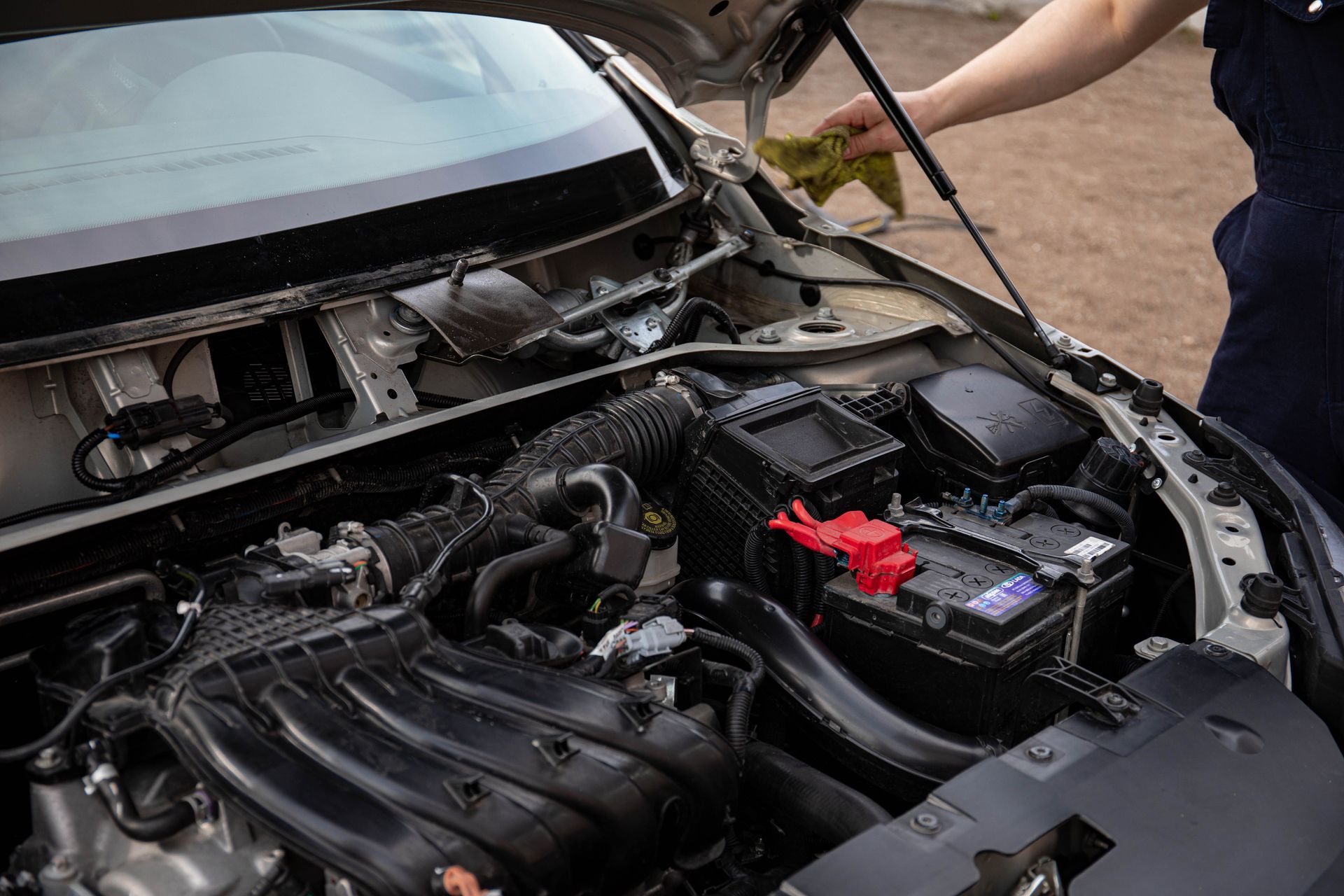
A quick visual check takes two minutes and no tools. Do it with the engine completely cold, ideally after the car has sat overnight.
- Park on level ground so the reading is accurate.
- Find the coolant reservoir. It's usually a see-through plastic tank near the radiator with MIN and MAX (or LOW and FULL) lines. Your owner's manual shows where it is.
- Check the level without opening the cap. It should sit between the two lines.
- Look at the color through the plastic. Coolant should look clean and bright. Rusty, muddy, or oily coolant, or anything floating in it, is worth mentioning to a technician.
- Look at the ground where you park. Fresh spots under the front of the car are a clue.
Coolant doesn't get used up like fuel. If the level keeps dropping, it's going somewhere, and that's worth finding before winter instead of after.
One more caution: antifreeze tastes sweet and is poisonous to pets and children. Wipe up spills right away and keep containers sealed and out of reach.
Home check vs. shop check
A visual check tells you whether there's an obvious problem. It can't tell you how much freeze protection your coolant has left. Here's how the two compare:
| What's checked | At home | At the shop |
|---|---|---|
| Coolant level | Yes, visually, with a cold engine | Yes |
| Color and condition | A rough look through the reservoir | Closer inspection for contamination and corrosion |
| Freeze protection | No | Tested with a coolant tester |
| Hidden leaks | Only drips you can see | Pressure test of the cooling system |
| Hoses, clamps, radiator cap | Leave to a technician | Inspected for cracks, soft spots, and wear |
| Thermostat and heater output | You'll notice weak heat | Checked for proper operation |
How often should coolant be serviced?
There's no single answer. Coolant service intervals vary by make, model, year, and the type of coolant your vehicle uses. Your owner's manual is the place to start, and your technician can tell you what your vehicle actually needs based on its condition, not just the calendar.
If you're sorting out which services to prioritize this season, our guide to servicing your vehicle in Ohio weather is a good next read.
When to bring it in
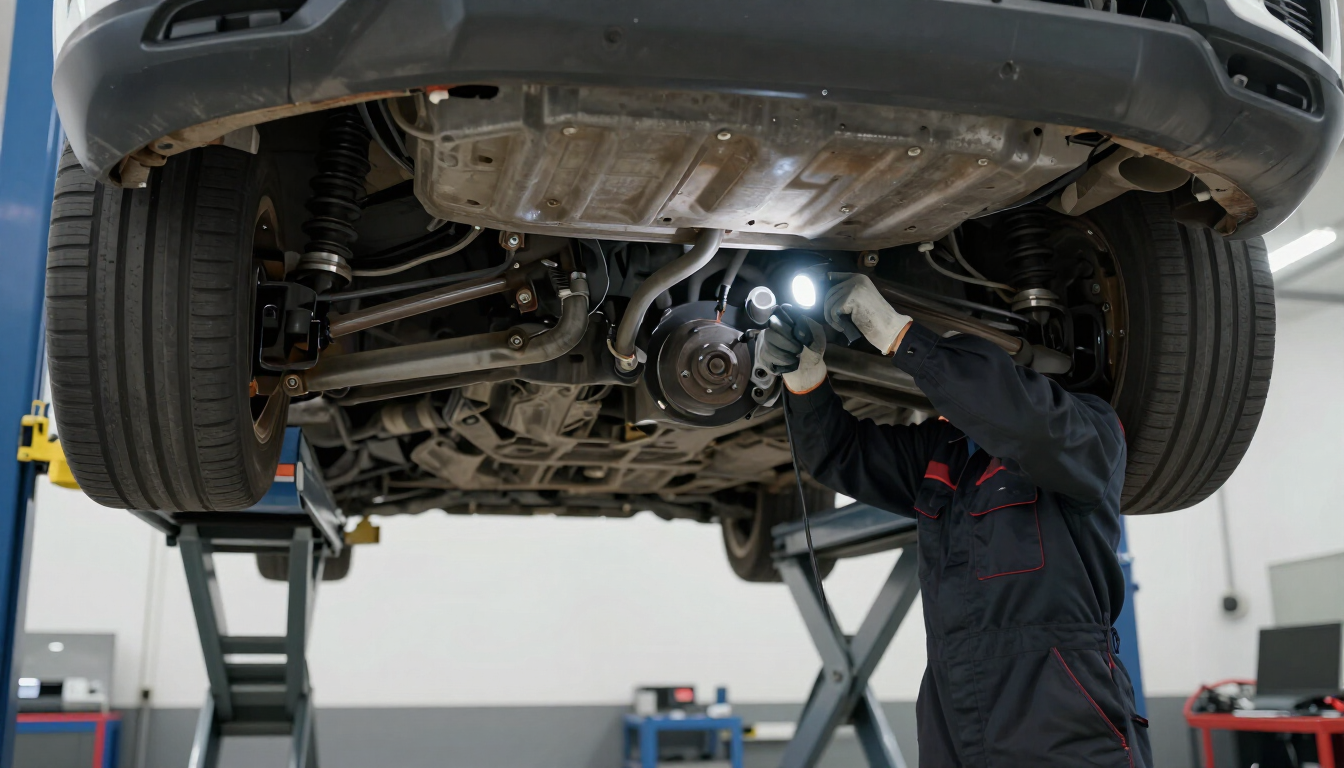
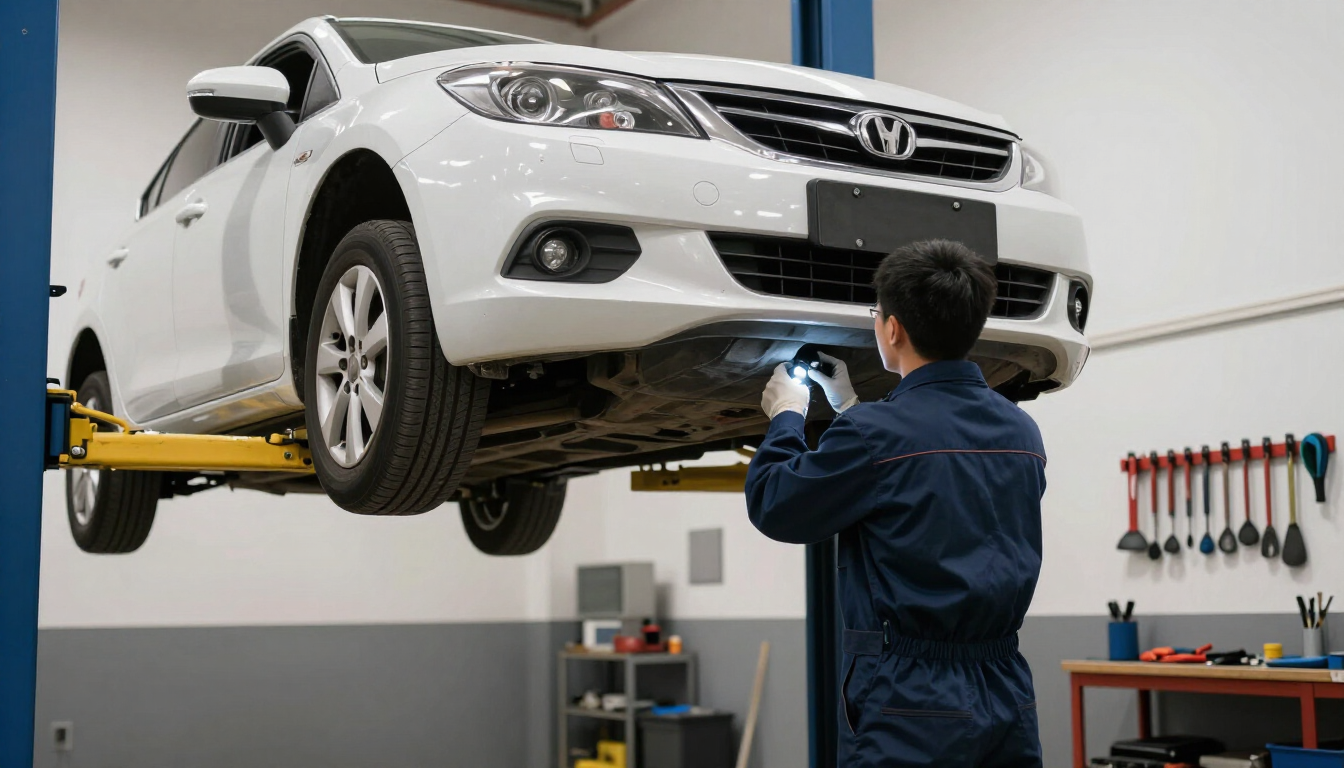
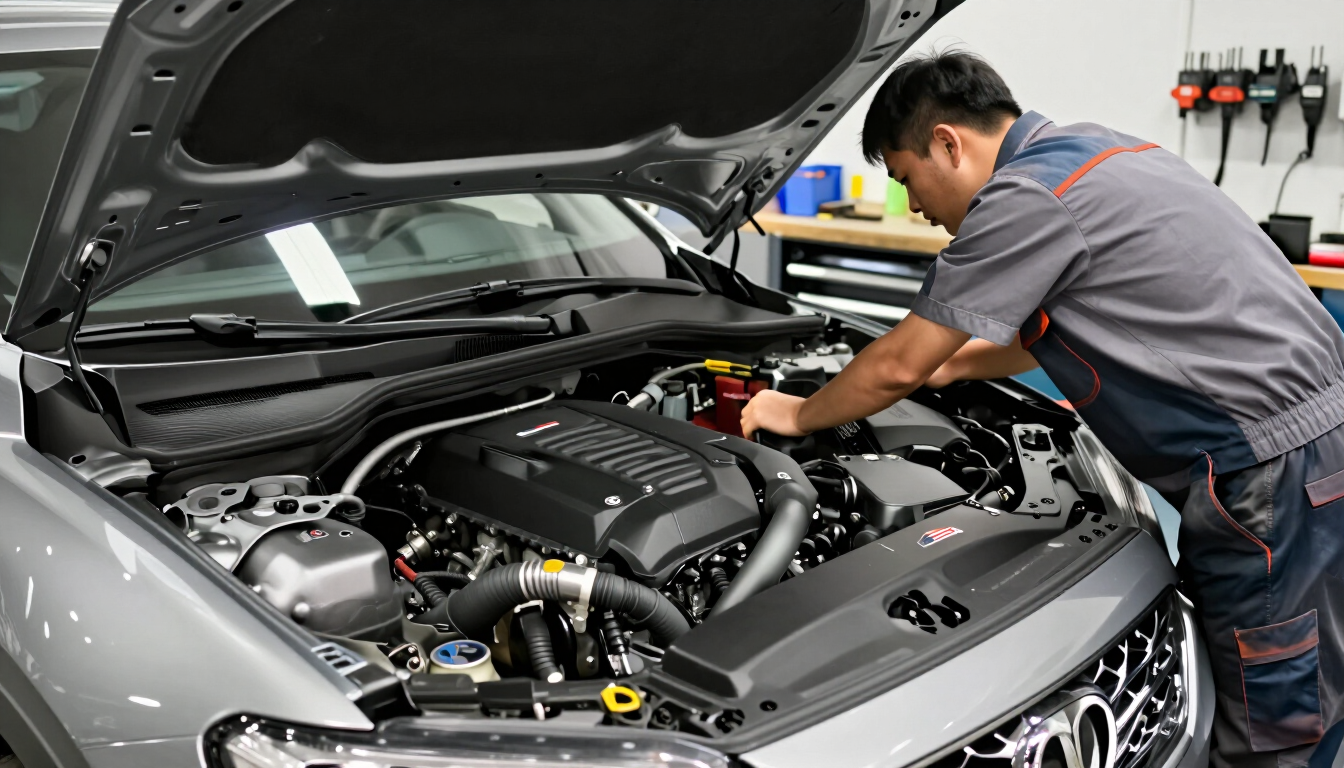
Bring your car in before the first hard freeze if you've noticed any of the warning signs above, if the level has dropped, if someone has been topping it off with water, or if you can't remember the last time the coolant was looked at. Here's what one of our ASE-certified technicians will check:
- The freeze protection of your current coolant mix
- Coolant condition, including signs of corrosion or contamination
- A pressure test to find leaks that don't show up when the car is parked
- Hoses, clamps, the radiator, and the radiator cap
- Thermostat operation and heater performance
- Any stored trouble codes if a warning light has come on
Then we'll explain what we found in plain language. That might mean a repair through our radiator repair service, a coolant service, or nothing at all. If your coolant tests fine, we'll tell you that. It's the same approach we take with all preventative maintenance: fix what needs fixing and leave alone what doesn't.
Get your coolant checked before the first hard freeze
Cold weather finds weak spots fast, and a cooling system problem is far easier to handle on a day you choose than on a frozen morning. Jeremiah's Automotive Service is family-owned, staffed by ASE-certified technicians, and backs every service with a 24-month/24,000-mile NAPA warranty. Call us or book online and we'll check your antifreeze before winter does.