How to Protect Your Car From Road Salt Before Winter in Zanesville, OH Meta
Salt trucks will be rolling before long, and every winter they leave behind something your car doesn't like: salty slush that clings to the metal parts underneath your vehicle. If you want to protect your car from road salt, fall is the time to start. Here's what salt goes after, what you can do yourself, and what a technician looks for before the season starts.
If your brake pedal feels soft or sinks toward the floor, or a red brake warning light comes on, stop driving. The same goes for a strong smell of fuel. Pull over somewhere safe, shut the engine off, and arrange a tow. Corrosion underneath a car can affect brake and fuel lines, and neither is something to nurse to the shop.
Why Road Salt Is So Hard on Your Car
Salt makes winter roads safer, but salty water speeds up rust. It gets sprayed into every gap underneath your vehicle, and it can keep working long after the snow melts. The damage happens slowly and out of sight, which is exactly why it's easy to miss until something stops working.
Drivers who cover a lot of miles on treated roads around Zanesville see more of it, since every trip adds another layer.
What Road Salt Goes After
Salt doesn't just make a car look rusty. It can affect parts that matter for safety and reliability:
- Brake lines: The metal tubes that carry brake fluid to each wheel run along the underside of the car.
- Brake components: Calipers, hardware, and parking brake parts can stick or wear unevenly when corroded.
- Fuel lines: These also run underneath the vehicle.
- Exhaust system: Pipes, mufflers, and hangers can rust through, leading to a louder exhaust or rattles.
- Suspension and steering parts: Springs, control arms, links, and their bolts all sit right where the spray hits.
- Wheels and valve stems: Corrosion where the tire seals against the wheel can cause slow leaks.
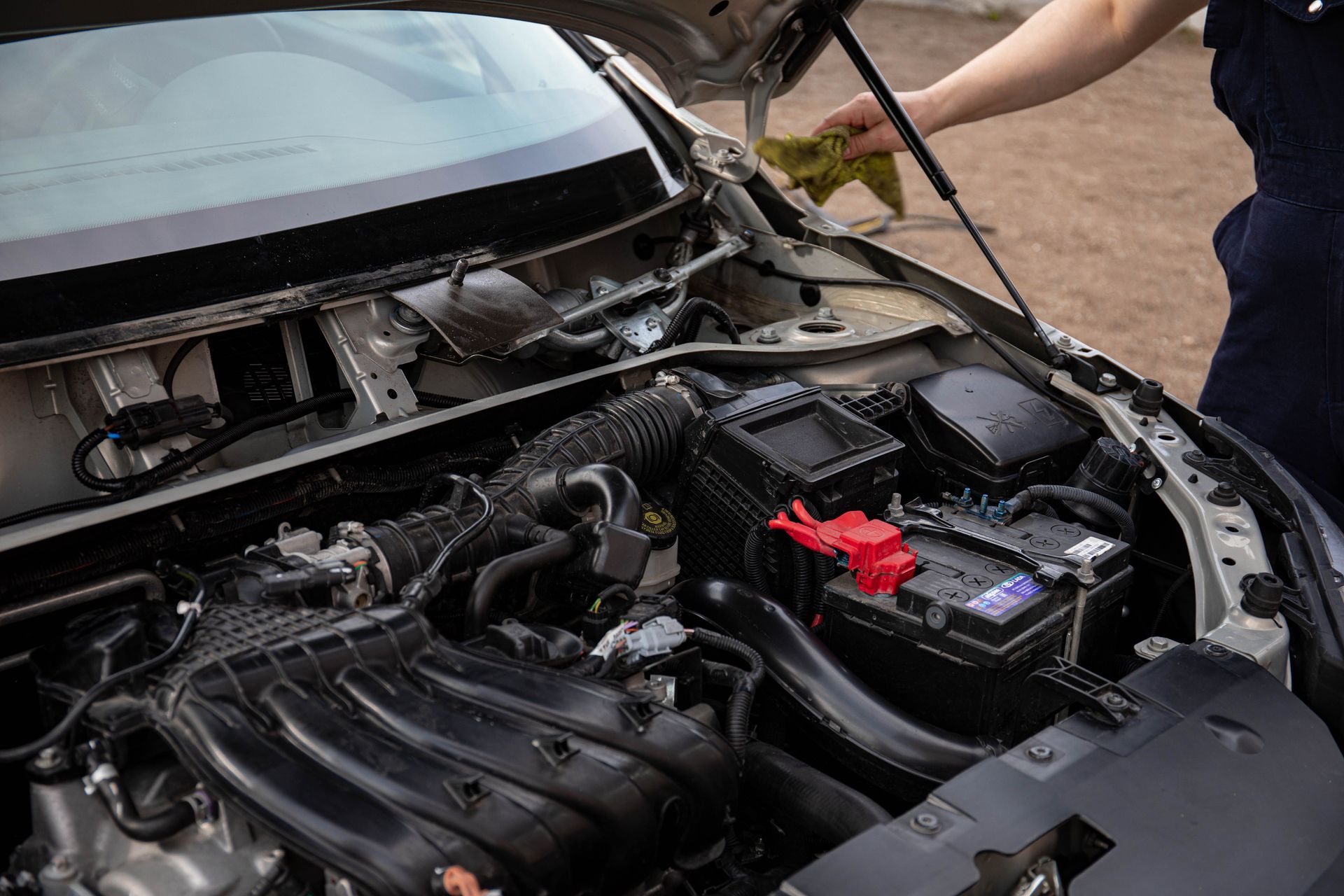
- Battery terminals and electrical connections: Corrosion can cause hard starts and electrical glitches.
Rust on body panels is a separate issue and a job for a body shop. Our focus is the mechanical parts underneath that keep you stopping, steering, and running.
Why October Is the Right Time
Fall gives you a clean starting point. Before the first salt run, the underside of your car is dry and easy to see, so existing corrosion stands out. Small issues found now are usually simpler to deal with than the same issues found in January, after they've had a few more weeks of salt.
It also gives you a baseline. Knowing what your car looked like going into winter makes it easier to spot changes in the spring.
How to Protect Your Car From Road Salt Yourself
You don't need special tools for most of this. A few habits go a long way:
- Wash the underside regularly. Choose a car wash with an underbody spray, especially after storms when the roads have been treated. Washing on a day above freezing helps the water drain and dry instead of freezing in place.
- Give it a thorough wash-down in spring. Once salt season ends, a good underbody rinse clears out what built up all winter.
- Keep your tires at the right pressure. Check monthly, using the number on the sticker inside your driver's door jamb.
- Walk around your car. Make sure all exterior lights work, and look for drips where you park.
- Keep up with your maintenance schedule. Your owner's manual lists what your car needs, and your technician can tell you what your driving actually calls for.
Signs Corrosion May Be Affecting Something
Corrosion problems can show up in many ways. None of these tells you exactly what's wrong, but all of them are worth mentioning to your technician:
- A soft or sinking brake pedal (stop driving and arrange a tow)
- A fuel smell (stop driving and arrange a tow)
- An exhaust that's suddenly louder, or rattling underneath the car
- Clunking over bumps
- A parking brake that sticks or doesn't hold
- A tire that keeps losing air
- Slow cranking or flickering electrical features
Some of these are urgent and some can wait a bit. A technician can tell you which is which once the car is on a lift.
When to Bring It In
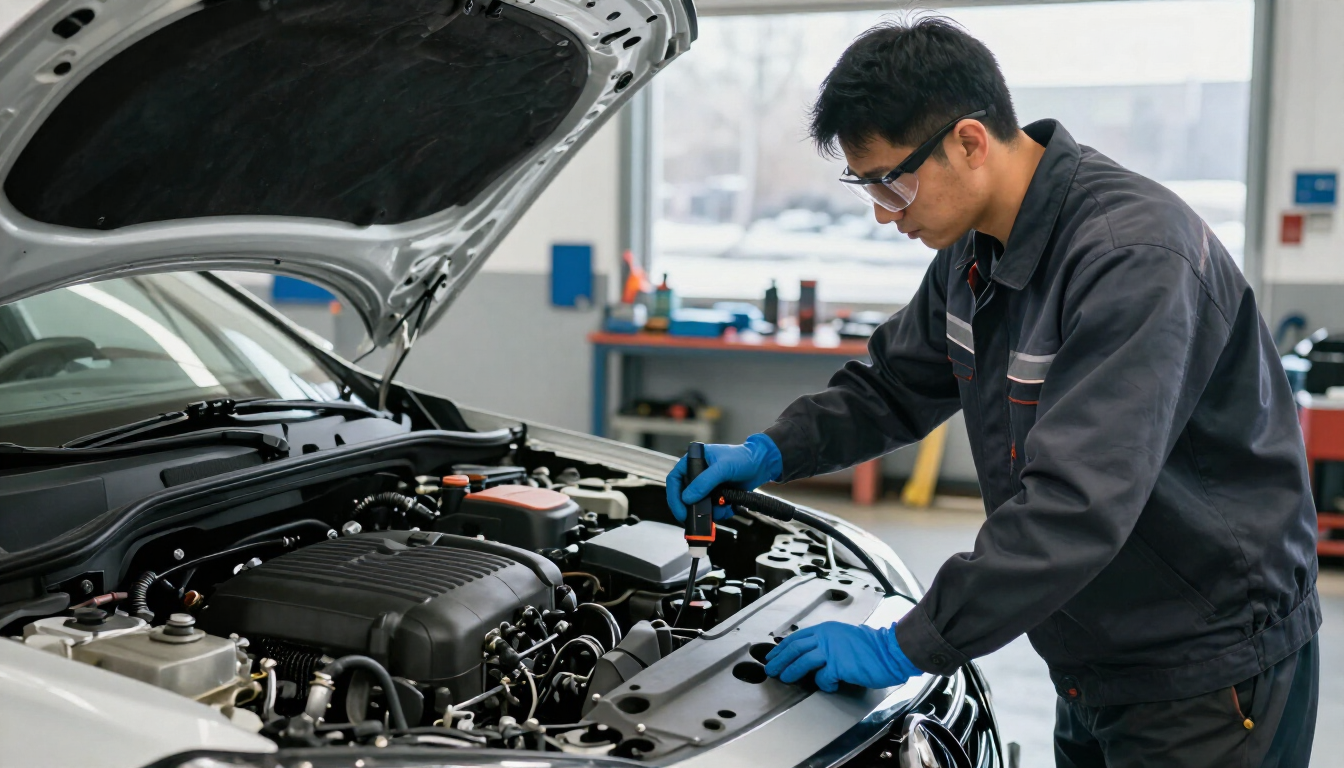
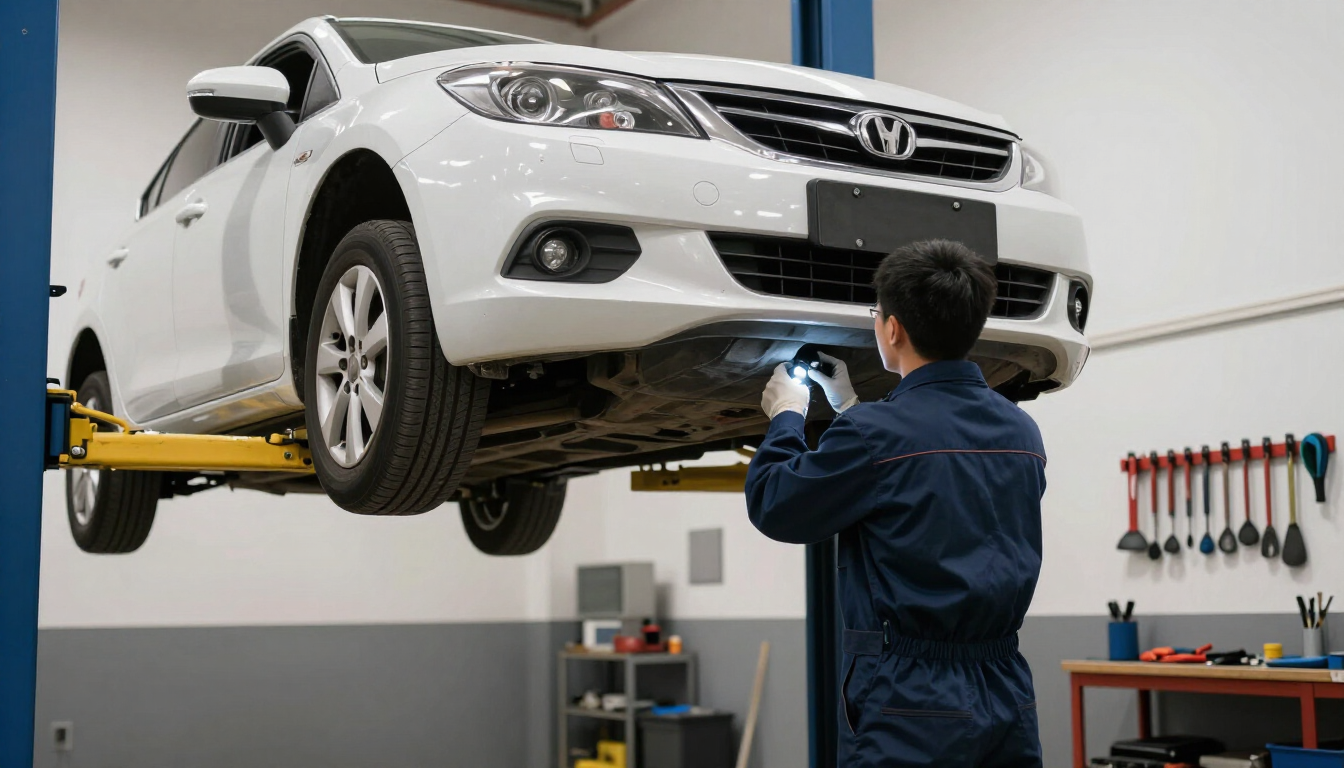
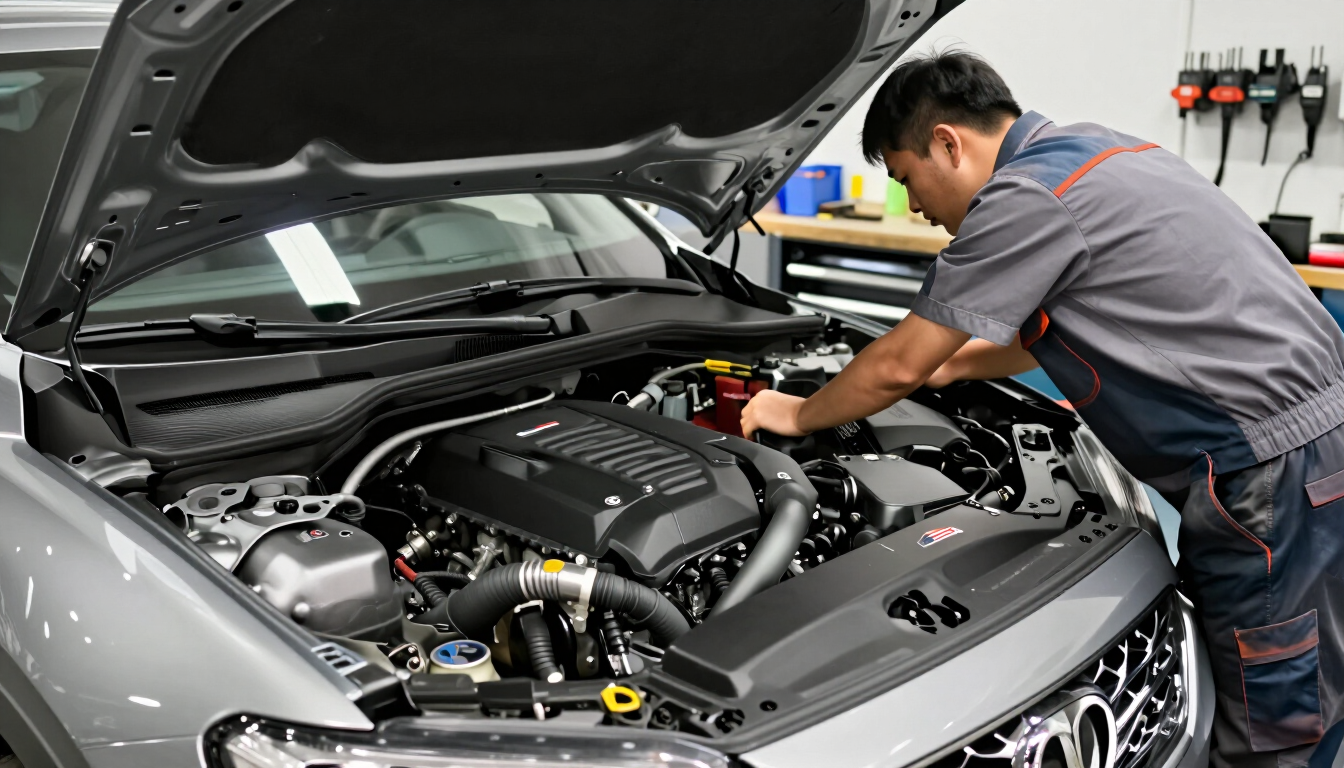
A pre-winter underbody inspection is a smart move for any car that lives through Ohio winters, especially an older one. When you bring your car in, our ASE-certified technicians will put it on a lift and check:
- Brake lines, hoses, and brake components for corrosion, leaks, and wear
- Fuel lines for corrosion or damage
- The exhaust system and its hangers
- Suspension and steering parts and their mounting points
- Tires, wheels, and valve stems
- The battery and its connections
Here's the honest truth: a lot of surface rust underneath a car is normal and cosmetic. We'll tell you what's just surface rust, what to keep an eye on, and what needs attention before winter. You'll get a plain-language explanation and a quote before any work begins.
Learn more about our preventative maintenance, brake repair, and suspension services. For more on what winter does to your car, read how Ohio weather impacts your vehicle and our list of brake problems you should never ignore.
Get Ahead of Salt Season
Jeremiah's Automotive Service is family-owned, three generations strong, and proud to serve Zanesville drivers. Every service is backed by a 24-month/24,000-mile NAPA warranty.
Call (740) 788-9222 or book your inspection online now, while the underside of your car is still dry and easy to see.