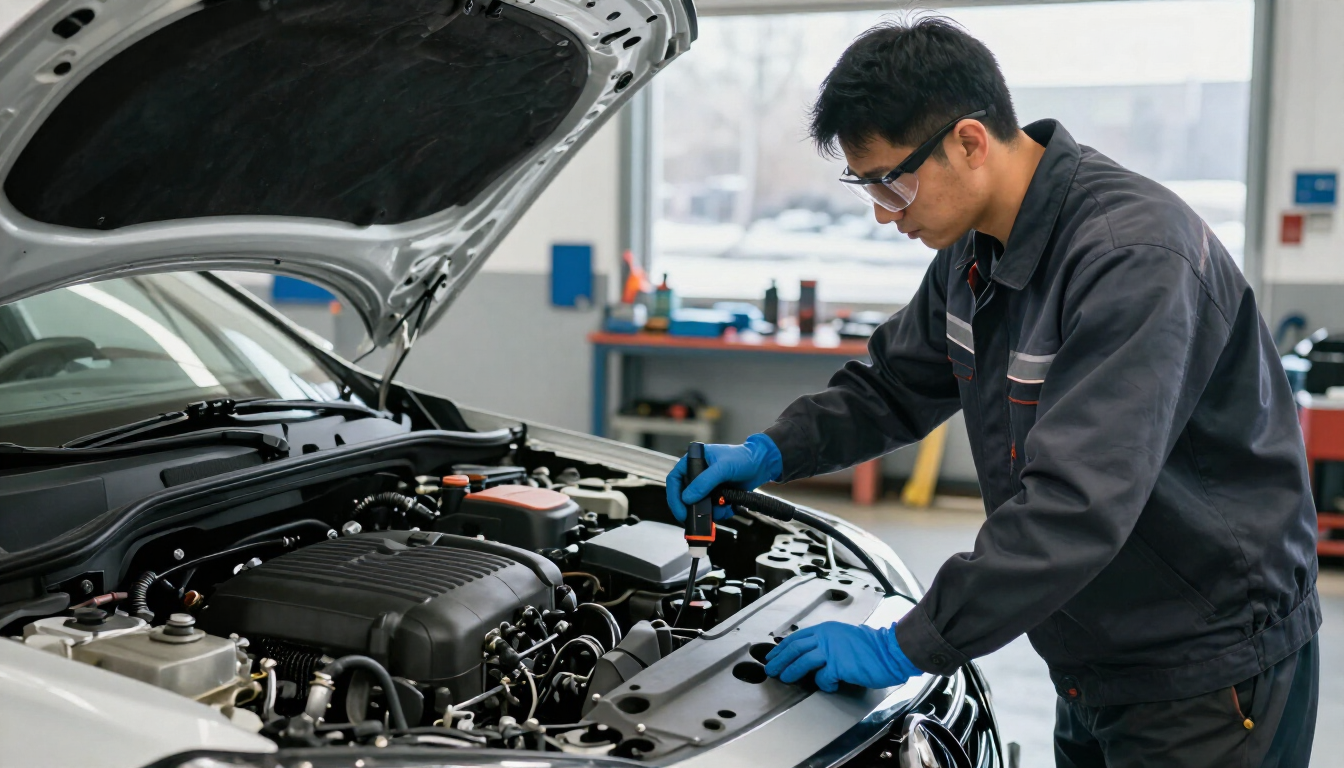
You start the car on a cold morning and the engine shakes. The idle dips and surges, the steering wheel buzzes, and for a minute it feels like it might stall. Then it warms up and runs fine. A rough idle on cold start is one of the most common things Pickerington drivers notice when temperatures drop, and it's worth understanding before it turns into a stall at a red light.
We can't tell you exactly what's wrong from a blog post, and anyone who does is guessing. What we can do is explain what you're feeling, what usually causes it, and what a real diagnosis looks like.
If your check engine light is flashing, or the engine is shaking hard and losing power, pull over somewhere safe and shut it off. A flashing check engine light generally signals a severe misfire, and driving on it can damage expensive exhaust parts. Arrange a tow instead of trying to nurse it to the shop.
Some cold-start roughness is normal
A cold engine idles faster for the first minute or so while the computer adds extra fuel and warms things up. A slightly high idle that settles down on its own is normal.
These are not normal:
- Shaking you can feel through the seat or steering wheel
- An idle that stumbles, surges, or drops low enough to nearly stall
- Stalling when you shift into gear or come to a stop
- A check engine light that comes on, stays on, or flashes
- Roughness that lasts well after the engine warms up
What to notice before you call
Cold-start problems have a habit of disappearing once the engine is warm, which is exactly the condition your car will be in after a drive to the shop. The details you notice now help a technician reproduce the problem.
- Roughly how cold it was outside when it happened
- Whether it happens on every start or only the first one of the day
- How long it takes to smooth out
- Whether it's rough in park, in gear at a stop, or both
- Whether the check engine light was off, on, or flashing
- Any smells, smoke, or unusual sounds
- Anything recent: a fill-up, a repair, a new battery, or the car sitting for several days
Write it down or record a short video on your phone. A clear description of a cold-start problem can save diagnostic time. If you can, ask about leaving the car so a technician can start it cold.
Common causes of a rough idle on cold start
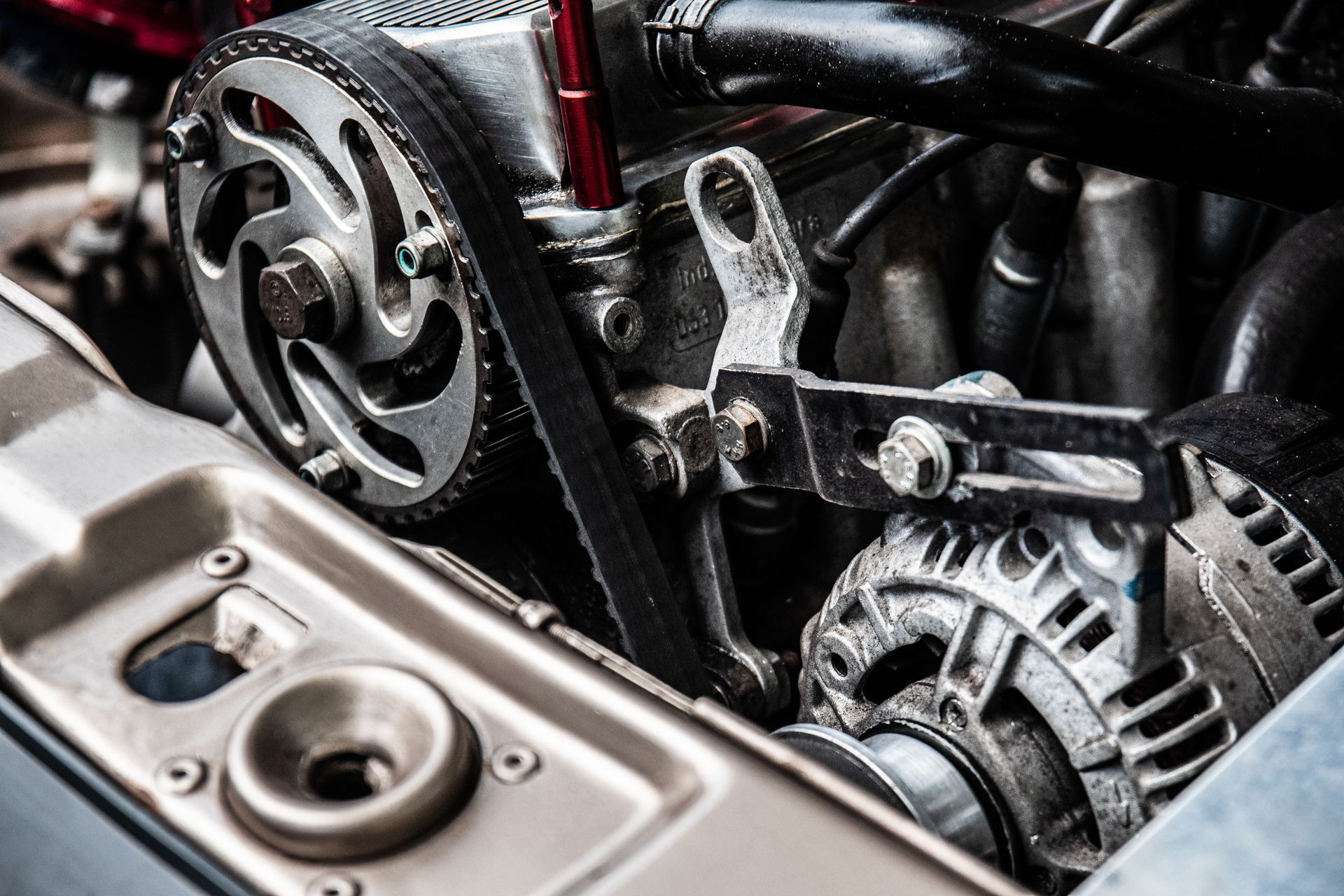
Cold air is denser, fuel doesn't vaporize as easily, and rubber parts shrink and stiffen. That puts extra demand on parts that may be slightly weak but still hold up in warmer weather. Here's the range of possibilities, starting with the more common and less involved:
| System | Possible causes | Why cold makes it worse |
|---|---|---|
| Ignition | Worn spark plugs, weak ignition coils, or plug wires | A cold engine needs a strong spark to light fuel that doesn't vaporize easily |
| Vacuum and air leaks | Cracked vacuum hoses or leaking intake gaskets | Rubber and gaskets shrink in the cold, so a small leak can be worse until the engine warms up |
| Sensors | Coolant temperature, airflow, or oxygen sensors | The computer relies on these readings to set the cold-start fuel mix, and a bad reading throws it off |
| Fuel delivery | Dirty fuel injectors, low fuel pressure, or moisture in the fuel | A cold engine needs extra fuel delivered precisely to idle smoothly |
| Throttle and idle control | Carbon buildup in the throttle body | Deposits can restrict the small amount of air the engine needs at idle |
| Engine mounts | Worn or broken mounts | Mounts stiffen in the cold, so normal engine movement comes through the car as shaking |
| Internal engine | Carbon deposits or low compression | Less common, and only confirmed with testing |
That's a long list on purpose. Several of these produce the exact same symptom, and more than one can happen at once. Some are simple fixes and a few are bigger jobs. Only testing the car tells you which one you have.
What a check engine code does and doesn't tell you
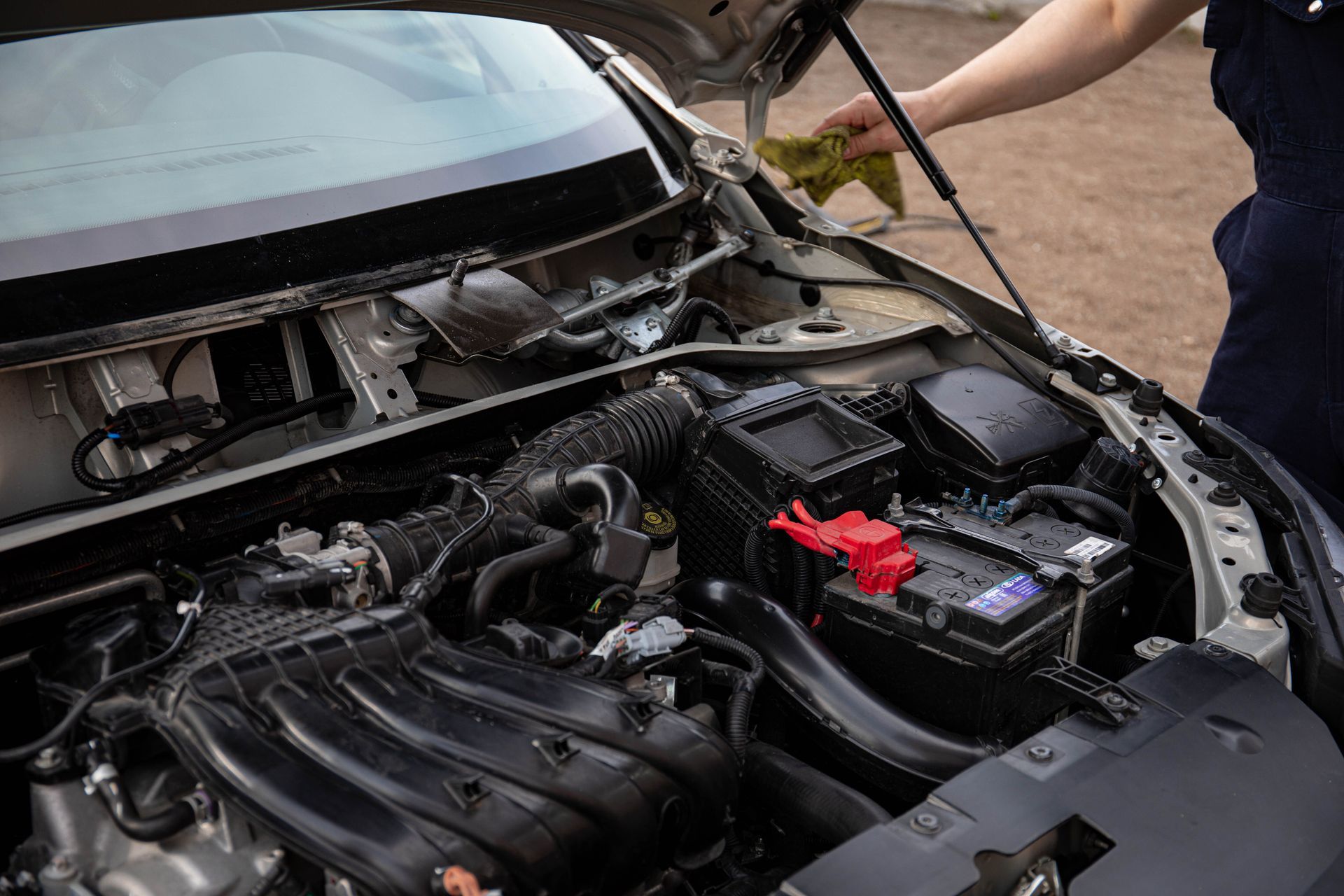
If your check engine light is on, the computer has stored a trouble code. Rough idle problems often set a code in the P0300 family, which points toward a misfire. A P0300 means the computer sees random misfires, while a code like P0301 means it sees a misfire in cylinder 1.
A code tells you what the computer noticed, not which part failed. A cylinder 1 misfire could come from a spark plug, a coil, a fuel injector, a vacuum leak near that cylinder, or a mechanical problem. Replacing parts based on a code alone is one of the most common ways drivers end up paying twice. Our post on what the check engine light means goes deeper on this.
Is it safe to drive?
- Mild roughness that clears up quickly, no warning light: generally fine to drive for now, but get it looked at soon. These problems tend to get worse as winter goes on.
- Check engine light on and steady: a yellow or amber light generally means get it checked soon rather than ignore it.
- Flashing check engine light, heavy shaking, loss of power, or stalling in traffic: stop driving and arrange a tow. A car that stalls in an intersection is a safety problem, not just a repair.
When to bring it in
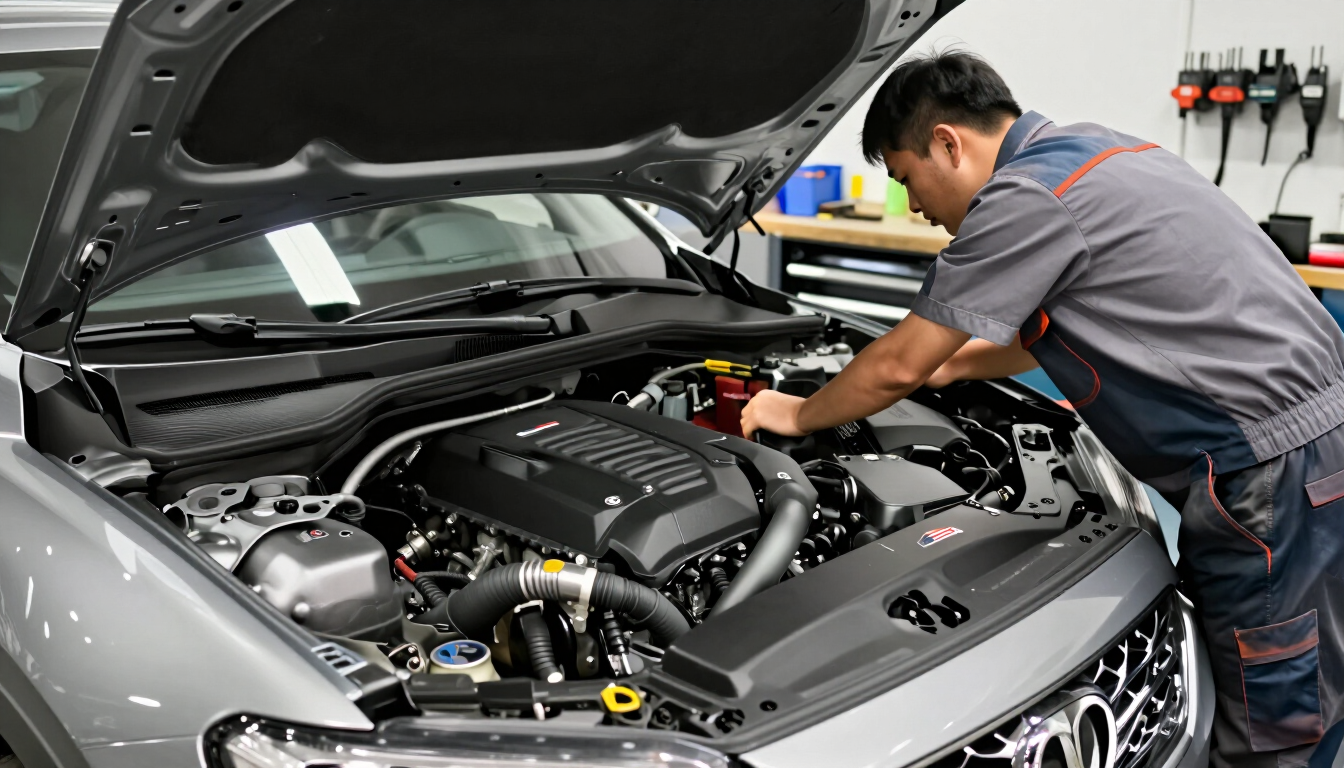
If your engine idles rough on cold mornings more than once, it's time for a diagnostic. Here's what one of our ASE-certified technicians will typically do:
- Talk with you about when the problem happens and what you've noticed
- Scan for stored codes and review live sensor data, ideally with the engine cold
- Check misfire activity cylinder by cylinder
- Inspect ignition components
- Test for vacuum and intake leaks
- Check fuel delivery and look at the engine mounts
Then we'll explain what we found and what it takes to fix, and we get your approval with a price estimate before any work begins. Learn more about our diagnostic services, what to expect from a vehicle diagnostic, and how our tune-up service handles ignition and performance issues.
Get a cold-start problem checked before it gets worse
Cold weather tends to make idle problems worse, not better, and the best time to find the cause is while the symptom is still showing up. Our ASE-certified technicians use the latest diagnostic tools to find the real cause instead of guessing, and every service is backed by our 24-month/24,000-mile NAPA warranty. Pickerington drivers can call us or book online today.