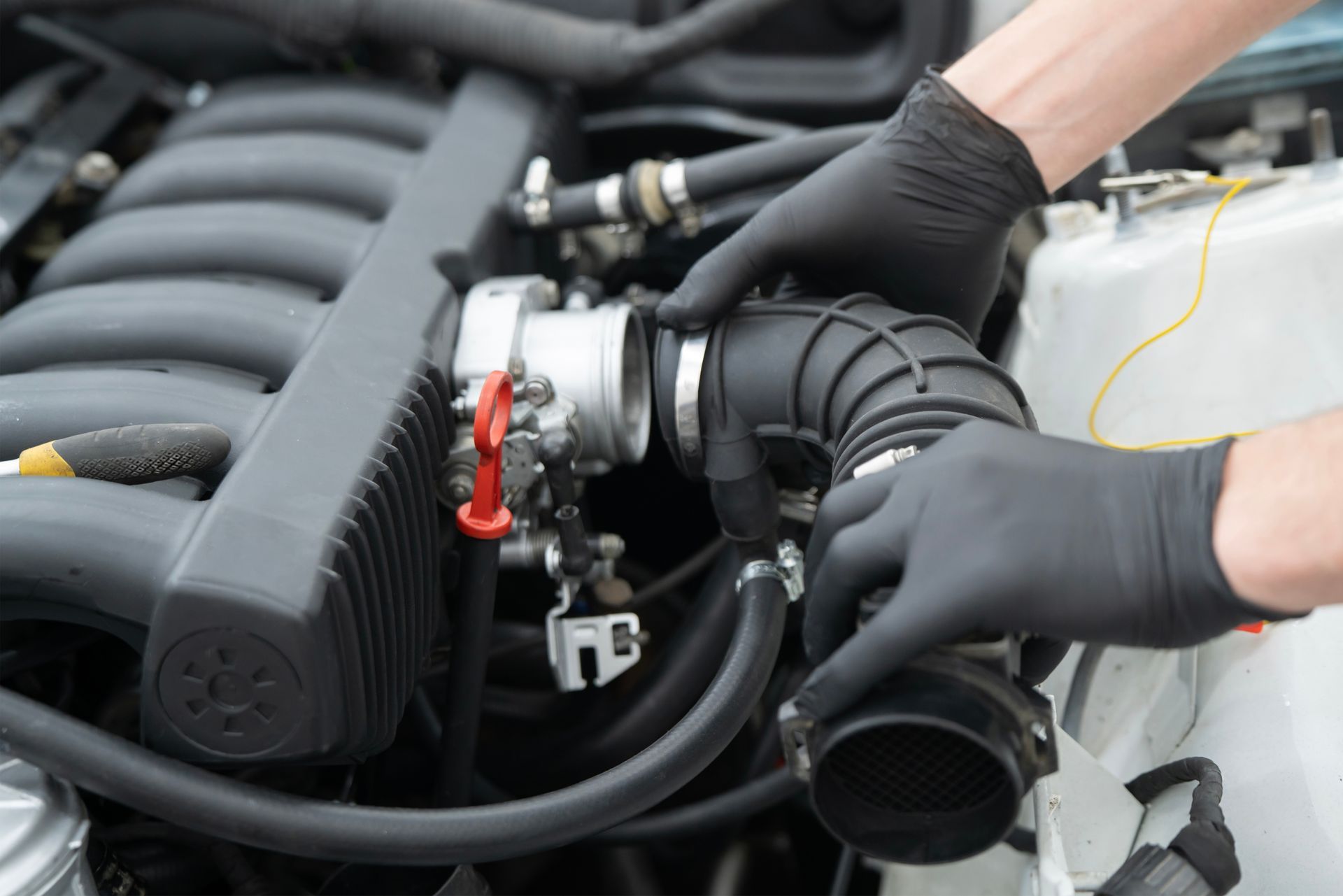
When Is It Better to Replace an Engine Instead of Buying a New Car?

When your vehicle has a serious engine problem, one of the biggest questions is whether it makes more sense to repair the engine, replace the engine, or buy another vehicle. It can feel like a major decision, especially if the repair estimate is large. For drivers in Heath, Newark, and the surrounding Licking County area, engine replacement may be a smart option when the rest of the vehicle is still in good condition.

Engine replacement is often worth considering when your vehicle is paid off, the body is solid, the interior is in good shape, and the transmission, suspension, brakes, and tires are still serviceable. In many cases, replacing an engine can cost less than buying a newer vehicle, especially when you factor in a down payment, monthly payments, higher insurance costs, registration fees, and unknown repair history on a used car.

There are several signs that your engine may have a serious issue. Knocking noises, heavy smoke from the exhaust, overheating, low compression, metal shavings in the oil, repeated misfires, or major oil consumption can all point to internal engine damage. Sometimes an engine can be repaired, but in other cases, the damage is too extensive for a simple fix.

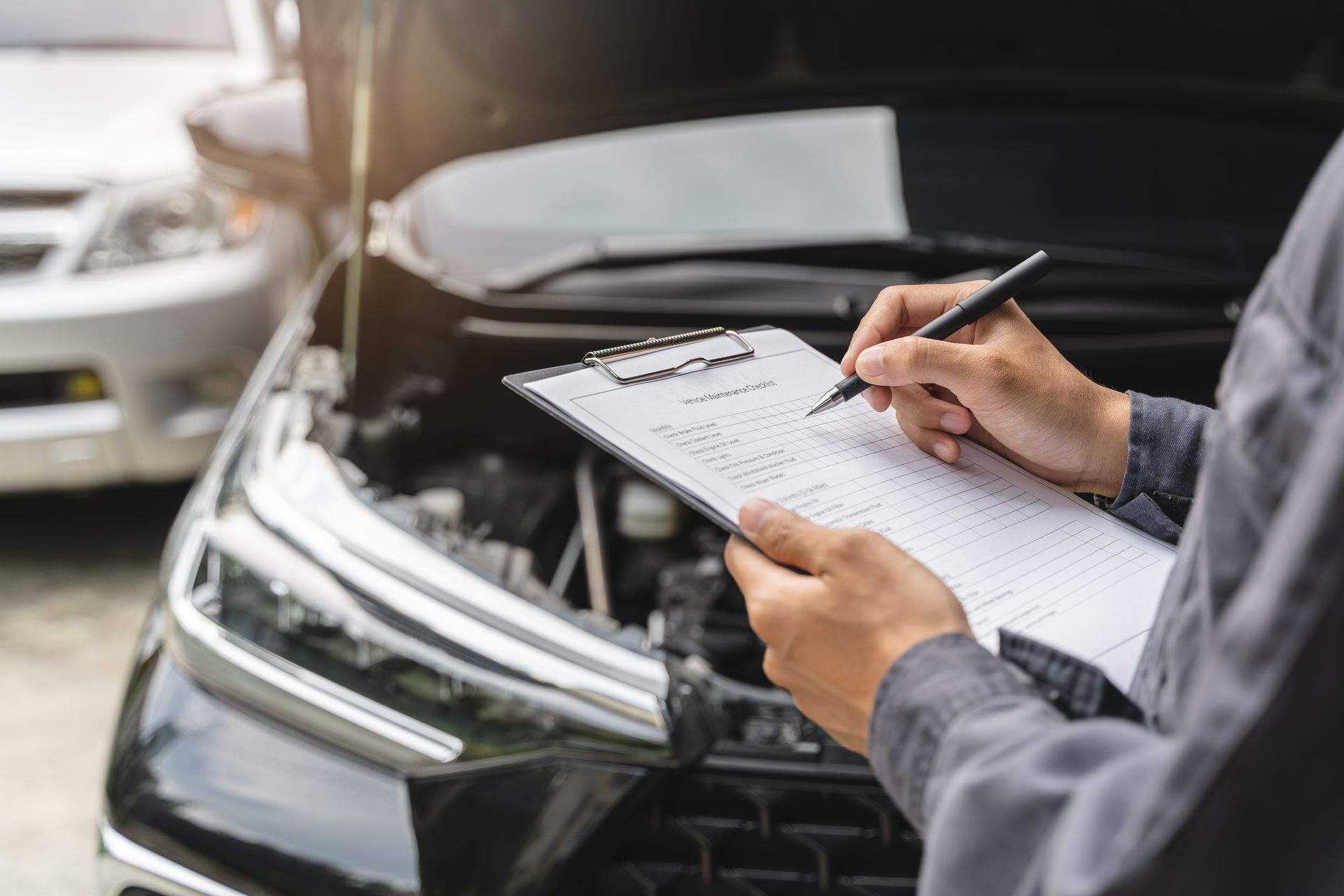
Before making a decision, it is important to have the vehicle professionally diagnosed. A check engine light or engine noise does not automatically mean you need a replacement. The issue could be something smaller, such as a sensor, ignition problem, fuel system issue, cooling system failure, or gasket leak. A proper inspection helps separate minor repairs from major engine failure.

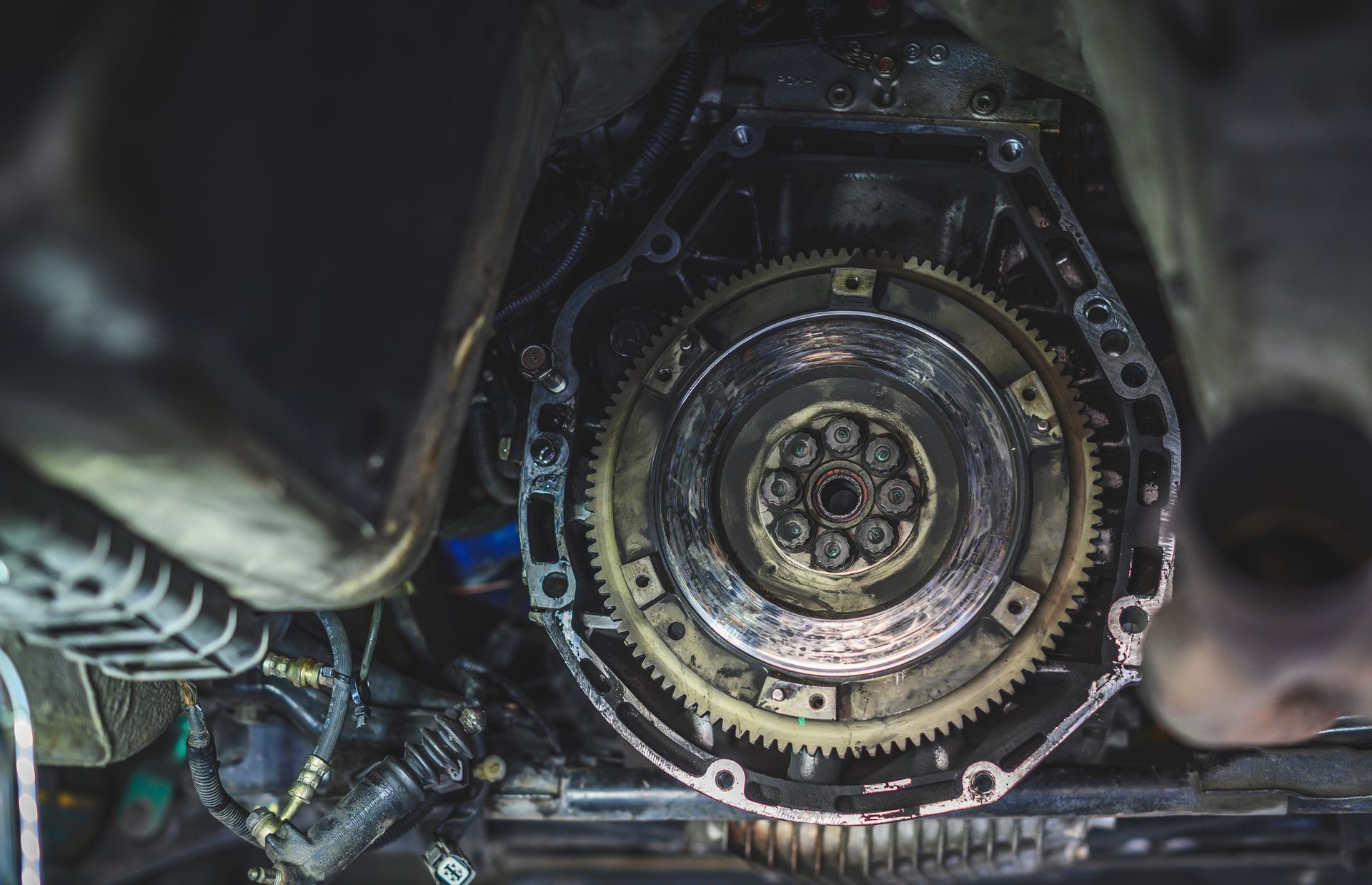
If the engine is severely damaged, the next step is comparing repair options. Rebuilding an engine may be possible, but it can involve significant labor and depends heavily on the condition of the existing engine. A replacement engine can often provide a more predictable solution, especially when it comes from a trusted supplier and is installed by experienced technicians.

Another factor is the value and reliability of your current vehicle. If the car has been dependable, fits your needs, and does not have other major problems, replacing the engine may give it many more years of service. This can be especially useful for work trucks, family vehicles, fleet vehicles, and vehicles that would be expensive to replace in today’s market.

However, engine replacement is not always the best choice. If the vehicle has major rust, transmission problems, electrical issues, failing suspension, or other expensive repairs coming soon, putting money into an engine may not be the most practical decision. A trusted repair shop can help you look at the whole vehicle, not just the engine, before deciding.

Warranty coverage is also important. When replacing an engine, ask what warranty comes with the engine and the installation. A strong warranty can provide peace of mind and help you feel more confident in the investment. Choosing the cheapest option is not always the best move when the engine is one of the most important parts of the vehicle.

At Jeremiah’s Automotive Services, drivers in Heath, Newark, and nearby Ohio communities can get professional engine diagnostics, repair recommendations, and engine replacement guidance. The goal is to help you make a smart decision based on the condition of your vehicle, the cost of repair, and your long-term needs.

If your vehicle has engine trouble and you are not sure whether to repair it, replace the engine, or move on, schedule an inspection with Jeremiah’s Automotive Services. Getting honest answers can help you avoid guessing and choose the option that makes the most sense.

By VIV Builder August 3, 2026
Keep your business moving with professional fleet maintenance. Jeremiah's Automotive Services serves fleets in Heath, Newark, and Licking County, OH.
By VIV Builder July 27, 2026
Learn why preventative maintenance helps prevent costly repairs. Jeremiah's Automotive Services keeps vehicles reliable in Heath and Newark, OH.
By VIV Builder July 20, 2026
Find the best tires for Ohio driving conditions. Learn about tire maintenance, tread wear, and replacement in Heath and Newark, OH.
By VIV Builder July 13, 2026
Learn what your check engine light means and when to seek diagnostics. Jeremiah's Automotive Services serves Heath, Newark, and Licking County, OH.
By VIV Builder July 6, 2026
Learn the most common signs you need brake repair in Heath and Newark, OH. Discover when squealing, grinding, vibration, or a soft brake pedal means it's time for service.
By VIV Builder July 1, 2026
Wondering how often to get an oil change? Learn the recommended oil change intervals for drivers in Heath and Newark, OH, and why routine maintenance protects your engine.
April 2, 2026
If you find yourself adding oil more frequently than before while driving in Heath, Ohio, it may be a sign that your vehicle is using more oil than expected. While some oil consumption can be normal, noticeable changes can indicate that something within your engine is not functioning as it should.  One possible cause is engine wear. Over time, internal components can wear down, which can affect how oil is used within the engine. This can lead to increased oil consumption. Oil leaks are another factor to consider. If oil is escaping from the engine, it can reduce the overall level and require more frequent additions. Leaks may not always be immediately visible, which is why they can go unnoticed. Burning oil is another possibility. If oil is entering the combustion chamber, it can be burned along with fuel. This may not always produce noticeable symptoms, but it can lead to increased oil usage over time. Drivers in Heath and Newark may notice changes in oil levels during regular checks or between services. Keeping an eye on oil levels can help identify changes early. If you notice that your vehicle is using more oil than usual, having it inspected can help determine the cause. Jeremiah’s Automotive provides inspections to help drivers understand what may be contributing to increased oil consumption.
April 2, 2026
If you notice unusual smells while driving your car in Heath, Ohio, it is often a sign that something is not functioning as it should. While some smells may seem minor at first, they can indicate underlying issues that may need attention. Understanding what these smells might mean can help you recognize when your vehicle should be inspected.  One of the most common smells drivers notice is a burning odor. This can be caused by a variety of factors, including overheating components or fluids coming into contact with hot surfaces. A burning smell may also be related to worn belts or other components that are experiencing friction. A sweet smell is often associated with coolant. If you notice this type of odor, it may indicate a coolant leak. Coolant plays an important role in regulating engine temperature, and leaks can lead to overheating if not addressed. A strong fuel smell is another concern. If you smell gasoline while driving or after starting your vehicle, it could indicate a problem within the fuel system. This is something that should be checked to determine the source. Musty or moldy smells can come from the air conditioning system. Moisture buildup within the system can lead to odors that become noticeable when the air is turned on. Drivers in Heath and Newark may also notice smells related to the exhaust system. While some exhaust odor is normal, strong or unusual smells may indicate an issue that should be inspected. Unusual smells are often one of the first signs that something is changing within your vehicle. Paying attention to these changes can help you recognize when your vehicle may need attention. Jeremiah’s Automotive provides inspections to help identify the source of unusual smells so drivers can better understand what is happening with their vehicle
April 1, 2026
If your vehicle no longer feels as responsive as it used to while driving in Heath or Newark, it can make everyday driving less enjoyable. A sluggish vehicle may feel slow to accelerate, less responsive, or generally underpowered. While this can develop gradually over time, it often points to underlying issues that may need attention.  One of the most common causes of reduced performance is engine efficiency. As components wear or systems become less effective, your engine may not produce the same level of power. This can make acceleration feel slower and overall performance less consistent. Fuel delivery can also impact performance. If fuel is not reaching the engine properly, it can affect how the vehicle responds when you press the gas pedal. This can create a noticeable difference in how your car drives. Air intake issues can also contribute to sluggishness. A restricted air supply can affect combustion, which in turn impacts performance. This is something that can develop over time and may not be immediately noticeable. Exhaust system restrictions can also play a role. If exhaust gases are not able to flow properly, it can affect engine performance and lead to reduced responsiveness. Drivers in Heath and Newark may notice these changes more during certain driving conditions, such as when accelerating onto highways or climbing hills. While it may seem like a gradual change, it is often worth having your vehicle inspected. Jeremiah’s Automotive provides inspections to help identify factors that may be affecting your vehicle’s performance.
March 31, 2026
When you press the gas pedal, you expect your car to respond smoothly and consistently. If your vehicle hesitates, stutters, or feels delayed when accelerating, it can be both frustrating and concerning. Drivers in Heath and Newark rely on their vehicles for merging onto highways, navigating traffic, and daily commuting, so hesitation during acceleration is something that should not be overlooked.  One of the most common causes of hesitation is related to the fuel system. Your engine requires a precise mixture of fuel and air to operate efficiently. If fuel delivery is inconsistent due to clogged injectors, a failing fuel pump, or a restricted fuel filter, it can lead to hesitation when you try to accelerate. This often feels like a delay between pressing the gas pedal and the vehicle responding. Air intake issues can also play a role. Your engine needs a steady supply of clean air to function properly. If the air filter is clogged or there are issues within the intake system, it can disrupt the balance needed for efficient combustion. This imbalance can cause hesitation or uneven acceleration. Sensor-related problems are another factor to consider. Modern vehicles rely on sensors to monitor and adjust engine performance. If a sensor is not providing accurate information, it can affect how the engine responds. This can lead to hesitation, reduced power, or inconsistent performance. Ignition system components can also contribute to hesitation. Spark plugs and ignition coils are responsible for igniting the fuel-air mixture in the engine. If these components are worn or not functioning properly, it can result in incomplete combustion, which may feel like hesitation during acceleration. Transmission performance can also impact how your vehicle accelerates. If the transmission is not shifting smoothly or responding as expected, it can create a delayed or uneven acceleration experience. Drivers in Heath and Newark may notice hesitation more in certain situations, such as when merging onto highways or accelerating from a stop. While it might seem like a minor inconvenience at first, it can affect your driving experience and may indicate an underlying issue. Addressing hesitation early can help prevent further complications. Having your vehicle inspected allows you to identify the cause and understand what steps should be taken next. Jeremiah’s Automotive provides diagnostic services to help drivers determine why their vehicle is hesitating and how to address the issue.