Why Routine Maintenance Matters for Drivers in Heath, Ohio

Taking care of your vehicle isn’t just about avoiding breakdowns. It’s about keeping it running the way it should and making sure it lasts as long as possible. In a place like Heath, Ohio, where roads face everything from harsh winter salts to hot summer asphalt, vehicle maintenance plays a bigger role than many drivers realize. Let’s break down why routine maintenance is worth your attention, what it includes, and how a trusted local shop like Jeremiah’s Automotive can help.


What is Routine Vehicle Maintenance

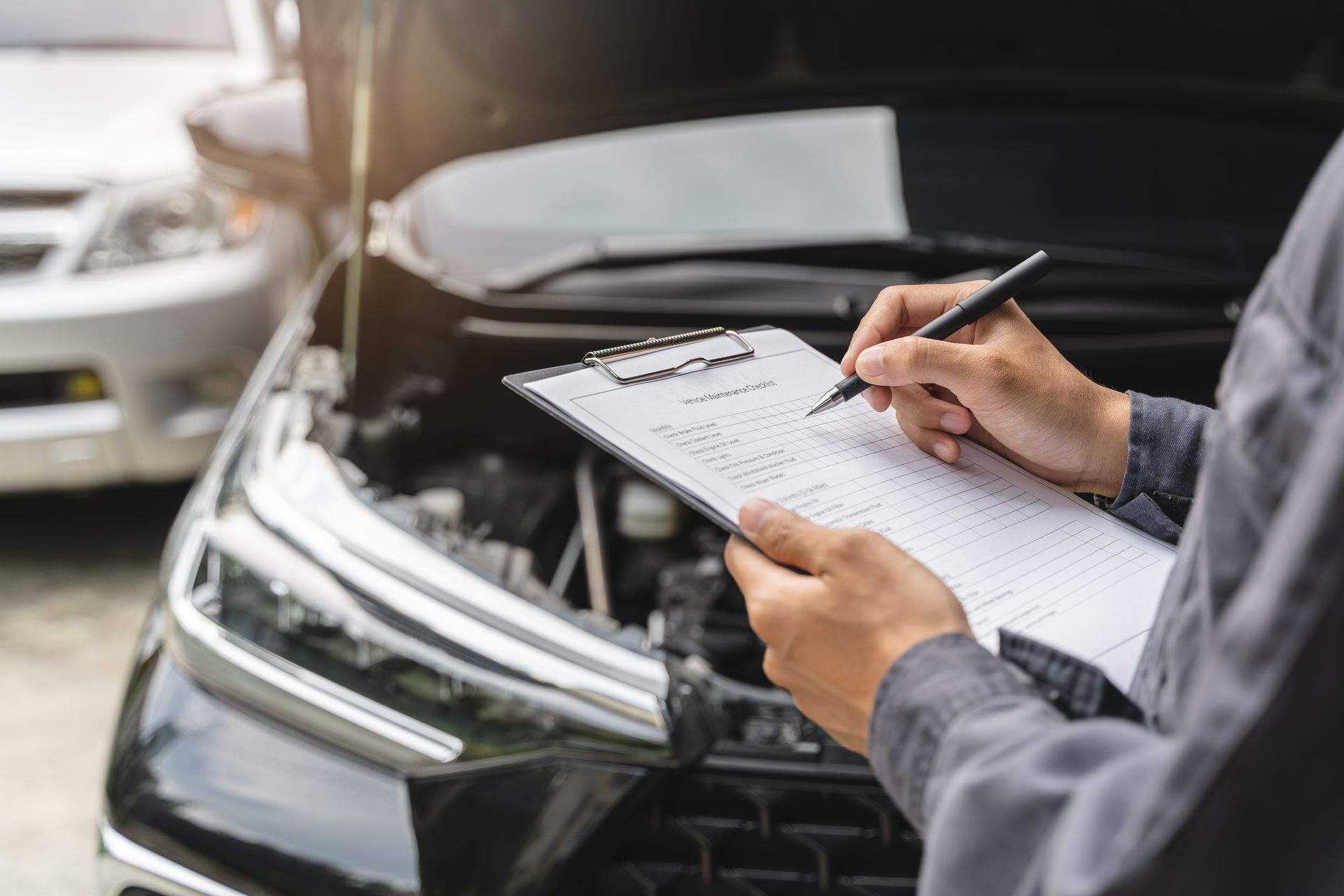
Routine maintenance is a series of checks and services done at regular intervals to keep your vehicle in good condition. It’s not about fixing things after they go wrong. It’s about making sure those things don’t happen in the first place. These services usually follow your manufacturer’s recommendations and often include oil changes, tire rotations, fluid top-offs, filter replacements, brake inspections, and more.


Each vehicle is different, so what your car needs might not be exactly the same as someone else’s. Still, most cars follow similar general schedules, especially in areas where road and weather conditions can be tough like they are in central Ohio.


Why It’s Especially Important in Heath, Ohio

Ohio drivers face a range of seasonal challenges. In the winter, road salt and cold weather put stress on your vehicle’s underbody, battery, and tires. In the summer, heat can push cooling systems and air conditioners to their limit. In the spring and fall, potholes and debris from storms can damage suspension components or throw your wheels out of alignment.


These changing conditions are why preventative maintenance matters here more than ever. A skipped oil change or ignored brake inspection might not seem like a big deal today, but small issues have a habit of becoming big problems quickly.


Heath and the nearby Newark area also have a mix of city driving and rural roads. That means your vehicle might be dealing with stop-and-go traffic one day and long stretches of uneven pavement the next. That variety means your maintenance plan shouldn’t be one-size-fits-all. It should reflect the way you actually use your car.


Oil Changes and Engine Health

Oil changes are one of the most common maintenance tasks, but they’re also one of the most essential. Your engine has a lot of moving parts, and oil keeps those parts lubricated and cool. Over time, oil breaks down and collects debris. If left unchanged, that oil becomes less effective and can eventually harm your engine.


For most vehicles, oil should be changed every three thousand to five thousand miles, but modern engines and synthetic oils may stretch that further. If you’re not sure what’s best for your car, a reputable shop like Jeremiah’s Automotive can look up the correct schedule for you.


Tire Rotations and Inspections

Rotating your tires every six thousand to eight thousand miles helps them wear more evenly. Uneven tire wear can lead to poor handling, reduced fuel efficiency, and a higher chance of blowouts.


Heath roads can be rough in certain seasons, especially after a winter of freezing and thawing that leaves behind potholes. A quick inspection during your maintenance appointment can also catch tire damage or worn treads before they become safety concerns.


Brake Checks

Your brakes are one of the most important safety features on your vehicle. Regular inspections can catch worn brake pads, low fluid, or rusting components early.


Midwestern roads mean your brakes are exposed to salt and moisture. That exposure can cause rust, especially on vehicles that don’t get driven often. Catching that early is key.


Fluid Levels and Top-Offs

Modern vehicles rely on a number of fluids to run properly, including coolant, transmission fluid, brake fluid, power steering fluid, and windshield washer fluid. Each one plays a role in keeping your car running smoothly and safely.


Neglecting fluid levels can lead to overheating, poor shifting, or even brake failure. During routine maintenance, a technician can check these levels and top them off as needed.


Filters and Clean Air

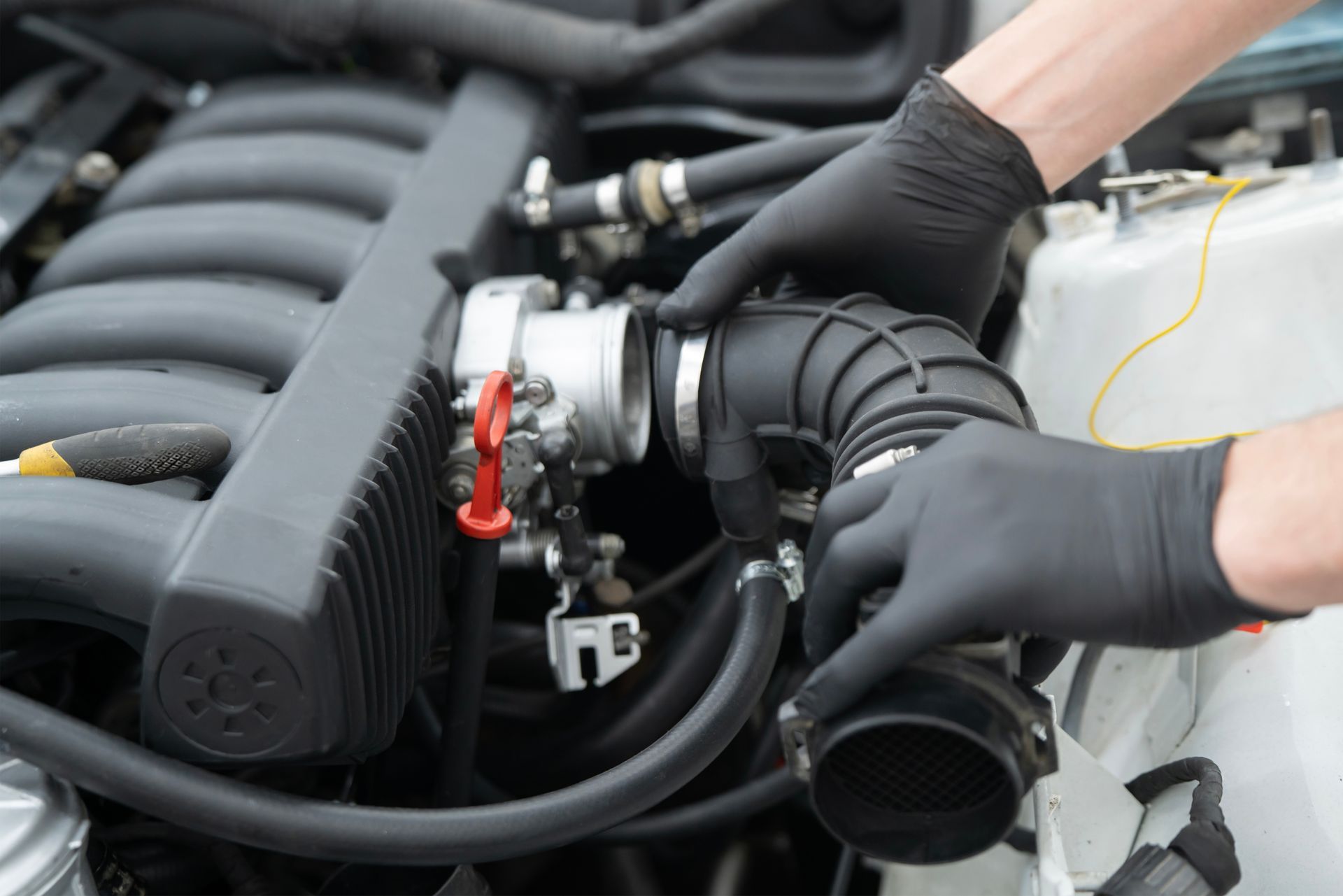
Your car has several filters that need to be changed regularly. The engine air filter helps keep dirt and debris out of your engine. The cabin air filter helps make sure the air inside your vehicle is clean. The fuel filter helps maintain clean fuel delivery to your engine.


In Ohio’s changing seasons, pollen, dust, and road debris can clog filters faster than in other places. Replacing them as part of your scheduled maintenance keeps your engine breathing easily and your cabin air clean.


Battery and Electrical System Checks

Cold Ohio winters are especially hard on car batteries. Low temperatures slow down the chemical reaction inside the battery and can make it harder for your car to start.


A quick battery test as part of your routine check can tell you if your battery is still holding a charge or if it might be time for a replacement. At the same time, your technician can check the charging system, starter, and alternator to make sure everything is working properly.


Belts, Hoses, and Other Wear Items

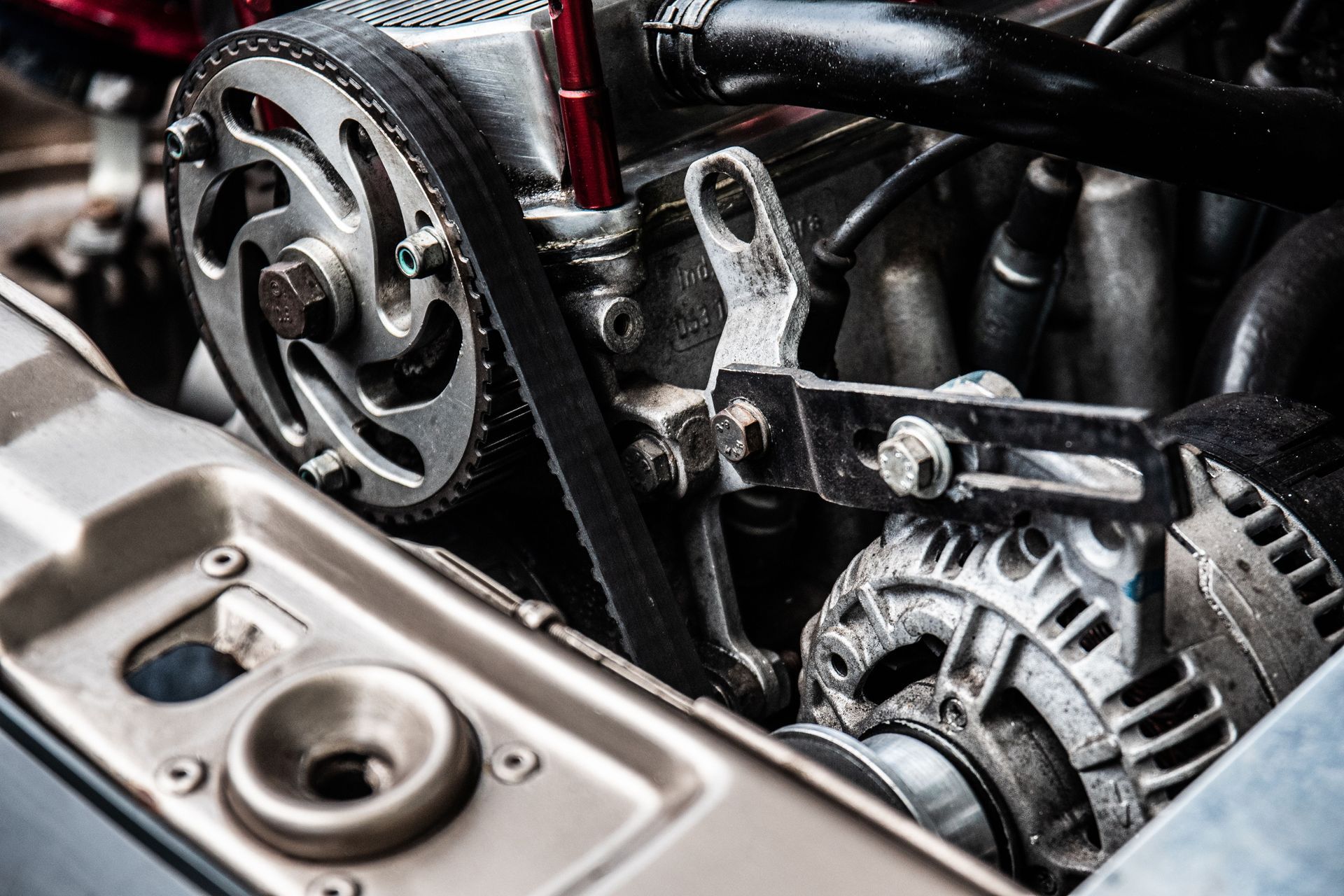
Rubber parts like belts and hoses wear out over time. Belts can crack or stretch. Hoses can become brittle or leak. These parts may not seem like a big deal, but they keep vital systems like your cooling system, power steering, and alternator running.


A good technician will inspect these during your regular visits and recommend replacements when necessary. This kind of proactive care prevents being stranded with a broken belt or overheating engine.


Alignment and Suspension

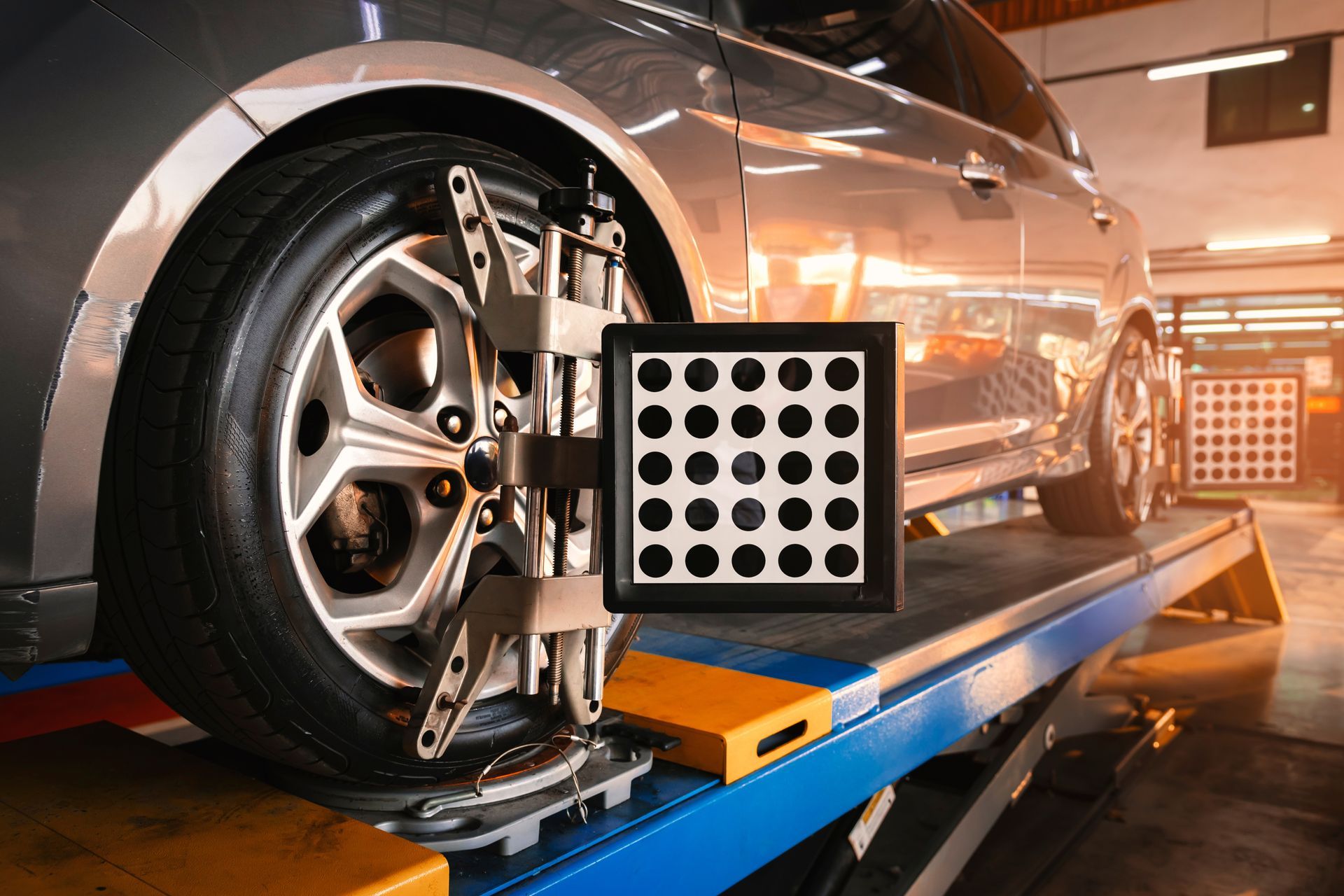
If you’ve ever felt your car pull to one side or noticed uneven tire wear, your alignment could be off. Ohio’s potholes and curbs don’t make it easy on your suspension either.


During maintenance, your tech can check your alignment and suspension components for wear or damage. Catching small issues early helps avoid bigger problems like worn-out shocks or broken suspension arms.


The Value of a Trustworthy Local Shop

Routine maintenance isn’t just about what gets done under the hood. It’s also about building a relationship with a repair shop that knows you and your vehicle. Jeremiah’s Automotive in Heath is family-owned and has been serving the area for years. That means they’ve seen just about every kind of vehicle, every kind of problem, and every kind of Ohio weather condition.


Working with a local shop means your vehicle gets the kind of attention and advice that fits your needs. It also means you can count on honest feedback about what needs to be done now and what can wait.


How Often Should You Schedule Maintenance

There’s no single answer for everyone. The best place to start is your owner’s manual. But if you’ve been skipping visits or can’t remember the last time your vehicle was inspected, it’s a good idea to schedule a check-up.


Many people in Heath schedule maintenance based on mileage or with the seasons. Getting your car looked at in the fall before winter hits or in the spring after the snow melts can help protect it from seasonal wear.


Why It Pays Off

Routine maintenance saves money in the long run. It helps prevent bigger repairs, keeps your car safer to drive, and helps maintain fuel efficiency. It’s also one of the best ways to hold onto the value of your vehicle, especially if you plan to trade it in or sell it down the road.


Plus, it gives you peace of mind. When you’re commuting to work, dropping your kids off at school, or heading out on a road trip, you want to know your car is going to get you there without problems.


Final Thought

You don’t need to know everything about cars to take good care of yours. You just need to stick with a routine and partner with a shop that knows what they’re doing. In Heath and the surrounding area, Jeremiah’s Automotive is a go-to for drivers who want reliability, transparency, and quality service.
April 2, 2026
If you find yourself adding oil more frequently than before while driving in Heath, Ohio, it may be a sign that your vehicle is using more oil than expected. While some oil consumption can be normal, noticeable changes can indicate that something within your engine is not functioning as it should.  One possible cause is engine wear. Over time, internal components can wear down, which can affect how oil is used within the engine. This can lead to increased oil consumption. Oil leaks are another factor to consider. If oil is escaping from the engine, it can reduce the overall level and require more frequent additions. Leaks may not always be immediately visible, which is why they can go unnoticed. Burning oil is another possibility. If oil is entering the combustion chamber, it can be burned along with fuel. This may not always produce noticeable symptoms, but it can lead to increased oil usage over time. Drivers in Heath and Newark may notice changes in oil levels during regular checks or between services. Keeping an eye on oil levels can help identify changes early. If you notice that your vehicle is using more oil than usual, having it inspected can help determine the cause. Jeremiah’s Automotive provides inspections to help drivers understand what may be contributing to increased oil consumption.
April 2, 2026
If you notice unusual smells while driving your car in Heath, Ohio, it is often a sign that something is not functioning as it should. While some smells may seem minor at first, they can indicate underlying issues that may need attention. Understanding what these smells might mean can help you recognize when your vehicle should be inspected.  One of the most common smells drivers notice is a burning odor. This can be caused by a variety of factors, including overheating components or fluids coming into contact with hot surfaces. A burning smell may also be related to worn belts or other components that are experiencing friction. A sweet smell is often associated with coolant. If you notice this type of odor, it may indicate a coolant leak. Coolant plays an important role in regulating engine temperature, and leaks can lead to overheating if not addressed. A strong fuel smell is another concern. If you smell gasoline while driving or after starting your vehicle, it could indicate a problem within the fuel system. This is something that should be checked to determine the source. Musty or moldy smells can come from the air conditioning system. Moisture buildup within the system can lead to odors that become noticeable when the air is turned on. Drivers in Heath and Newark may also notice smells related to the exhaust system. While some exhaust odor is normal, strong or unusual smells may indicate an issue that should be inspected. Unusual smells are often one of the first signs that something is changing within your vehicle. Paying attention to these changes can help you recognize when your vehicle may need attention. Jeremiah’s Automotive provides inspections to help identify the source of unusual smells so drivers can better understand what is happening with their vehicle
April 1, 2026
If your vehicle no longer feels as responsive as it used to while driving in Heath or Newark, it can make everyday driving less enjoyable. A sluggish vehicle may feel slow to accelerate, less responsive, or generally underpowered. While this can develop gradually over time, it often points to underlying issues that may need attention.  One of the most common causes of reduced performance is engine efficiency. As components wear or systems become less effective, your engine may not produce the same level of power. This can make acceleration feel slower and overall performance less consistent. Fuel delivery can also impact performance. If fuel is not reaching the engine properly, it can affect how the vehicle responds when you press the gas pedal. This can create a noticeable difference in how your car drives. Air intake issues can also contribute to sluggishness. A restricted air supply can affect combustion, which in turn impacts performance. This is something that can develop over time and may not be immediately noticeable. Exhaust system restrictions can also play a role. If exhaust gases are not able to flow properly, it can affect engine performance and lead to reduced responsiveness. Drivers in Heath and Newark may notice these changes more during certain driving conditions, such as when accelerating onto highways or climbing hills. While it may seem like a gradual change, it is often worth having your vehicle inspected. Jeremiah’s Automotive provides inspections to help identify factors that may be affecting your vehicle’s performance.
March 31, 2026
When you press the gas pedal, you expect your car to respond smoothly and consistently. If your vehicle hesitates, stutters, or feels delayed when accelerating, it can be both frustrating and concerning. Drivers in Heath and Newark rely on their vehicles for merging onto highways, navigating traffic, and daily commuting, so hesitation during acceleration is something that should not be overlooked.  One of the most common causes of hesitation is related to the fuel system. Your engine requires a precise mixture of fuel and air to operate efficiently. If fuel delivery is inconsistent due to clogged injectors, a failing fuel pump, or a restricted fuel filter, it can lead to hesitation when you try to accelerate. This often feels like a delay between pressing the gas pedal and the vehicle responding. Air intake issues can also play a role. Your engine needs a steady supply of clean air to function properly. If the air filter is clogged or there are issues within the intake system, it can disrupt the balance needed for efficient combustion. This imbalance can cause hesitation or uneven acceleration. Sensor-related problems are another factor to consider. Modern vehicles rely on sensors to monitor and adjust engine performance. If a sensor is not providing accurate information, it can affect how the engine responds. This can lead to hesitation, reduced power, or inconsistent performance. Ignition system components can also contribute to hesitation. Spark plugs and ignition coils are responsible for igniting the fuel-air mixture in the engine. If these components are worn or not functioning properly, it can result in incomplete combustion, which may feel like hesitation during acceleration. Transmission performance can also impact how your vehicle accelerates. If the transmission is not shifting smoothly or responding as expected, it can create a delayed or uneven acceleration experience. Drivers in Heath and Newark may notice hesitation more in certain situations, such as when merging onto highways or accelerating from a stop. While it might seem like a minor inconvenience at first, it can affect your driving experience and may indicate an underlying issue. Addressing hesitation early can help prevent further complications. Having your vehicle inspected allows you to identify the cause and understand what steps should be taken next. Jeremiah’s Automotive provides diagnostic services to help drivers determine why their vehicle is hesitating and how to address the issue.
March 30, 2026
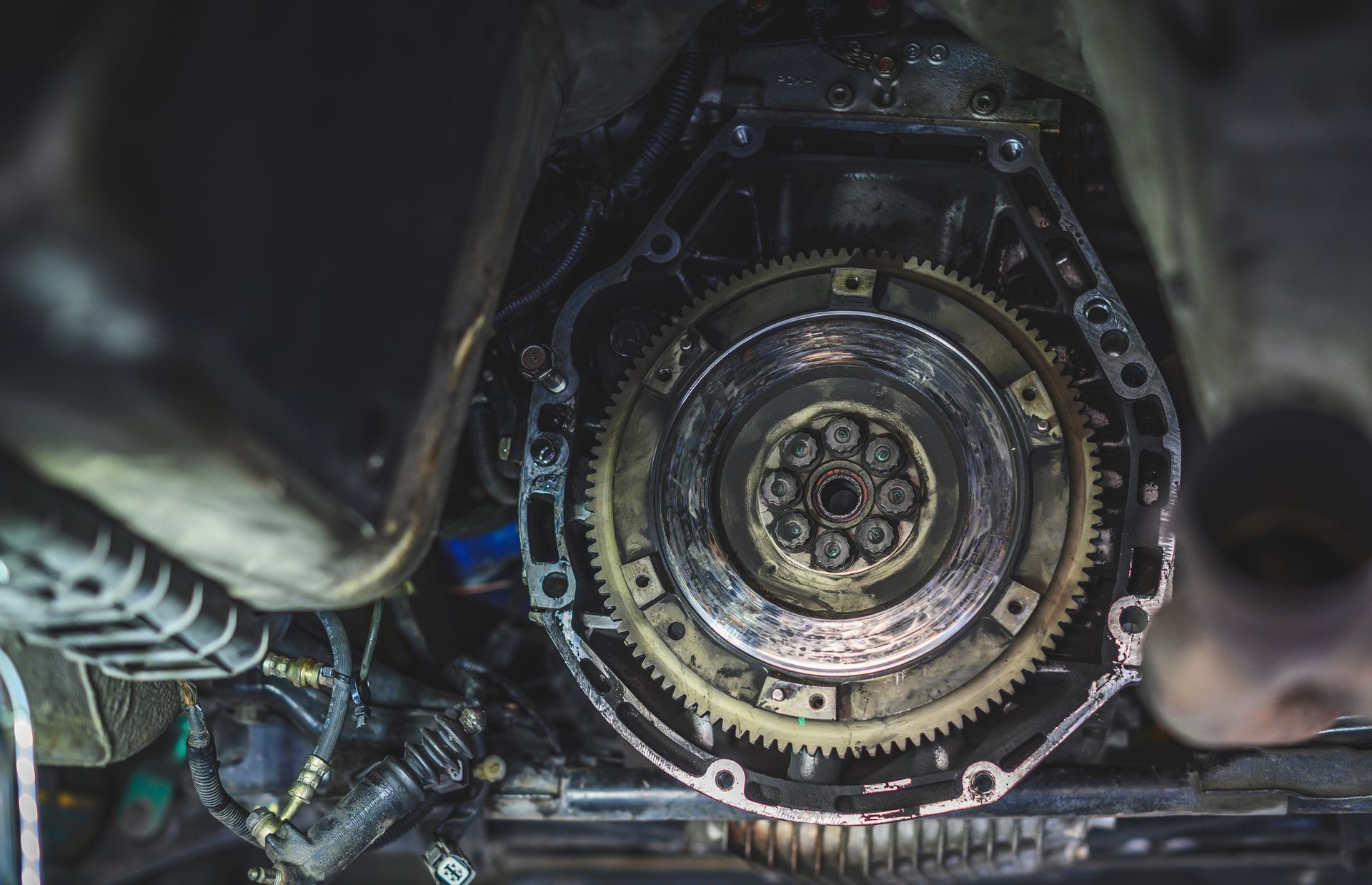
If you are driving around Heath, Ohio or heading through Newark and suddenly hear a grinding noise coming from your vehicle, it is not something to ignore. Grinding sounds are one of the clearest indicators that something is wearing down or already damaged. Unlike some minor noises that come and go, grinding typically points to metal components making contact where they should not be, which can lead to further wear if not addressed.  One of the most common causes of grinding is related to your brakes. Brake pads are designed to wear down over time, and when they become too thin, the metal backing can begin to make contact with the rotors. This is what creates that harsh grinding sound when you press the brake pedal. Many brake pads are designed with indicators that create noise before this point, but if those early signs are missed, grinding is often the next stage. Once this happens, it is not just about replacing brake pads anymore, as the rotors may also need attention. Grinding noises are not limited to braking. You may also hear grinding when shifting gears or while the vehicle is in motion. In these cases, it could be related to the transmission. Transmission components rely on smooth engagement to shift gears properly, and when there is wear or lack of lubrication, grinding can occur. This type of issue can feel different than brake-related grinding and may be accompanied by hesitation or difficulty shifting. Wheel bearings can also be a source of grinding sounds. These components allow your wheels to rotate smoothly, and when they begin to wear out, they can produce a grinding or growling noise. This sound often becomes more noticeable as you increase speed and may change depending on how you turn the steering wheel. Another area to consider is the drivetrain. Components such as axles and joints can wear over time, especially with regular use and varying road conditions. When these parts begin to fail, they can produce grinding or clicking noises that become more noticeable during acceleration or turning. Drivers in Heath and Newark may also encounter debris-related grinding. Sometimes small rocks or debris can become lodged between components, such as between the brake rotor and backing plate. While this may not indicate long-term damage, it can still create a grinding sound that should be checked. The key takeaway is that grinding noises are rarely something that resolves on their own. In most cases, they indicate wear that will continue to progress if left unaddressed. What might start as a repair involving one component can expand to involve additional parts if the issue is not handled early. For drivers in Heath, Ohio, recognizing grinding noises as a sign that something needs attention can help avoid further complications. Having your vehicle inspected allows you to understand the source of the noise and determine what steps should be taken next. Jeremiah’s Automotive provides inspections for drivers experiencing grinding noises so the cause can be identified and addressed appropriately.
March 30, 2026
Your suspension system plays a key role in how your vehicle handles and how comfortable your ride feels. Drivers in Heath, Ohio often encounter varying road conditions, and over time, suspension components can wear down. Recognizing when your suspension may need attention can help maintain stability and control.  One sign to watch for is a rough or bouncy ride. If your vehicle does not absorb bumps as smoothly as it used to, it could indicate that shocks or struts are wearing out. This can make driving less comfortable and affect handling. Another sign is uneven tire wear. Suspension issues can cause your tires to wear unevenly, which can impact performance and require earlier replacement. If your vehicle dips forward when braking or leans excessively when turning, it may point to suspension wear. These changes in handling can affect how your vehicle responds during everyday driving. Noises such as clunking or knocking when driving over bumps can also indicate suspension issues. These sounds often suggest that components are loose or worn. Drivers in Heath and Newark may notice these signs gradually, which can make them easy to overlook at first. Over time, however, they can become more noticeable. Having your suspension checked can help identify any worn components and ensure your vehicle continues to handle as it should. Jeremiah’s Automotive provides inspections to help drivers understand the condition of their suspension system.
March 27, 2026
If you have noticed that you are filling up your gas tank more often than usual while driving around Heath or Newark, it may be a sign that your vehicle is not operating as efficiently as it should. Fuel efficiency can change over time due to a variety of factors, and while some changes are gradual, others can become noticeable more quickly.  One common cause of reduced fuel efficiency is engine performance issues. When your engine is not running as efficiently as it should, it may use more fuel to produce the same level of performance. This can be related to sensors, fuel delivery, or air intake systems. Tire pressure also plays a role in fuel efficiency. Underinflated tires create more resistance as they roll, which can cause your vehicle to use more fuel. Drivers in Ohio may experience fluctuations in tire pressure due to temperature changes, which can impact efficiency. Driving habits can also influence fuel consumption. Frequent stops, rapid acceleration, and short trips can all contribute to lower fuel efficiency. While some of these factors are part of daily driving, they can still impact how often you need to refuel. Clogged filters can also affect performance. Air filters and fuel filters help regulate the flow of air and fuel into your engine. When they become restricted, it can impact how efficiently your engine operates. Vehicle weight is another factor. Carrying additional weight in your vehicle can increase fuel consumption, especially over time. If you notice a consistent drop in fuel efficiency, it may be worth having your vehicle inspected. For drivers in Heath and Newark, Jeremiah’s Automotive can help identify potential causes and provide insight into your vehicle’s performance.
March 27, 2026
Living in Heath, Ohio means experiencing a wide range of weather conditions throughout the year. From cold winters and snow to warm summers and humidity, these changes can have a noticeable impact on your vehicle’s performance. While your car is designed to handle different environments, the combination of temperature changes, road conditions, and seasonal factors can contribute to wear over time.  Cold weather is one of the most noticeable factors. Low temperatures can affect your battery’s ability to produce power, which is why many drivers experience starting issues during winter months. Fluids can also thicken in colder conditions, which can impact how smoothly your engine operates when starting up. Road salt is another factor that drivers in Heath and Newark encounter during winter. While it helps improve traction on icy roads, it can also contribute to corrosion over time. Components underneath your vehicle can be affected, especially if salt buildup is not addressed. As temperatures rise, different challenges emerge. Heat can impact your cooling system, making it important for components like the radiator and coolant to function properly. Long drives during warmer months can place additional stress on your vehicle, especially if it is not regularly maintained. Humidity can also play a role, particularly when it comes to electrical components and air conditioning systems. Moisture can affect certain parts over time, leading to performance changes. Seasonal transitions are another time when drivers may notice changes. Moving from cold to warm weather or vice versa can reveal issues that were not noticeable before. For example, a battery that struggled during winter may perform differently in warmer temperatures. Understanding how weather impacts your vehicle can help you stay aware of potential changes in performance. For drivers in Heath and Newark, having your vehicle inspected as seasons change can help identify any concerns. Jeremiah’s Automotive provides services that allow drivers to keep their vehicles operating as conditions change throughout the year.
March 26, 2026
If you find yourself constantly adjusting the steering wheel to keep your car straight while driving in Heath or Newark, it is a sign that something is not quite right. A vehicle should track straight without needing constant correction, and when it starts pulling to one side, it can make driving more difficult and less predictable.  One of the most common reasons for this issue is wheel alignment. Over time, normal driving conditions can cause your wheels to shift out of alignment. This can happen gradually or after hitting potholes, curbs, or uneven road surfaces. When your wheels are not aligned properly, it affects how your tires make contact with the road, which can cause your vehicle to pull in one direction. Tire pressure can also play a role. If one tire has significantly lower pressure than the others, it can cause uneven rolling resistance, which may lead to pulling. This is something drivers in Ohio may notice more frequently due to temperature changes that affect tire pressure. Brake issues can also cause pulling, particularly if one side of the braking system is not functioning as it should. For example, if a brake caliper is sticking, it can cause uneven braking force, which may result in the vehicle pulling when you slow down. Suspension problems are another factor to consider. Components within the suspension system help maintain stability and control. If these components become worn or damaged, it can affect how your vehicle handles and lead to pulling. Road conditions can sometimes contribute to the feeling of pulling, especially on roads with a natural slope for drainage. However, if the issue is consistent across different roads and driving conditions, it is likely related to your vehicle rather than the road itself. Ignoring this issue can lead to uneven tire wear and reduced handling performance over time. Addressing it early can help maintain a smoother and more controlled driving experience. Drivers in Heath and Newark can have their vehicle inspected at Jeremiah’s Automotive to determine the cause of pulling and understand what steps should be taken next.
March 25, 2026
If you have ever been driving through Heath, Ohio or heading toward Newark and noticed your car starting to shake, it can be both frustrating and concerning. A smooth driving experience is something most drivers expect, so when vibrations or shaking begin, it is usually a sign that something is not functioning the way it should. While some causes are relatively minor, others can point to issues that need attention sooner rather than later.  One of the most common reasons a vehicle shakes is tire-related problems. Tires that are unbalanced can cause noticeable vibrations, especially at higher speeds. This often feels like a steady shaking in the steering wheel or throughout the vehicle once you reach a certain speed range. Over time, tires naturally wear down, and even slight imbalances can become more noticeable. Road conditions in Heath and surrounding areas, including potholes or uneven pavement, can also contribute to tire issues. Alignment problems are another factor that can lead to shaking. When your wheels are not aligned properly, it affects how your vehicle tracks on the road. This can cause uneven tire wear, which then leads to vibrations while driving. Many drivers do not notice alignment issues right away, but over time the effects become more obvious, especially when driving at highway speeds or when letting go of the steering wheel briefly to see how the car tracks. Brake-related issues can also cause shaking, particularly when slowing down. If you feel vibration when pressing the brake pedal, it is often a sign that the brake rotors may be worn or warped. This can develop over time due to heat and normal wear. Drivers in Heath and Newark who deal with stop and go traffic may notice this more frequently. Suspension components can also contribute to shaking. Parts like shocks, struts, and other suspension elements help keep your vehicle stable and absorb impact from the road. As these components wear down, they may not perform as effectively, which can lead to a rougher driving experience and noticeable vibrations. Another potential cause is engine-related issues. If the shaking occurs while your vehicle is idling or accelerating rather than at a consistent speed, it may point to engine performance concerns. This could involve spark plugs, fuel delivery, or other components that affect how smoothly your engine runs. It is also important to consider wheel damage. Bent wheels can occur from hitting potholes or curbs, and even slight damage can lead to noticeable shaking. Because this damage is not always visible at a glance, it often requires inspection to confirm. Ignoring shaking while driving can lead to additional wear on your vehicle and may impact safety over time. What starts as a small vibration can develop into a larger issue if the underlying cause is not addressed. For drivers in Heath and Newark, having your vehicle inspected when you notice shaking can help identify the source of the problem. Jeremiah’s Automotive provides inspections to determine what is causing the issue so it can be properly addressed.