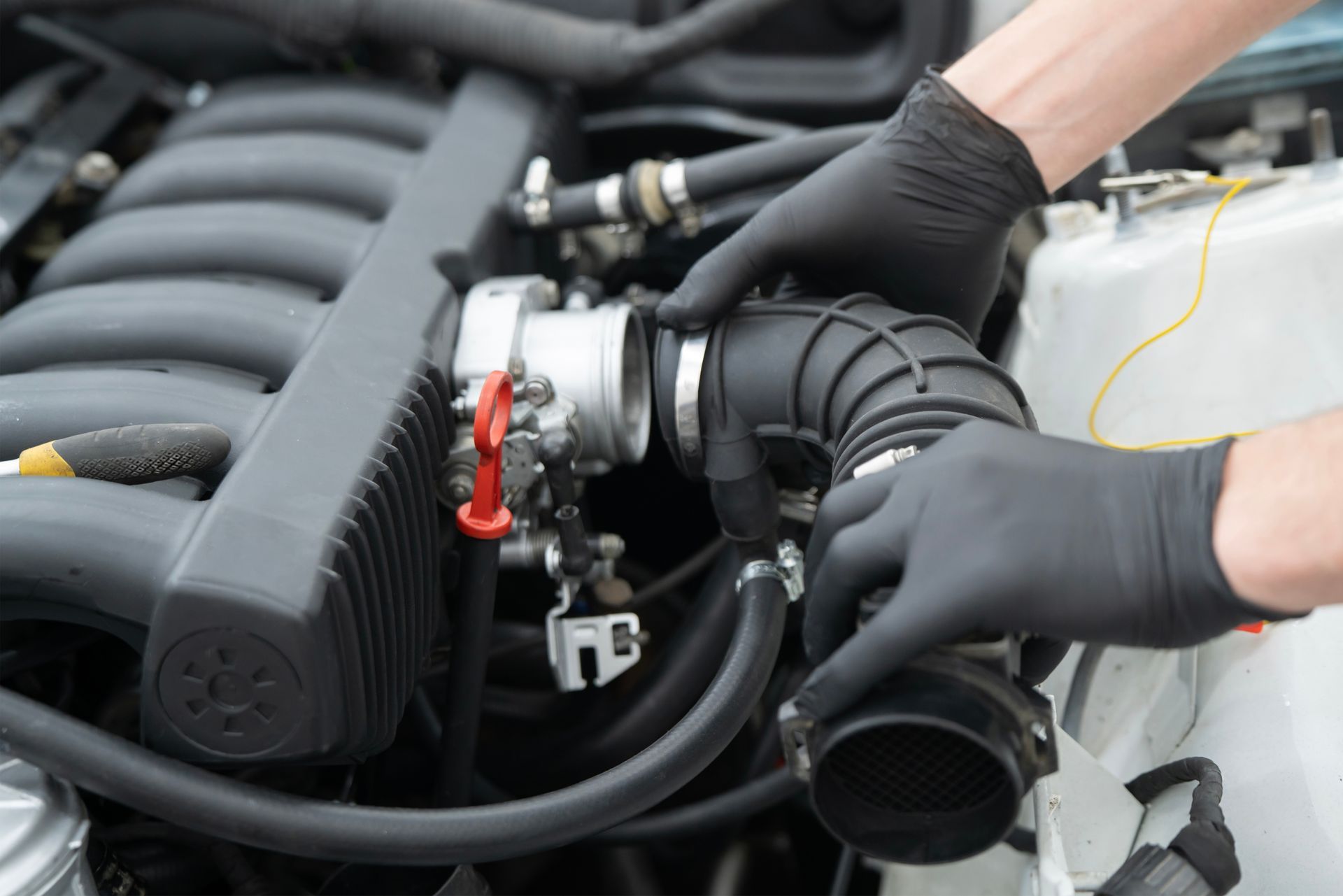
Winter Oil Changes: Why Cold Weather Maintenance Matters for Your Engine

Winter in Heath, Ohio, can bring unpredictable weather—icy winds, snow-packed roads, and temperatures that can dip well below freezing. While it’s common to think about swapping to winter tires or checking your battery before the cold sets in, making sure your oil is changed and your engine is properly lubricated is equally vital. Cold weather puts extra stress on your vehicle’s engine, making the right oil choice and maintenance schedule more important than ever. In this detailed guide, we’ll cover why winter oil changes matter, how cold temperatures affect engine lubrication, and what Jeremiah’s Automotive can do to keep your car running smoothly throughout the season.


Why Winter Oil Changes Matter

Your vehicle’s engine relies on clean, well-formulated oil to minimize friction between its internal components. Over time, engine oil breaks down and accumulates contaminants—like metal shavings, dirt, and moisture—that can hamper performance and lead to costly repairs. During winter, these issues become even more pronounced due to fluctuating temperatures and the additional strain placed on your engine.


Key Benefits of a Winter Oil Change

1. Improved Cold-Start Performance

  • Thick, old, or contaminated oil can make it harder for your engine to turn over on frigid mornings. Fresh, properly formulated oil flows more easily, reducing wear on critical engine components during start-up.

2. Enhanced Fuel Efficiency

  • An engine operating under optimal lubrication uses fuel more efficiently. When oil is old or the wrong viscosity, the engine works harder, increasing fuel consumption.

3. Reduced Wear and Tear

  • Over time, contaminants and degraded oil can accelerate engine wear. By changing your oil before winter hits, you remove these harmful particles, helping your engine last longer.

4. Better Overall Engine Health

  • Regular, timely oil changes—especially during winter—help protect your vehicle’s most vital components, saving you from bigger repair bills down the road.


How Cold Weather Affects Engine Oil

Viscosity—the measure of a fluid’s thickness—plays a huge role in how well oil circulates in your engine, especially in sub-freezing temperatures. Engine oil thickens as temperatures drop, which can hinder its ability to reach all parts of the engine quickly.


Cold Cranking and Engine Stress

When the mercury falls, your engine requires more energy to start. Oil that’s too thick can’t flow efficiently, leading to:

  • Longer Cranking Times: Your battery and starter work harder to overcome the added friction from cold, viscous oil.
  • Higher Friction at Start-Up: Because the oil isn’t flowing as freely, metal parts may grind against each other, causing accelerated wear and tear.


Short Trips and Moisture Buildup

In colder months, many drivers run short errands, meaning the engine might not get hot enough to burn off moisture. Over time, this moisture mixes with oil and forms acids that can corrode metal components.

  • Condensation: Water vapors from the combustion process and air can condense in colder temperatures, accumulating in the oil.
  • Sludge Formation: Excess moisture and byproducts of combustion can create sludge if not addressed, especially if oil changes are neglected.


Choosing the Right Oil for Winter

One of the most common questions drivers have is whether they need a specific type of oil for winter. The short answer is: it depends on your vehicle and driving conditions. Most modern vehicles use multi-grade oils, indicated by a format like 5W-30 or 0W-20. The number before the “W” (which stands for “winter”) indicates the oil’s viscosity at low temperatures, and the number after the dash represents its viscosity at operating temperatures.


Multi-Grade Oil Explained

  • The “W” Rating: A lower number before the “W” (like 0W or 5W) means the oil remains thinner at cold temperatures, aiding quicker lubrication during start-up.
  • Operating Temperature Viscosity: The second number (e.g., 20, 30, or 40) reflects how thick the oil is when your engine is warm.


Synthetic vs. Conventional Oils

  • Synthetic Oil: Offers superior cold-weather performance because it’s engineered to have more consistent viscosity across a wide temperature range. It often provides better protection, reduces engine deposits, and can last longer than conventional oil.
  • Conventional Oil: While generally cheaper, it may not perform as well in extreme cold or under high-stress conditions. Conventional oil also breaks down faster and may require more frequent changes.


Check Your Owner’s Manual

Your vehicle’s manufacturer often provides guidelines on which oil grades are recommended for various climates. Always follow these recommendations, or consult with a trusted mechanic—like those at Jeremiah’s Automotive—to make sure you’re using the optimal oil for Heath, Ohio’s winter conditions.


Frequency of Oil Changes in Winter

The conventional wisdom used to be every 3,000 miles or three months, but modern vehicles and oils can often go longer—some up to 5,000, 7,500, or even 10,000 miles between changes. However, winter driving conditions can be more severe, with frequent cold starts, short trips, and potential idling when warming up the car.


Signs You Need an Oil Change

  1. Dashboard Oil Light: Always heed warning lights on your dashboard.
  2. Dark or Dirty Oil: Fresh oil has an amber color. As it collects contaminants, it darkens.
  3. Strange Engine Noises: Unusual ticking, grinding, or knocking can indicate inadequate lubrication.
  4. Mileage or Time Intervals: If you’ve reached the manufacturer’s recommended oil change interval, don’t delay—especially in winter.


Severe Driving Conditions

In colder climates like Heath, you may be considered a “severe driver” if you:

  • Make frequent short trips.
  • Drive in stop-and-go traffic.
  • Tow heavy loads or carry significant cargo.
  • Experience extended idle times.

If you fit these criteria, it’s wise to err on the side of more frequent oil changes to ensure your engine’s longevity.


The Oil Change Process at Jeremiah’s Automotive

At Jeremiah’s Automotive in Heath, Ohio, we take a comprehensive approach to oil changes, ensuring your vehicle is thoroughly inspected and treated with care—especially crucial during winter months.


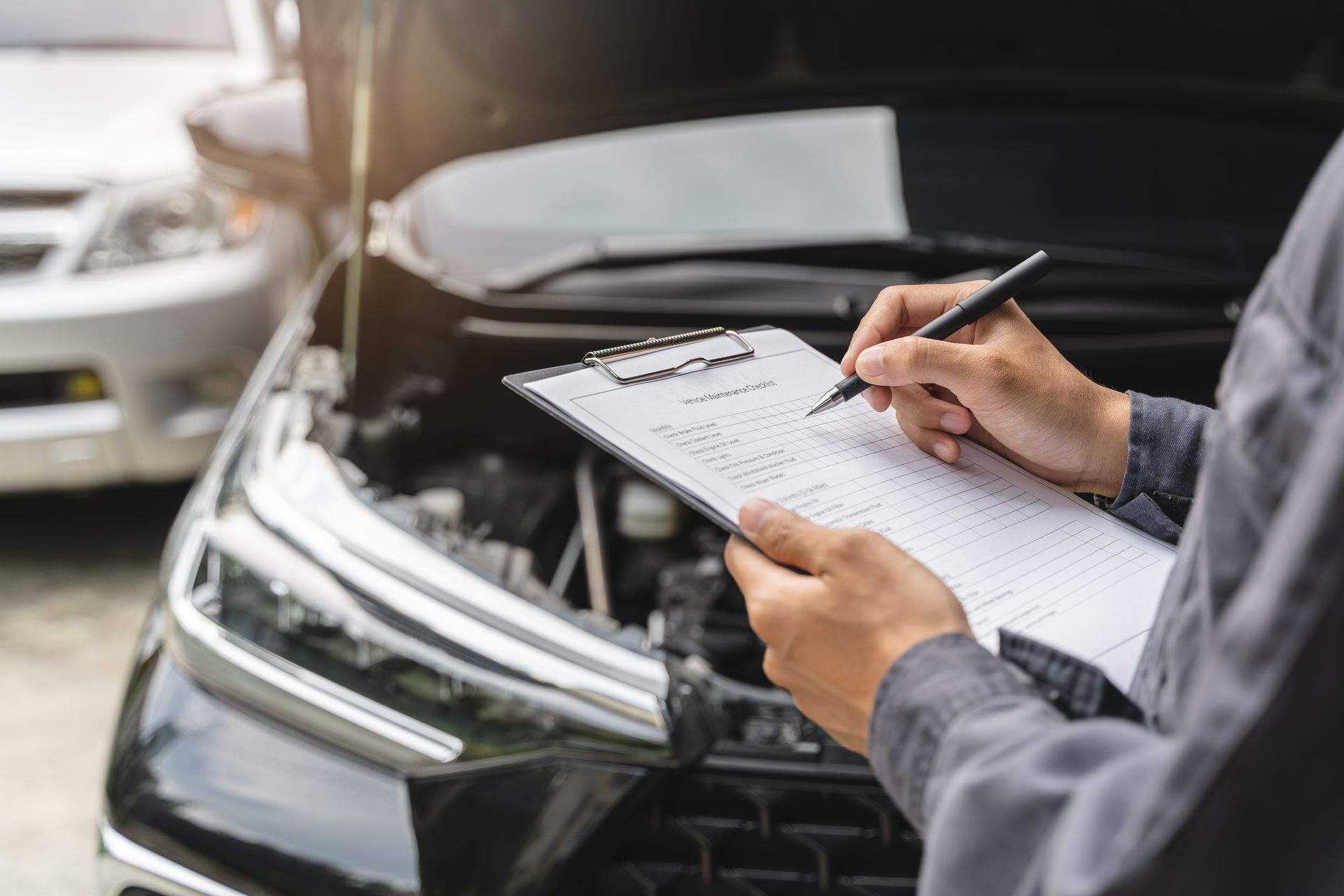
1. Vehicle Inspection

Before we even get to changing the oil, our technicians perform a quick inspection:

  • Fluid Levels: We’ll check coolant, brake fluid, windshield washer fluid, and power steering fluid to ensure everything is topped off.
  • Battery Health: Since cold weather can drain batteries faster, we’ll take a look at yours to make sure it’s winter-ready.
  • Belts and Hoses: Freezing temperatures can cause rubber components to crack or become brittle.


2. Draining the Old Oil

Once we confirm the need for an oil change, we’ll lift your vehicle safely and drain the old oil from the engine. This step removes contaminants and sludge that have built up over time.


3. Replacing the Oil Filter

The oil filter is integral to trapping particles and preventing them from circulating through the engine. A dirty or clogged filter negates the benefits of fresh oil, so we always install a new one.


4. Refilling with the Right Oil

We consider your manufacturer’s recommendations, your vehicle’s age, your driving habits, and the winter climate in Heath, Ohio, to select the optimal oil viscosity for you. This could be a synthetic blend, full synthetic, or a high-quality conventional oil.


5. Final Check-Up

After refilling the oil, we run the engine to ensure everything is functioning correctly. We then inspect the vehicle one more time for any leaks or issues, topping off other fluids as needed.


Additional Winter Maintenance Tips

Changing your oil is just one part of comprehensive winter car care. For maximum protection and performance, consider these additional steps:


1. Check Tire Pressure and Tread

  • Cold weather can cause tire pressure to drop, and adequate tread depth is essential for traction on icy roads.

2. Inspect Windshield Wipers

  • Damaged or old wiper blades are dangerous during snowstorms. Consider installing winter wiper blades for optimal visibility.

3. Test Your Battery

  • Freezing temperatures can reduce a battery’s capacity significantly. A quick test can prevent unexpected breakdowns.

4. Use the Right Coolant Mixture

  • Inadequate antifreeze levels can lead to engine freeze-ups in sub-zero temperatures.

5. Keep an Emergency Kit

  • Include items like a flashlight, jumper cables, blankets, a small shovel, and traction aids (like kitty litter or sand) in case you get stuck.


Common Myths About Winter Oil Changes

Despite the clear benefits, many myths persist about oil changes and cold weather. Let’s set the record straight on a few of them:


1. “I Can Just Warm Up My Engine Longer Instead of Changing the Oil.”

  • Reality: Idling your car for extended periods doesn’t magically refresh the oil. If the oil is old or degraded, idling only circulates dirty oil, adding wear to engine components.


2. “Synthetic Oil Is a Waste of Money.”

  • Reality: Synthetic oil costs more upfront but can offer better cold-weather performance and longer intervals between changes—often saving money in the long run.


3. “Any Oil Will Do for Winter.”

  • Reality: Different oils have different viscosity ratings and chemical compositions. The wrong oil can thicken excessively in the cold, leading to poor lubrication and possible engine damage.


4. “I Don’t Need a Full Oil Change; Topping Off Is Enough.”

  • Reality: Adding fresh oil to old, contaminated oil dilutes the benefits. Topping off isn’t a substitute for a proper oil change that removes accumulated sludge and contaminants.


How Jeremiah’s Automotive in Heath, Ohio, Helps You Stay Winter-Ready

At Jeremiah’s Automotive, we pride ourselves on delivering thorough, dependable service tailored to the specific challenges of winter driving in Heath, Ohio. Our experienced team understands the unique wear and tear cold weather inflicts on vehicles, and we’ve structured our services to address those needs head-on.


Quality Products

We use high-quality oils and filters compatible with a range of vehicle makes and models, including European imports, domestic brands, and everything in between. If synthetic or synthetic-blend oils are recommended for your vehicle, we source reputable brands to ensure consistent, reliable performance.


Skilled Technicians

Our certified technicians stay up-to-date on the latest auto maintenance trends and manufacturer guidelines. Whether you drive a late-model sedan or a high-mileage SUV, we approach each oil change with the same level of diligence and care.


Winter Inspection Bundle

Ask about our winter inspection package, which includes:

  • Oil change and filter replacement.
  • Battery test and inspection.
  • Tire pressure and tread depth check.
  • Coolant strength and level assessment.
  • Belt and hose inspection.
  • Wiper blade and washer fluid top-off.


This comprehensive approach helps you tackle the season with confidence, knowing your vehicle has been checked from top to bottom.


Customer-Focused Experience

We understand that auto maintenance can sometimes feel overwhelming. Our friendly staff takes the time to walk you through each service recommendation and answer any questions you have. With transparent pricing and honest advice, you’ll never feel pressured or left in the dark.


Frequently Asked Questions (FAQs)


1. Can I switch to a lower-viscosity oil for winter and then switch back in summer?

  • Yes, but most modern multi-grade oils already account for seasonal temperature changes. Consult your owner’s manual or ask our technicians if a seasonal switch is necessary or beneficial for your specific vehicle.

2. How do I know if I should choose synthetic oil?

  • If you drive in extremely cold conditions or often take short trips that prevent the engine from reaching operating temperature, synthetic may offer better protection. Our team can help you make an informed decision.

3. Do I need to change the oil filter every time?

  • Absolutely. The oil filter traps contaminants; if it’s clogged or dirty, it can’t do its job effectively, negating many of the benefits of fresh oil.

4. What if I drive fewer miles—do I still need regular oil changes?

  • Yes. Even if your mileage is low, oil can degrade over time, and moisture can accumulate. Follow a time-based schedule—such as every six months—if you don’t hit the mileage threshold.

5. What happens if I delay my oil change?

  • Delaying can lead to increased engine wear, reduced performance, and potentially costly repairs down the line. In winter, these risks become more pronounced as cold starts strain the engine further.


Schedule Your Winter Oil Change at Jeremiah’s Automotive

Don’t wait until your engine starts protesting on a frosty morning. Whether you’re gearing up for holiday travel or just daily commutes, a winter oil change is one of the most effective ways to protect your vehicle from the harsh effects of cold weather. At Jeremiah’s Automotive in Heath, Ohio, we’re here to keep your car running smoothly and safely all season long.

  • Contact Us:
  • Phone: 740-788-9222
  • Website: Jeremiah’s Automotive
  • Location: Heath, Ohio
  • Hours of Operation:
  • Monday to Friday: 8:00 AM – 5:00 PM
  • Saturday & Sunday: Closed (Call if you need a special appointment time)


Final Thoughts

From making cold starts easier to ensuring better fuel efficiency, winter oil changes are a crucial part of seasonal vehicle maintenance. By choosing the right oil viscosity and following a timely service schedule, you’ll help your engine endure the demands of Heath, Ohio’s colder months. At Jeremiah’s Automotive, we believe in a proactive approach—so don’t wait until a warning light comes on or your engine struggles on a subzero morning. Schedule your next oil change today and keep your vehicle protected against winter’s harshest conditions. Drive safe, stay warm, and let us take the worry out of winter car care so you can focus on what matters most—getting where you need to go without any unexpected hitches.
April 2, 2026
If you find yourself adding oil more frequently than before while driving in Heath, Ohio, it may be a sign that your vehicle is using more oil than expected. While some oil consumption can be normal, noticeable changes can indicate that something within your engine is not functioning as it should.  One possible cause is engine wear. Over time, internal components can wear down, which can affect how oil is used within the engine. This can lead to increased oil consumption. Oil leaks are another factor to consider. If oil is escaping from the engine, it can reduce the overall level and require more frequent additions. Leaks may not always be immediately visible, which is why they can go unnoticed. Burning oil is another possibility. If oil is entering the combustion chamber, it can be burned along with fuel. This may not always produce noticeable symptoms, but it can lead to increased oil usage over time. Drivers in Heath and Newark may notice changes in oil levels during regular checks or between services. Keeping an eye on oil levels can help identify changes early. If you notice that your vehicle is using more oil than usual, having it inspected can help determine the cause. Jeremiah’s Automotive provides inspections to help drivers understand what may be contributing to increased oil consumption.
April 2, 2026
If you notice unusual smells while driving your car in Heath, Ohio, it is often a sign that something is not functioning as it should. While some smells may seem minor at first, they can indicate underlying issues that may need attention. Understanding what these smells might mean can help you recognize when your vehicle should be inspected.  One of the most common smells drivers notice is a burning odor. This can be caused by a variety of factors, including overheating components or fluids coming into contact with hot surfaces. A burning smell may also be related to worn belts or other components that are experiencing friction. A sweet smell is often associated with coolant. If you notice this type of odor, it may indicate a coolant leak. Coolant plays an important role in regulating engine temperature, and leaks can lead to overheating if not addressed. A strong fuel smell is another concern. If you smell gasoline while driving or after starting your vehicle, it could indicate a problem within the fuel system. This is something that should be checked to determine the source. Musty or moldy smells can come from the air conditioning system. Moisture buildup within the system can lead to odors that become noticeable when the air is turned on. Drivers in Heath and Newark may also notice smells related to the exhaust system. While some exhaust odor is normal, strong or unusual smells may indicate an issue that should be inspected. Unusual smells are often one of the first signs that something is changing within your vehicle. Paying attention to these changes can help you recognize when your vehicle may need attention. Jeremiah’s Automotive provides inspections to help identify the source of unusual smells so drivers can better understand what is happening with their vehicle
April 1, 2026
If your vehicle no longer feels as responsive as it used to while driving in Heath or Newark, it can make everyday driving less enjoyable. A sluggish vehicle may feel slow to accelerate, less responsive, or generally underpowered. While this can develop gradually over time, it often points to underlying issues that may need attention.  One of the most common causes of reduced performance is engine efficiency. As components wear or systems become less effective, your engine may not produce the same level of power. This can make acceleration feel slower and overall performance less consistent. Fuel delivery can also impact performance. If fuel is not reaching the engine properly, it can affect how the vehicle responds when you press the gas pedal. This can create a noticeable difference in how your car drives. Air intake issues can also contribute to sluggishness. A restricted air supply can affect combustion, which in turn impacts performance. This is something that can develop over time and may not be immediately noticeable. Exhaust system restrictions can also play a role. If exhaust gases are not able to flow properly, it can affect engine performance and lead to reduced responsiveness. Drivers in Heath and Newark may notice these changes more during certain driving conditions, such as when accelerating onto highways or climbing hills. While it may seem like a gradual change, it is often worth having your vehicle inspected. Jeremiah’s Automotive provides inspections to help identify factors that may be affecting your vehicle’s performance.
March 31, 2026
When you press the gas pedal, you expect your car to respond smoothly and consistently. If your vehicle hesitates, stutters, or feels delayed when accelerating, it can be both frustrating and concerning. Drivers in Heath and Newark rely on their vehicles for merging onto highways, navigating traffic, and daily commuting, so hesitation during acceleration is something that should not be overlooked.  One of the most common causes of hesitation is related to the fuel system. Your engine requires a precise mixture of fuel and air to operate efficiently. If fuel delivery is inconsistent due to clogged injectors, a failing fuel pump, or a restricted fuel filter, it can lead to hesitation when you try to accelerate. This often feels like a delay between pressing the gas pedal and the vehicle responding. Air intake issues can also play a role. Your engine needs a steady supply of clean air to function properly. If the air filter is clogged or there are issues within the intake system, it can disrupt the balance needed for efficient combustion. This imbalance can cause hesitation or uneven acceleration. Sensor-related problems are another factor to consider. Modern vehicles rely on sensors to monitor and adjust engine performance. If a sensor is not providing accurate information, it can affect how the engine responds. This can lead to hesitation, reduced power, or inconsistent performance. Ignition system components can also contribute to hesitation. Spark plugs and ignition coils are responsible for igniting the fuel-air mixture in the engine. If these components are worn or not functioning properly, it can result in incomplete combustion, which may feel like hesitation during acceleration. Transmission performance can also impact how your vehicle accelerates. If the transmission is not shifting smoothly or responding as expected, it can create a delayed or uneven acceleration experience. Drivers in Heath and Newark may notice hesitation more in certain situations, such as when merging onto highways or accelerating from a stop. While it might seem like a minor inconvenience at first, it can affect your driving experience and may indicate an underlying issue. Addressing hesitation early can help prevent further complications. Having your vehicle inspected allows you to identify the cause and understand what steps should be taken next. Jeremiah’s Automotive provides diagnostic services to help drivers determine why their vehicle is hesitating and how to address the issue.
March 30, 2026
If you are driving around Heath, Ohio or heading through Newark and suddenly hear a grinding noise coming from your vehicle, it is not something to ignore. Grinding sounds are one of the clearest indicators that something is wearing down or already damaged. Unlike some minor noises that come and go, grinding typically points to metal components making contact where they should not be, which can lead to further wear if not addressed.  One of the most common causes of grinding is related to your brakes. Brake pads are designed to wear down over time, and when they become too thin, the metal backing can begin to make contact with the rotors. This is what creates that harsh grinding sound when you press the brake pedal. Many brake pads are designed with indicators that create noise before this point, but if those early signs are missed, grinding is often the next stage. Once this happens, it is not just about replacing brake pads anymore, as the rotors may also need attention. Grinding noises are not limited to braking. You may also hear grinding when shifting gears or while the vehicle is in motion. In these cases, it could be related to the transmission. Transmission components rely on smooth engagement to shift gears properly, and when there is wear or lack of lubrication, grinding can occur. This type of issue can feel different than brake-related grinding and may be accompanied by hesitation or difficulty shifting. Wheel bearings can also be a source of grinding sounds. These components allow your wheels to rotate smoothly, and when they begin to wear out, they can produce a grinding or growling noise. This sound often becomes more noticeable as you increase speed and may change depending on how you turn the steering wheel. Another area to consider is the drivetrain. Components such as axles and joints can wear over time, especially with regular use and varying road conditions. When these parts begin to fail, they can produce grinding or clicking noises that become more noticeable during acceleration or turning. Drivers in Heath and Newark may also encounter debris-related grinding. Sometimes small rocks or debris can become lodged between components, such as between the brake rotor and backing plate. While this may not indicate long-term damage, it can still create a grinding sound that should be checked. The key takeaway is that grinding noises are rarely something that resolves on their own. In most cases, they indicate wear that will continue to progress if left unaddressed. What might start as a repair involving one component can expand to involve additional parts if the issue is not handled early. For drivers in Heath, Ohio, recognizing grinding noises as a sign that something needs attention can help avoid further complications. Having your vehicle inspected allows you to understand the source of the noise and determine what steps should be taken next. Jeremiah’s Automotive provides inspections for drivers experiencing grinding noises so the cause can be identified and addressed appropriately.
March 30, 2026
Your suspension system plays a key role in how your vehicle handles and how comfortable your ride feels. Drivers in Heath, Ohio often encounter varying road conditions, and over time, suspension components can wear down. Recognizing when your suspension may need attention can help maintain stability and control.  One sign to watch for is a rough or bouncy ride. If your vehicle does not absorb bumps as smoothly as it used to, it could indicate that shocks or struts are wearing out. This can make driving less comfortable and affect handling. Another sign is uneven tire wear. Suspension issues can cause your tires to wear unevenly, which can impact performance and require earlier replacement. If your vehicle dips forward when braking or leans excessively when turning, it may point to suspension wear. These changes in handling can affect how your vehicle responds during everyday driving. Noises such as clunking or knocking when driving over bumps can also indicate suspension issues. These sounds often suggest that components are loose or worn. Drivers in Heath and Newark may notice these signs gradually, which can make them easy to overlook at first. Over time, however, they can become more noticeable. Having your suspension checked can help identify any worn components and ensure your vehicle continues to handle as it should. Jeremiah’s Automotive provides inspections to help drivers understand the condition of their suspension system.
March 27, 2026
If you have noticed that you are filling up your gas tank more often than usual while driving around Heath or Newark, it may be a sign that your vehicle is not operating as efficiently as it should. Fuel efficiency can change over time due to a variety of factors, and while some changes are gradual, others can become noticeable more quickly.  One common cause of reduced fuel efficiency is engine performance issues. When your engine is not running as efficiently as it should, it may use more fuel to produce the same level of performance. This can be related to sensors, fuel delivery, or air intake systems. Tire pressure also plays a role in fuel efficiency. Underinflated tires create more resistance as they roll, which can cause your vehicle to use more fuel. Drivers in Ohio may experience fluctuations in tire pressure due to temperature changes, which can impact efficiency. Driving habits can also influence fuel consumption. Frequent stops, rapid acceleration, and short trips can all contribute to lower fuel efficiency. While some of these factors are part of daily driving, they can still impact how often you need to refuel. Clogged filters can also affect performance. Air filters and fuel filters help regulate the flow of air and fuel into your engine. When they become restricted, it can impact how efficiently your engine operates. Vehicle weight is another factor. Carrying additional weight in your vehicle can increase fuel consumption, especially over time. If you notice a consistent drop in fuel efficiency, it may be worth having your vehicle inspected. For drivers in Heath and Newark, Jeremiah’s Automotive can help identify potential causes and provide insight into your vehicle’s performance.
March 27, 2026
Living in Heath, Ohio means experiencing a wide range of weather conditions throughout the year. From cold winters and snow to warm summers and humidity, these changes can have a noticeable impact on your vehicle’s performance. While your car is designed to handle different environments, the combination of temperature changes, road conditions, and seasonal factors can contribute to wear over time.  Cold weather is one of the most noticeable factors. Low temperatures can affect your battery’s ability to produce power, which is why many drivers experience starting issues during winter months. Fluids can also thicken in colder conditions, which can impact how smoothly your engine operates when starting up. Road salt is another factor that drivers in Heath and Newark encounter during winter. While it helps improve traction on icy roads, it can also contribute to corrosion over time. Components underneath your vehicle can be affected, especially if salt buildup is not addressed. As temperatures rise, different challenges emerge. Heat can impact your cooling system, making it important for components like the radiator and coolant to function properly. Long drives during warmer months can place additional stress on your vehicle, especially if it is not regularly maintained. Humidity can also play a role, particularly when it comes to electrical components and air conditioning systems. Moisture can affect certain parts over time, leading to performance changes. Seasonal transitions are another time when drivers may notice changes. Moving from cold to warm weather or vice versa can reveal issues that were not noticeable before. For example, a battery that struggled during winter may perform differently in warmer temperatures. Understanding how weather impacts your vehicle can help you stay aware of potential changes in performance. For drivers in Heath and Newark, having your vehicle inspected as seasons change can help identify any concerns. Jeremiah’s Automotive provides services that allow drivers to keep their vehicles operating as conditions change throughout the year.
March 26, 2026
If you find yourself constantly adjusting the steering wheel to keep your car straight while driving in Heath or Newark, it is a sign that something is not quite right. A vehicle should track straight without needing constant correction, and when it starts pulling to one side, it can make driving more difficult and less predictable.  One of the most common reasons for this issue is wheel alignment. Over time, normal driving conditions can cause your wheels to shift out of alignment. This can happen gradually or after hitting potholes, curbs, or uneven road surfaces. When your wheels are not aligned properly, it affects how your tires make contact with the road, which can cause your vehicle to pull in one direction. Tire pressure can also play a role. If one tire has significantly lower pressure than the others, it can cause uneven rolling resistance, which may lead to pulling. This is something drivers in Ohio may notice more frequently due to temperature changes that affect tire pressure. Brake issues can also cause pulling, particularly if one side of the braking system is not functioning as it should. For example, if a brake caliper is sticking, it can cause uneven braking force, which may result in the vehicle pulling when you slow down. Suspension problems are another factor to consider. Components within the suspension system help maintain stability and control. If these components become worn or damaged, it can affect how your vehicle handles and lead to pulling. Road conditions can sometimes contribute to the feeling of pulling, especially on roads with a natural slope for drainage. However, if the issue is consistent across different roads and driving conditions, it is likely related to your vehicle rather than the road itself. Ignoring this issue can lead to uneven tire wear and reduced handling performance over time. Addressing it early can help maintain a smoother and more controlled driving experience. Drivers in Heath and Newark can have their vehicle inspected at Jeremiah’s Automotive to determine the cause of pulling and understand what steps should be taken next.
March 25, 2026
If you have ever been driving through Heath, Ohio or heading toward Newark and noticed your car starting to shake, it can be both frustrating and concerning. A smooth driving experience is something most drivers expect, so when vibrations or shaking begin, it is usually a sign that something is not functioning the way it should. While some causes are relatively minor, others can point to issues that need attention sooner rather than later.  One of the most common reasons a vehicle shakes is tire-related problems. Tires that are unbalanced can cause noticeable vibrations, especially at higher speeds. This often feels like a steady shaking in the steering wheel or throughout the vehicle once you reach a certain speed range. Over time, tires naturally wear down, and even slight imbalances can become more noticeable. Road conditions in Heath and surrounding areas, including potholes or uneven pavement, can also contribute to tire issues. Alignment problems are another factor that can lead to shaking. When your wheels are not aligned properly, it affects how your vehicle tracks on the road. This can cause uneven tire wear, which then leads to vibrations while driving. Many drivers do not notice alignment issues right away, but over time the effects become more obvious, especially when driving at highway speeds or when letting go of the steering wheel briefly to see how the car tracks. Brake-related issues can also cause shaking, particularly when slowing down. If you feel vibration when pressing the brake pedal, it is often a sign that the brake rotors may be worn or warped. This can develop over time due to heat and normal wear. Drivers in Heath and Newark who deal with stop and go traffic may notice this more frequently. Suspension components can also contribute to shaking. Parts like shocks, struts, and other suspension elements help keep your vehicle stable and absorb impact from the road. As these components wear down, they may not perform as effectively, which can lead to a rougher driving experience and noticeable vibrations. Another potential cause is engine-related issues. If the shaking occurs while your vehicle is idling or accelerating rather than at a consistent speed, it may point to engine performance concerns. This could involve spark plugs, fuel delivery, or other components that affect how smoothly your engine runs. It is also important to consider wheel damage. Bent wheels can occur from hitting potholes or curbs, and even slight damage can lead to noticeable shaking. Because this damage is not always visible at a glance, it often requires inspection to confirm. Ignoring shaking while driving can lead to additional wear on your vehicle and may impact safety over time. What starts as a small vibration can develop into a larger issue if the underlying cause is not addressed. For drivers in Heath and Newark, having your vehicle inspected when you notice shaking can help identify the source of the problem. Jeremiah’s Automotive provides inspections to determine what is causing the issue so it can be properly addressed.